
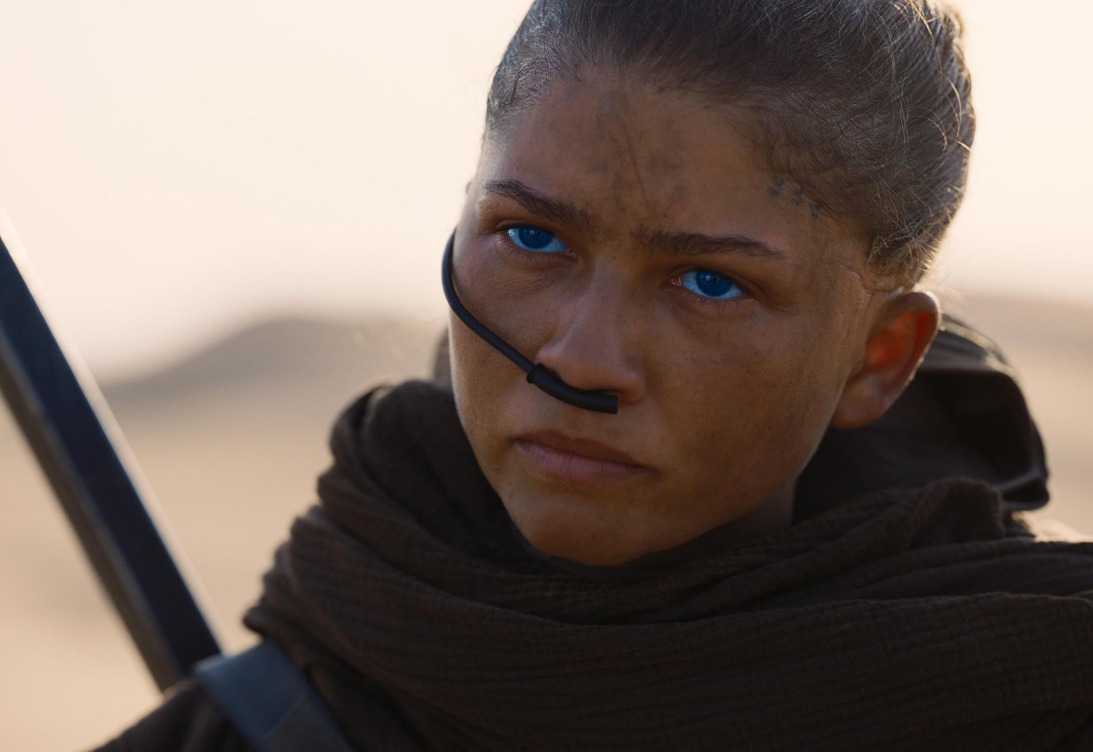
Dune 3 has a difficult job ahead. It must follow two films that turned Frank Herbert’s huge science-fiction world into a major cinema event, while adapting a sequel that has never been as universally loved as the original novel.
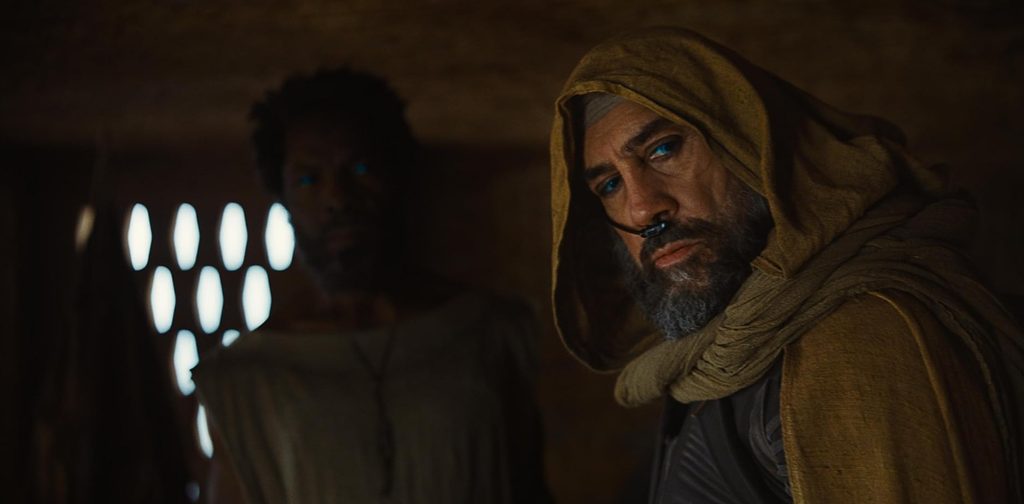
The film is based on Dune Messiah, Herbert’s 1969 follow-up to Dune. The first book follows Paul Atreides as he escapes the destruction of his family, joins the Fremen and rises to power on the desert planet Arrakis. It gives audiences the shape of a classic hero story. Dune Messiah asks what happens after that hero wins.
The answer is uncomfortable. Paul has become Emperor, and his name is tied to a religious movement that has spread across the universe. His rise has brought war and mass death. Instead of celebrating his victory, the sequel examines the cost of his power and the danger of treating one person as a saviour.
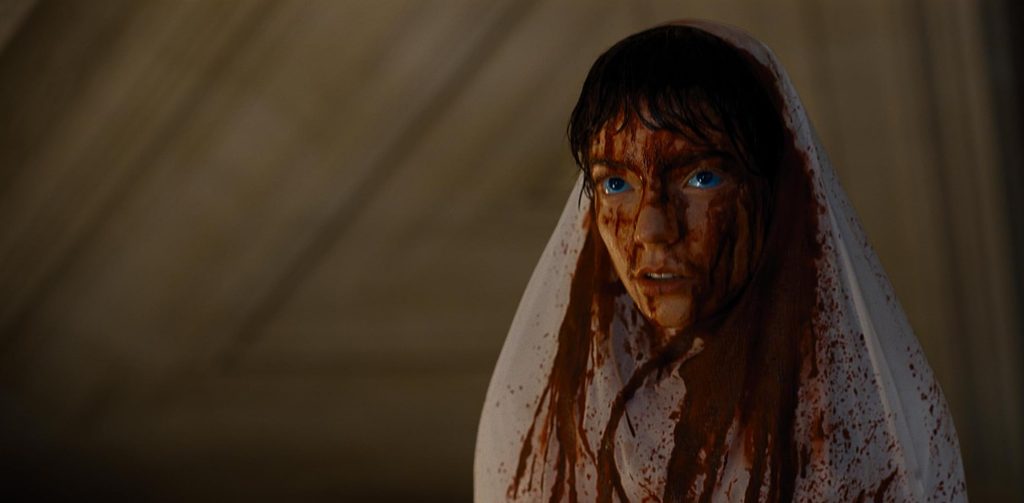
That change in direction is a major reason Dune Messiah divides readers. Frank Herbert did not want Paul to remain a simple heroic figure. He wanted readers to question the myths, political movements and religious forces that grow around powerful leaders. Some fans welcomed that darker direction. Others wanted more of the adventure and triumph they found in the first book.
The book also moves differently. It is shorter, more political and more focused on conversations, schemes and questions about the future. Huge battles and long desert journeys take a smaller role. That can make Dune Messiah fascinating on the page, but it creates a difficult task for a filmmaker working with giant screens and audience expectations.
The history of its reception is mixed, not a simple story of universal rejection. The novel was widely panned by some critics when it appeared, and Herbert’s son later wrote that it had not been favourably received by reviewers. Yet other science-fiction writers and reviewers praised its ideas and scale. Its reputation has also grown among readers who enjoy how it changes the meaning of the first book.
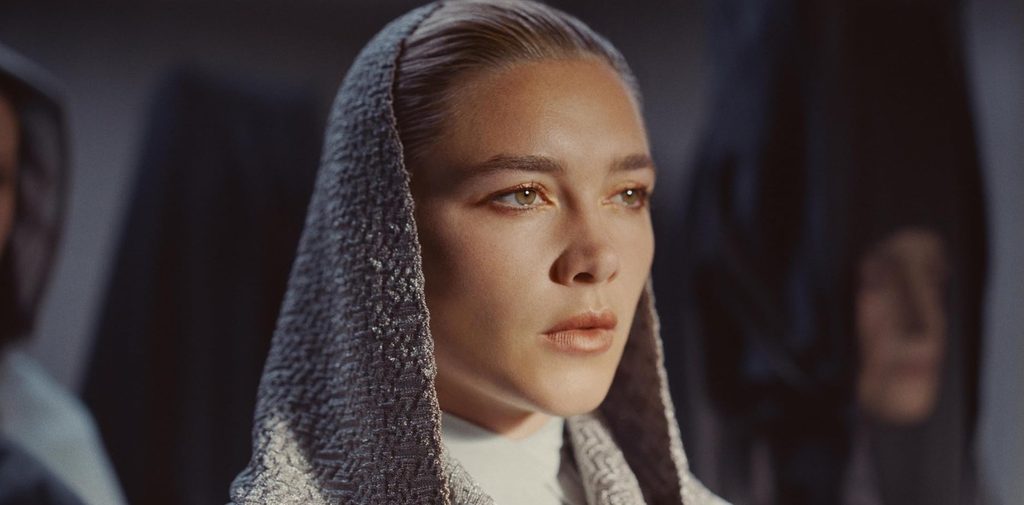
Herbert’s approach also asks readers to look back at the first novel differently. Events that once seemed like proof of Paul’s greatness begin to look like warnings about unchecked power. That reversal is the heart of the sequel.
Denis Villeneuve has already shown that he is willing to reshape the material. His first two Dune films focus on the original novel, splitting its story across two movies. Dune 3 moves forward by nearly two decades and places Paul in the position of an Emperor facing the consequences of his rule. Timothée Chalamet returns, with Zendaya, Jason Momoa, Florence Pugh and other cast members.
This is where expectations could become a problem. People who want another grand victory story may find the next chapter colder and stranger. Viewers who enjoy political thrillers and moral questions may find it more compelling than another desert battle.
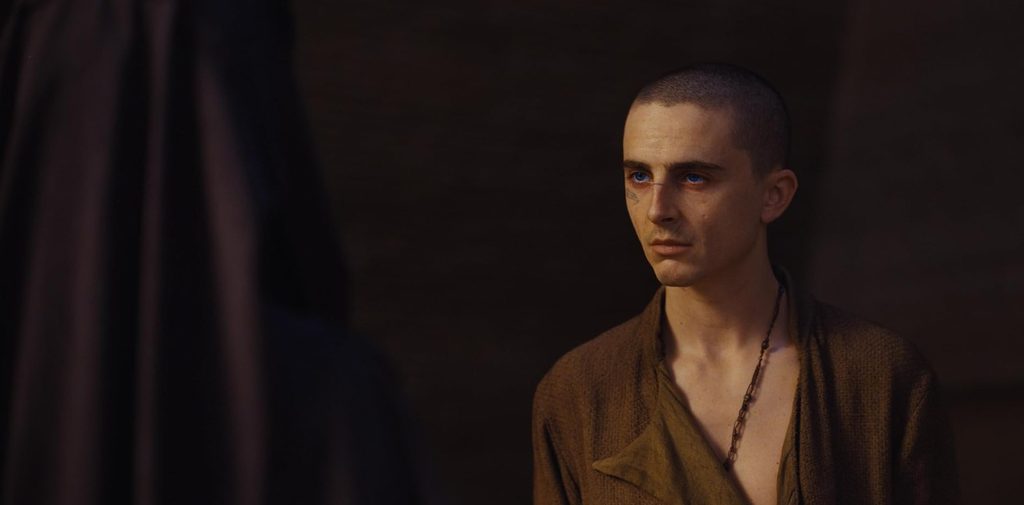
A book’s old reviews do not decide a film’s future. The real test is whether the adaptation makes Paul’s fall from idealised hero to troubled ruler feel clear, human and dramatic. Dune Messiah gives Villeneuve less familiar spectacle and more difficult ideas. That may be the film’s biggest risk, but it could also become its strongest feature.
Also Read: Project Hail Mary Enters the Golden Globes Comedy Race