
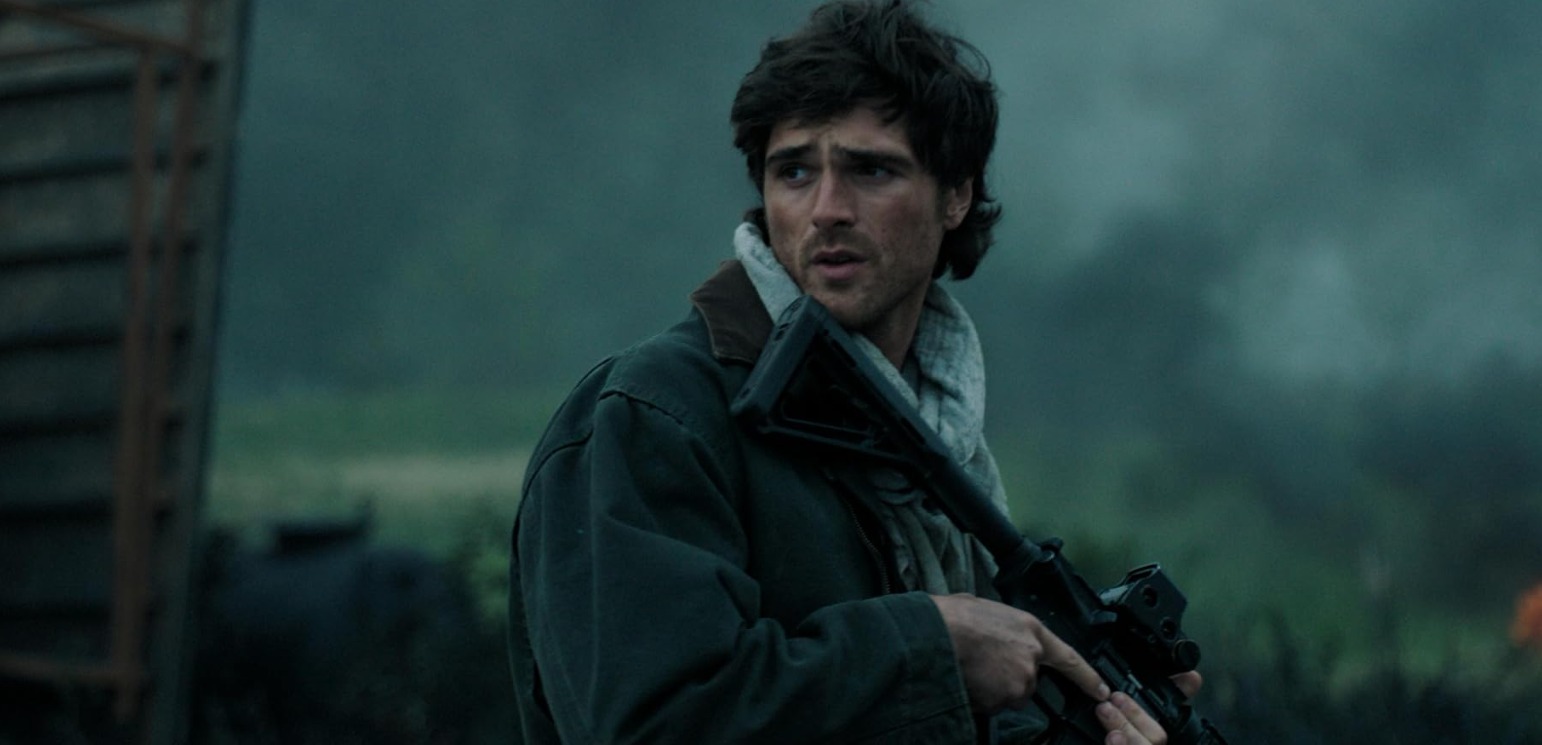
Most post-apocalyptic films seem to follow the same rule: society collapses, survivors find shelter, and someone inevitably arrives with a gang, a weapon or a reason to ruin everyone’s day. Station Eleven offers a different kind of story. The HBO miniseries imagines what happens after a deadly pandemic when people try to rebuild ordinary life, preserve culture and find reasons to cooperate instead of spending every episode fighting over canned food.
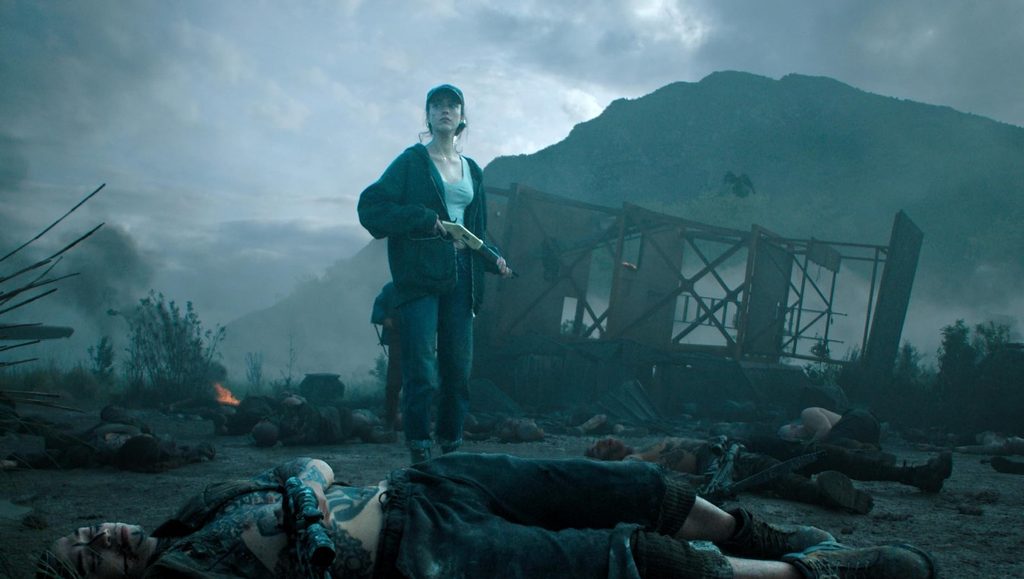
Based on Emily St. John Mandel’s 2014 novel, Station Eleven follows several people whose lives connect before and after a flu pandemic wipes out most of the world’s population. The story jumps across timelines, showing the early days of the outbreak and a future twenty years later. In that later period, a traveling group of actors and musicians called the Traveling Symphony moves between settlements, performing Shakespeare for communities that have lost much of the world they once knew.
The series is not pretending that rebuilding is easy. There are dangerous groups, conflicts over leadership and people who use fear to control others. The difference is that violence is not the only subject. The Traveling Symphony brings plays, music and shared experiences to places where people are trying to establish a new normal. It asks whether art is still useful when survival is difficult, and whether culture can help people remember what they are rebuilding for.
That makes Station Eleven a strong choice for viewers who want a post-apocalyptic story about cooperation. Mackenzie Davis plays Kirsten, an actor who travels with the troupe, while Himesh Patel plays Jeevan, a man whose connection to a young child shapes his experience of the outbreak. Matilda Lawler appears as young Kirsten, and Gael García Bernal plays the conductor who leads the Traveling Symphony. The performances give the series a personal center, even as its story moves between different people and decades.
There are other works that explore similar ideas from different angles. Ridley Scott’s The Dog Stars, based on Peter Heller’s novel, follows a pilot named Hig and a military survivalist named Bangley, who have built an isolated homestead after a pandemic. A mysterious radio transmission pushes Hig to search for other survivors, making human connection the central question rather than another battle for territory. The film stars Jacob Elordi and Josh Brolin, and it was released by 20th Century Studios in August 2026.
For a more science-focused take, the anime Dr. Stone turns nearly all humanity to stone, then follows a young scientist trying to rebuild technology from the ground up. Its interest in electricity, medicine and practical knowledge makes it a different kind of survival story. The series can be overly eager to explain every invention, but at least its heroes are busy making antibiotics rather than defending a warehouse from another gang.
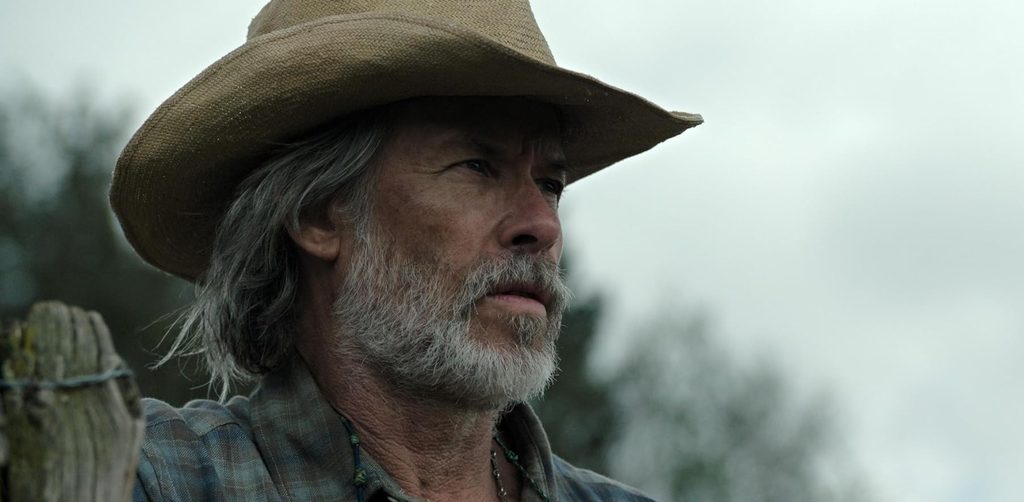
Station Eleven remains the most thoughtful recommendation because it treats rebuilding as more than finding food and shelter. It asks what kind of society people want to create once the old one disappears. The answer is not perfect, and the show does not pretend that everyone will agree. But its central idea is refreshing: after the end of the world, people may still choose to make something together.
Also Read: Patrick Stewart Dies at 86 After Picard and Xavier