

Aaron Sorkin’s back with a sequel that nobody asked for but everyone needs.
You know that feeling when someone announces a sequel to a movie you forgot existed? That’s what hit me when The Social Reckoning got its official release date. October 9, 2026 feels both too far away and somehow not far enough to process what Aaron Sorkin’s cooking up this time.

Look, I get it. The original Social Network was lightning in a bottle back in 2010. But here we are, 16 years later, and The Social Reckoning promises to dive into Facebook’s messiest decade. And honestly, after everything that’s happened with social media since then, maybe we actually need this movie.
Cast Shake-Up
Jeremy Strong replacing Jesse Eisenberg as Mark Zuckerberg feels like casting whiplash. Strong’s method acting approach means we’re getting a completely different Zuckerberg – one who’s been through congressional hearings, privacy scandals, and the whole metaverse disaster.
Mikey Madison plays Frances Haugen, the Facebook whistleblower who basically lit the company on fire with her 2021 revelations. If you don’t remember, she leaked internal documents showing Facebook knew Instagram was destroying teenage mental health and chose profit over safety anyway.
Jeremy Allen White joins as Wall Street Journal reporter Jeff Horwitz. His investigative series “The Facebook Files” exposed how the platform spread misinformation that led to real-world violence. The Social Reckoning cast feels less like movie stars and more like a courtroom drama waiting to happen.
Real Story Behind Facebook’s Downfall
Remember when Facebook was just about poking your friends and sharing terrible photos? The Social Reckoning focuses on the period when everything went wrong. Between 2016 and 2021, Facebook faced Cambridge Analytica, election interference scandals, and evidence they were literally “fanning ethnic violence” in countries like Ethiopia.
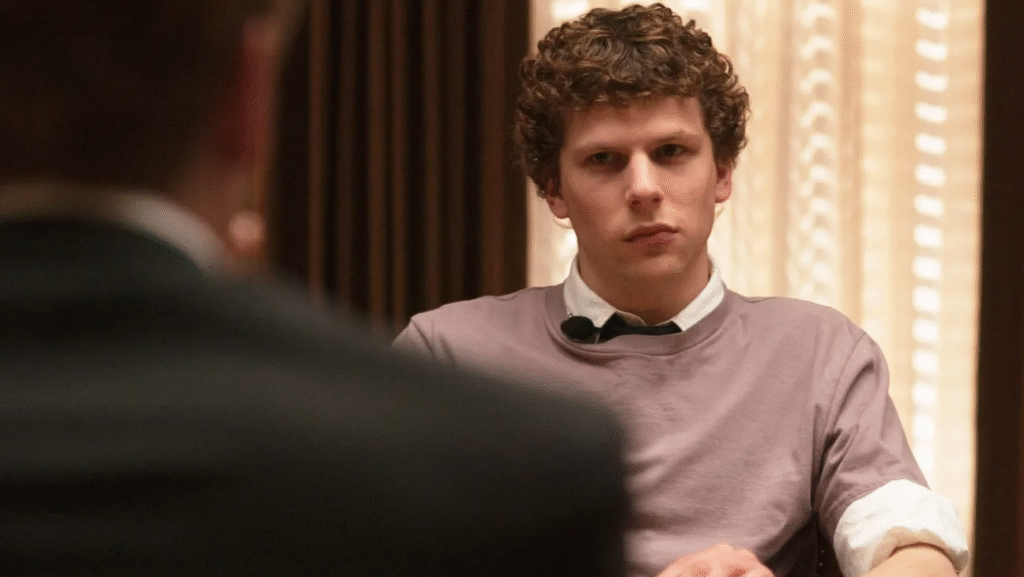
Haugen’s leaked documents revealed that 87% of Facebook’s misinformation spending went toward English content, even though English speakers make up only 9% of users. That’s not just corporate negligence – that’s deliberate resource allocation that endangered millions of people worldwide.
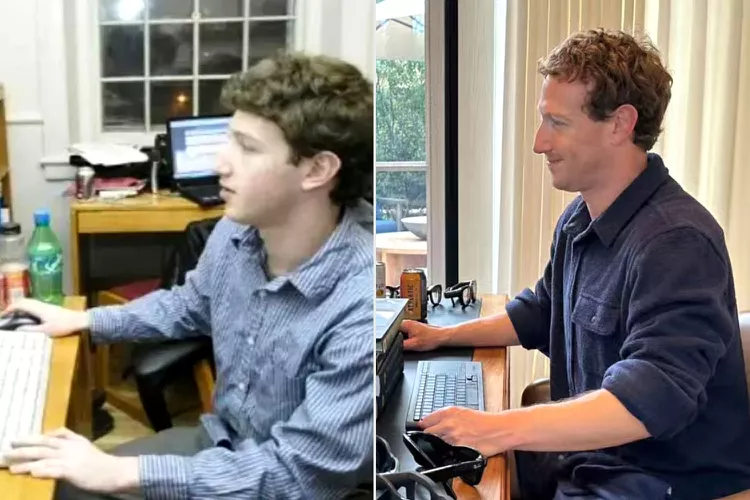
The film’s timeline covers Facebook’s transformation from social network to surveillance capitalism machine. Sorkin’s focusing on the human cost of algorithmic engagement, where keeping users addicted became more important than keeping them safe.
Why This Movie Matters Now
You might think we’ve heard enough about Facebook’s problems. But The Social Reckoning arrives when social media regulation is finally becoming reality. The EU’s Digital Services Act, passed in 2022, holds platforms accountable for harmful content. Similar legislation is moving through Congress.
“The story of Frances Haugen represents a pivotal moment when someone inside the machine decided enough was enough,” says tech policy expert Cathy O’Neil. Her leaked documents didn’t just embarrass Facebook – they provided evidence for regulatory action that’s still happening today.
The film’s October 2026 release positions it perfectly for awards season, just like the original. Sony Pictures clearly believes The Social Reckoning can repeat the success of its predecessor, which earned $226 million worldwide and won three Oscars.
The Technical Challenge
Sorkin’s directing his own screenplay this time, which means we’re getting his unfiltered vision without David Fincher’s visual style. That’s either going to be brilliant or a complete disaster – probably no middle ground.

Production starts next month with Todd Black, Peter Rice, and Stuart Besser producing alongside Sorkin. The budget hasn’t been announced, but given the cast and Sony’s commitment, expect something in the $40-50 million range.
The Social Reckoning faces the challenge of making corporate whistleblowing cinematically compelling. Unlike the original’s startup energy, this sequel deals with a massive corporation trying to contain scandals while congressional hearings play out on live television.
What Success Looks Like
The original Social Network worked because it captured a specific cultural moment when Facebook still felt new and exciting. The Social Reckoning needs to do the opposite – make the platform’s decline feel urgent and necessary.
If Sorkin succeeds, we might get the definitive film about social media’s dark turn. If he fails, it’ll join the pile of unnecessary sequels that nobody remembers. Given his track record with Being the Ricardos and The Trial of the Chicago 7, the odds feel pretty even.
Either way, The Social Reckoning represents Hollywood’s attempt to process the social media era while we’re still living through it. That’s ambitious, risky, and exactly what good movies should try to do.
Also Read: Leonardo DiCaprio One Battle After Another – Box Office Gamble