
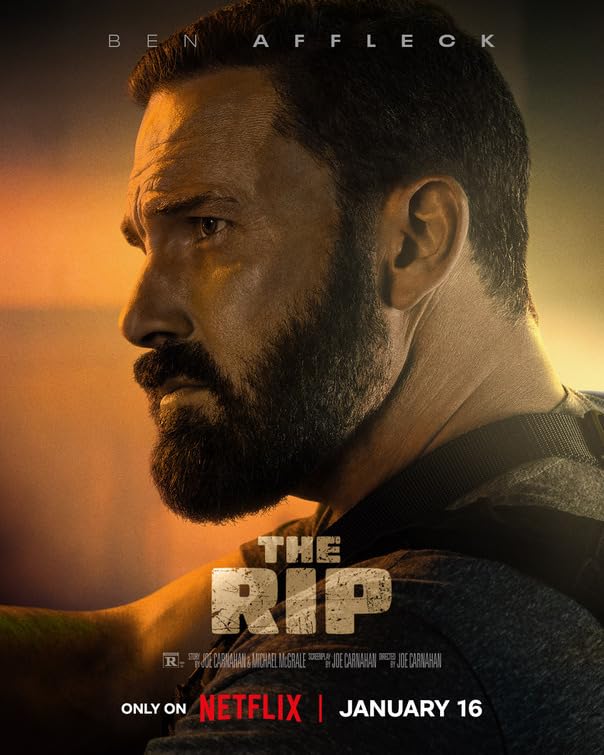
Remember that awkward moment when you find a forgotten twenty in your winter coat? Now imagine a squad of stressed-out cops finding twenty million in a drug house. That’s the beautiful, terrible premise of Netflix’s The Rip, a film that proves the most explosive drama doesn’t come from universe-ending stakes, but from the slow, toxic decay of trust between friends. This isn’t just another streaming action flick; it’s a defiant throwback to mid-budget, adult-oriented filmmaking, spearheaded by a Hollywood bromance that’s decided to change the rules of the game both on and off screen.
A Pressure Cooker of Paranoia and Greed
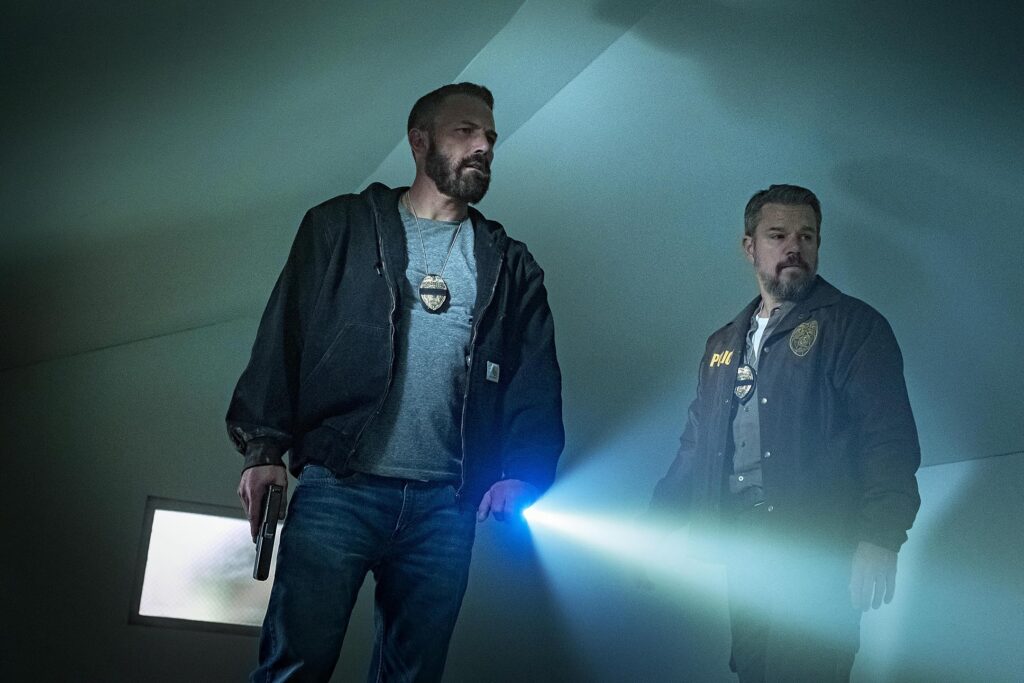
Directed by pulp maestro Joe Carnahan, The Rip is a masterclass in confined tension. The plot is elegantly brutal: after their captain is murdered, a specialized Miami police unit led by Lieutenant Dane Dumars (Matt Damon) and Detective JD Byrne (Ben Affleck) executes a “rip”—a raid on a cartel cash house. The expected six-figure score turns out to be a staggering $20 million in untraceable bills. Carnahan brilliantly traps his ensemble in this single, fog-drenched suburban house, transforming a routine bust into a claustrophobic pressure cooker. As they wait for the inevitable, heavily armed owners to return, the real heist begins—not on the cartel, but on each other’s crumbling loyalty. The film becomes a riveting study of how unimaginable temptation warps duty and brotherhood, proving that the most dangerous weapon in the room isn’t a gun, but a stack of cash.
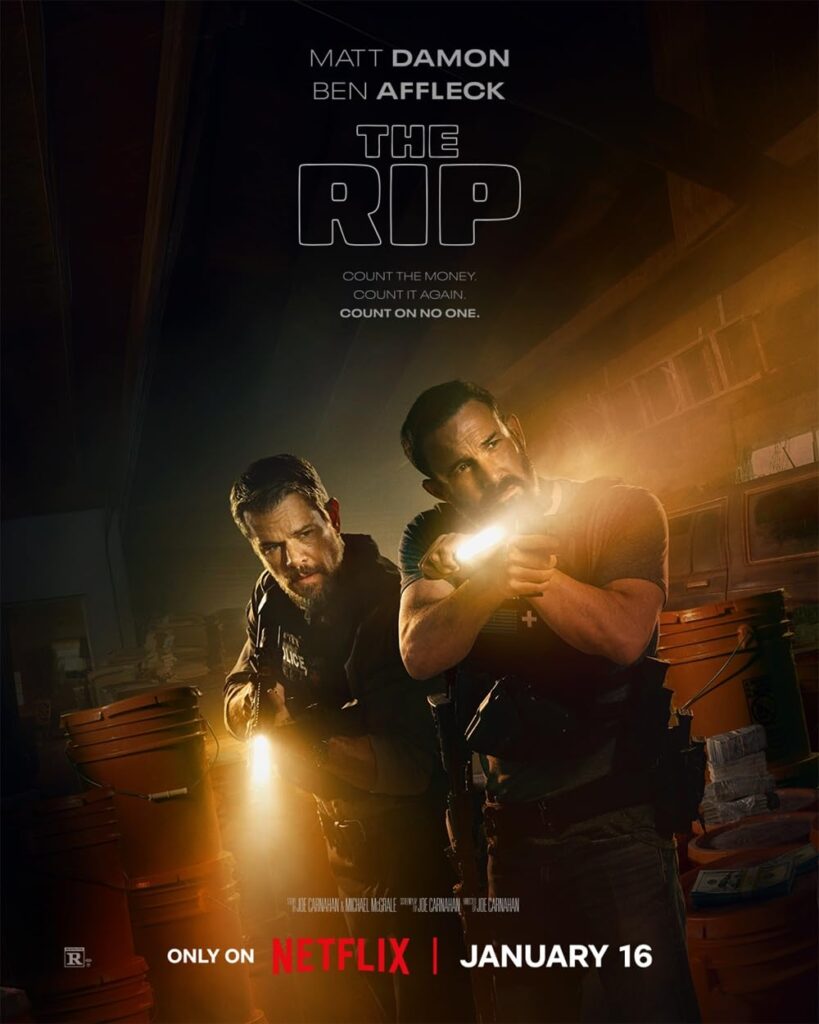
The Carnahan Comeback and a Star-Powered Dynamic
For director Joe Carnahan, The Rip signals a potent return to the gritty, character-driven territory of his early career. After years in the blockbuster wilderness, he crafts a world drenched in moral murk, where every glance carries weight and every alliance is provisional. The real draw, however, is the reunion of Damon and Affleck. This is far from a nostalgic bro-down; they sport hardass beards and hurl invective like angry brothers, their decades of off-screen friendship charging every shared scene with palpable history. Damon delivers career-best work as a man hollowed out by trauma, while Affleck provides the perfect volatile counterpoint. Their dynamic is the engine of the film, a partnership strained to its breaking point by greed and suspicion.
A New Deal for the Streaming Age
The most compelling drama surrounding The Rip may exist off-screen. The film is a flagship project for Affleck and Damon’s production company, Artists Equity, which was founded on a philosophy of profit-sharing with all who work on their movies. For The Rip, they pushed Netflix to break from its standard upfront-fee model, securing a deal where all 1,200 crew members are eligible for a performance-based bonus if the film hits certain metrics in its first 90 days. This unprecedented move is more than a generous gesture; it’s a direct challenge to streaming-era economics, attempting to tie a film’s financial success back to the people who made it. In doing so, The Rip becomes a symbol for a new kind of Hollywood venture—one where star power is used to advocate for fairness as much as for creative vision.
A Gritty, Grounded Thriller That Demands Attention
The Rip arrives not with the fanfare of a theatrical event, but as a surprise drop in Netflix’s endless churn. This irony is not lost on critics, who have praised it as “brawny, confident, and it moves,” a testament to the kind of “meat-and-potatoes” filmmaking that feels increasingly rare. It’s a film that deserves to be more than algorithmically promoted content; it’s a deliberate, expertly crafted thriller that reminds us of the power of simple, high-stakes storytelling grounded in character. By blending taut direction, powerhouse performances, and a groundbreaking business model, The Rip doesn’t just execute a heist—it aims to steal back a piece of Hollywood’s soul for the artists who make it.
Also Read: Is This Thing On? Plot Explained