
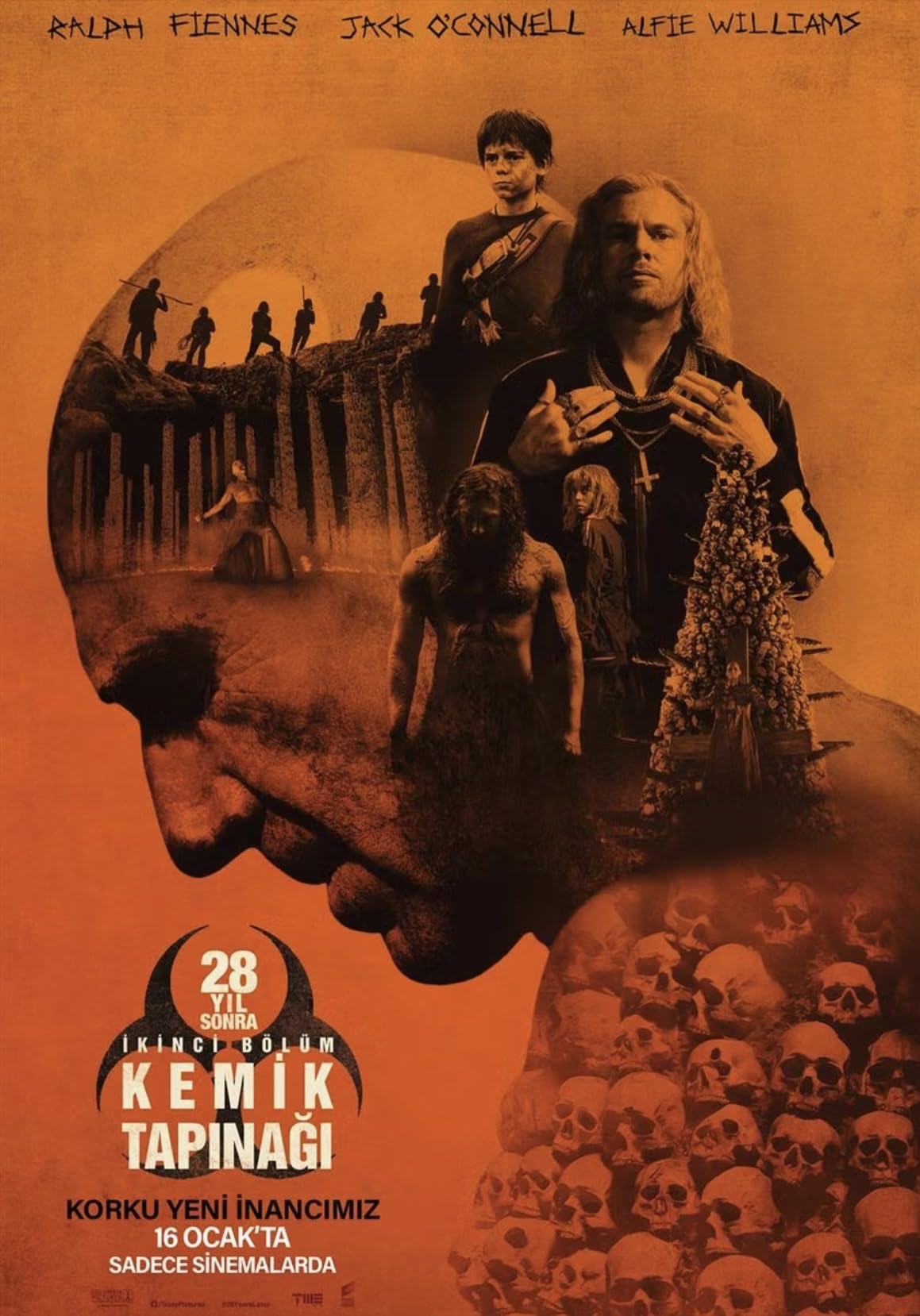
Let’s be honest. We’ve seen a lot of zombies. After decades of apocalypses, what can a new film possibly say? As it turns out, ’28 Years Later: The Bone Temple’ has found the missing ingredient: a surprising amount of compassion.
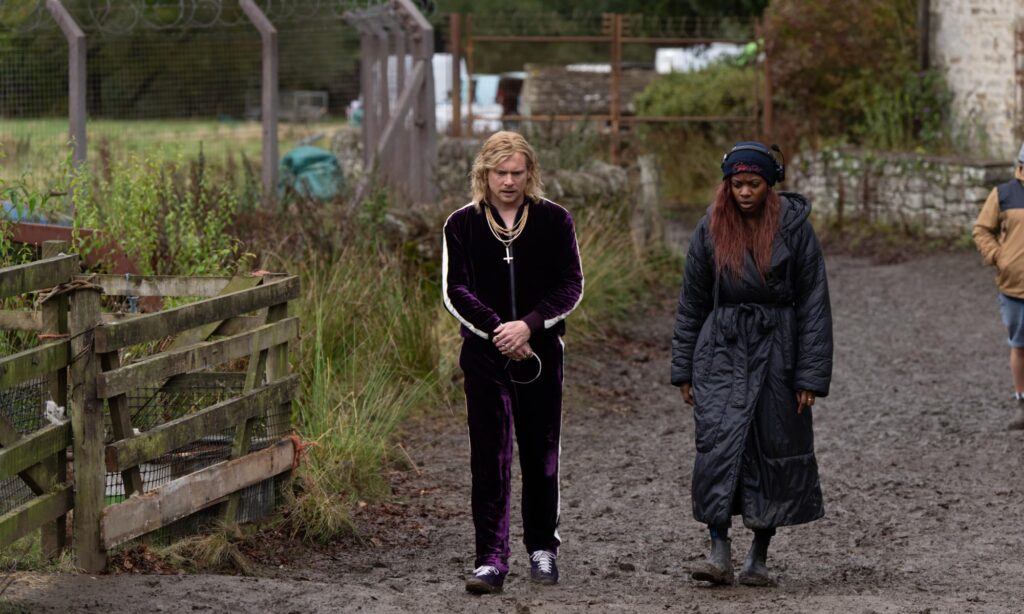
This isn’t just another gore fest. Directed by Nia DaCosta, this chapter takes the franchise in a wild new direction. It asks a fresh question: after the world ends and the running stops, what is there left to feel? The answer is more emotional—and more hopeful—than you’d expect.
The Story Moves Beyond Pure Survival
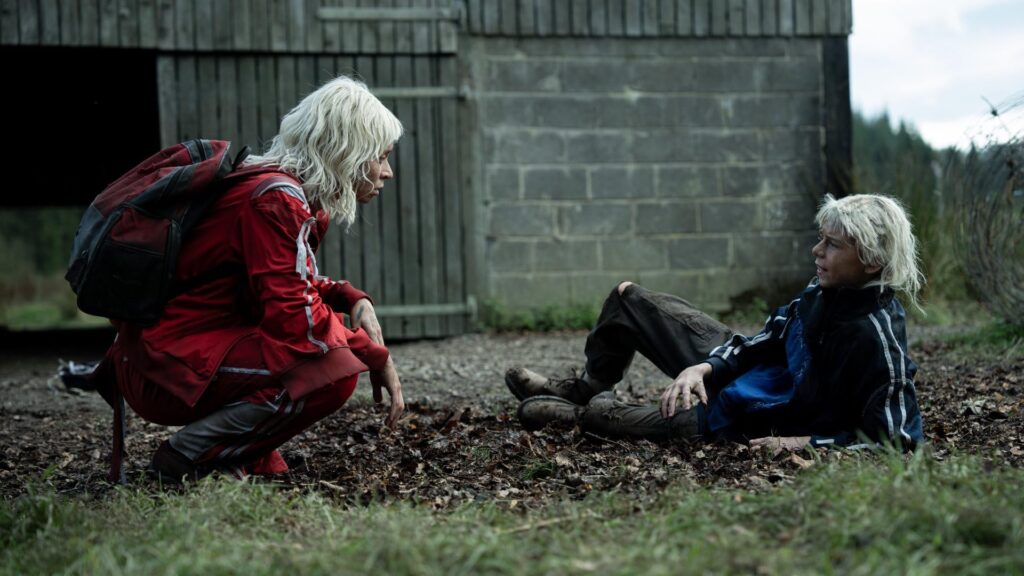
The last movie left us with a young boy named Spike alone in the wasteland. The Bone Temple picks up right there, but it quickly splits into two paths. One follows Spike as he gets caught up with a mad, violent gang called the Jimmys. Their leader fancies himself the son of the devil, and they spread horror for fun. It’s as brutal and gory as the franchise has ever been.
But the other path is where the magic happens. We go back to Dr. Kelson, played by the brilliant Ralph Fiennes. He’s living in his “Bone Temple,” a place filled with skulls and artifacts from the old world. And he’s not alone. He forms an unlikely connection with “Samson,” one of the infected Alpha zombies. Their story together is what makes this film special.
The Heart of the Film Is an Unlikely Friendship
This is where compassion crashes into the zombie genre. Dr. Kelson doesn’t see Samson just as a monster. He sees a being worth understanding. Their relationship becomes a quiet, moving dance of curiosity and connection. It’s been called “homoerotic” and “deeply emotional,” and it completely changes the tone of the film.
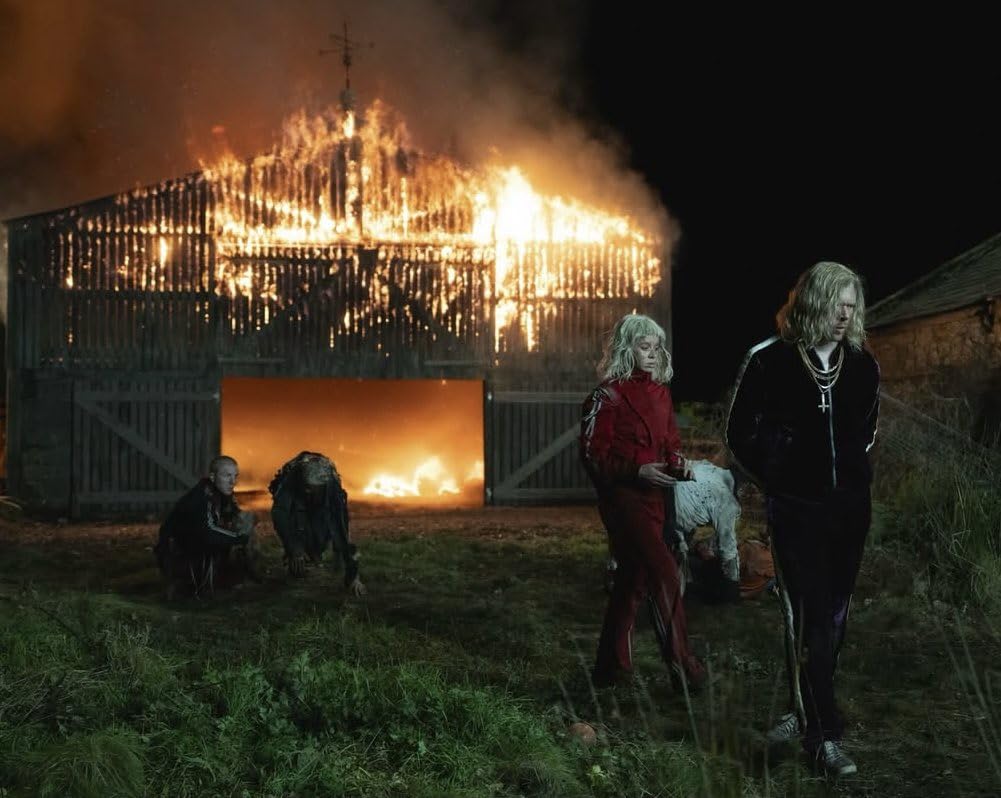
While Spike’s story is about the chaos of a world gone mad, Kelson’s story is about finding peace within it. He represents a way forward that isn’t about building walls or killing everything that moves. It’s about finding something to care about, even in the ruins.
Why This Compassion Changes Everything
For years, zombie movies have been about the threat from outside—the horde at the gate. The Bone Temple asks a harder question: what about the threat from inside us? The loss of our humanity, our ability to feel for others.
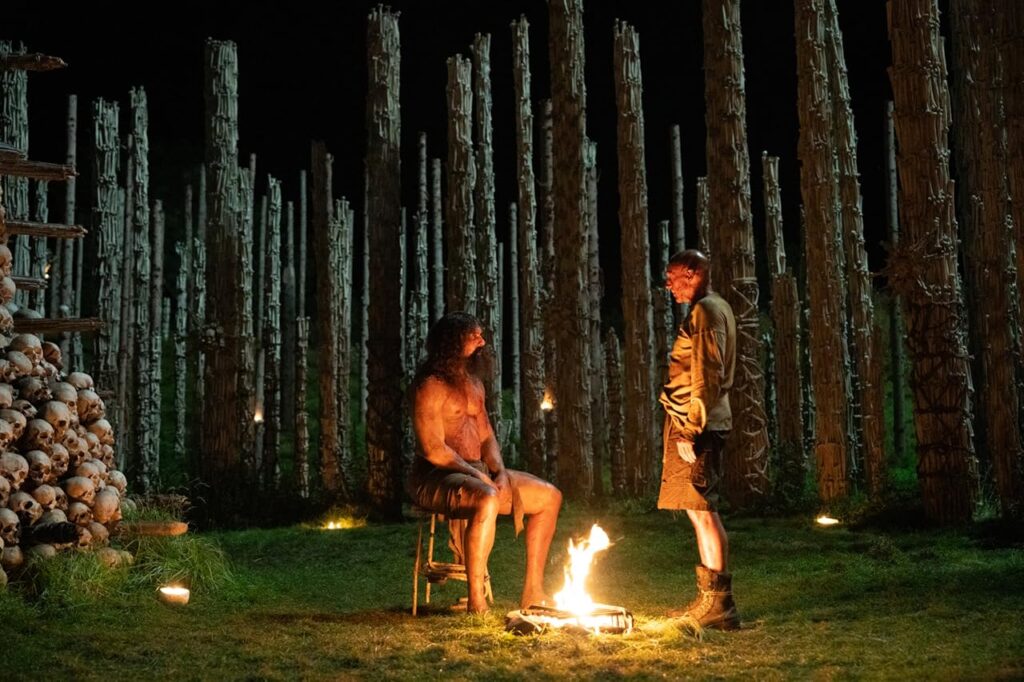
By focusing on this fragile bond between a man and a creature, the film argues that real survival isn’t just staying alive. It’s staying human. It’s keeping your capacity for compassion intact. In a genre packed with nihilism, this is a radical and hopeful idea. It’s not just the best film in this franchise in years—it might just be the one that points the way forward for apocalyptic stories everywhere.
Also Read: The Secret Agent Is Actually More Real Than You Think