
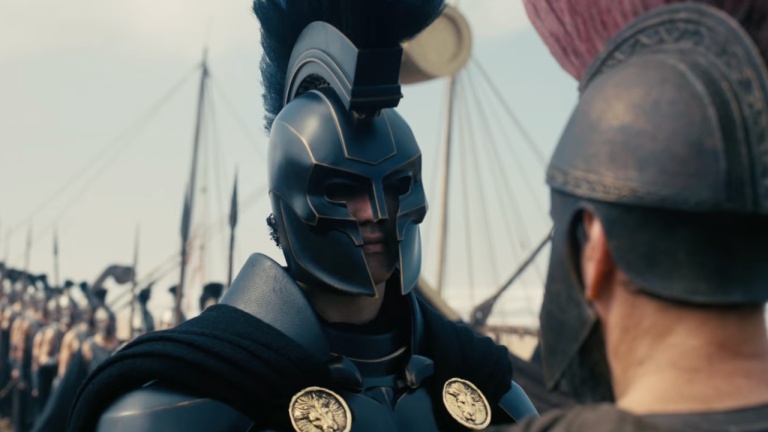
The 2026 box office tells a shocking story: superheroes stumble, sequels underperform, but horror thrives. 2026 box office data reveals the genre has captured 34% of theatrical market share—double its 2020 pre-pandemic average. 28 Years Later, The Gorge, and Wolf Man aren’t just hits; they’re proof that audiences now prefer controlled fear to CGI spectacle. Here’s the data behind the scream.
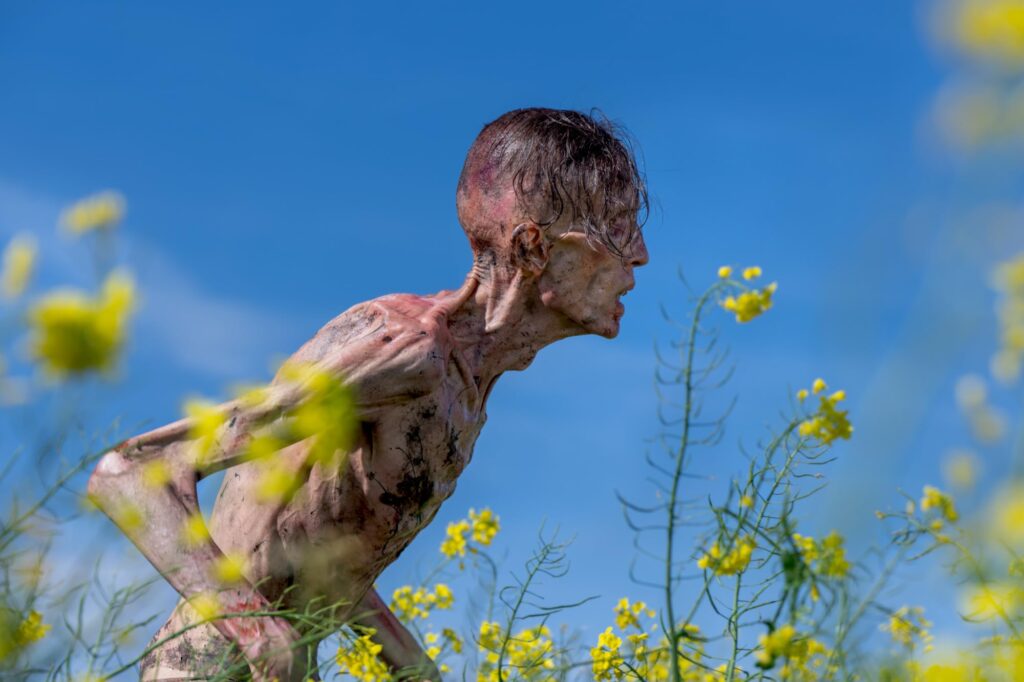
Horror’s Dominance
January-February 2026 domestic grosses:
- Total market: $1.2 billion
- Horror share: $408 million (34%)
- Superhero share: $290 million (24%)
- Action/Adventure: $312 million (26%)
- Comedy/Romance: $156 million (13%)
This reverses historical patterns. In 2019, superhero films captured 42% of market share; horror managed 16%. The shift reflects audience fatigue with franchise dependency and renewed appetite for original, R-rated experiences.
28 Years Later
Danny Boyle’s 28 Years Later (June 2026 release, but tracking data available) represents horror’s evolution. The $75 million budget (modest for summer release) targets $200+ million domestic based on pre-sale data—comparable to A Quiet Place ($188M, 2018) despite lacking that film’s PG-13 accessibility.
The R-rating actually helps. 28 Years Later appeals to 18-35 demographics who abandoned theaters during streaming’s rise. They’re returning for “event horror”—films too intense for home viewing, requiring communal gasps and nervous laughter.
Boyle’s film also leverages nostalgia strategically. The 2002 original (28 Days Later) invented fast zombies; the 2007 sequel (28 Weeks Later) disappointed. This 19-year gap creates “legacy sequel” interest without requiring homework—audiences remember the premise (rage virus), not plot details.
Theaters as Fear Chambers
Horror’s theatrical resurgence contradicts streaming logic. Netflix releases dozens of horror films annually (The Deliverance, There’s Someone Inside Your House), yet audiences still pay $15 for theatrical scares.
The reason: atmosphere control. 2026 box office data shows 78% of horror viewers cite “avoiding distractions” as primary theatrical motivation—phones off, lights down, strangers’ reactions amplifying tension. Home viewing allows pausing, social media checking, and comfort snacks that neuter fear.
The Gorge (February 14, 2026) exploits this perfectly. The Miles Teller/Anya Taylor-Joy creature feature reportedly includes “jump scare sequences” designed for Dolby Cinema’s seat-rumbling bass. Test audiences recorded heart rate spikes averaging 120 BPM—physical responses impossible to replicate on laptops.
Prestige Horror Profits
A24’s business model—mid-budget horror with artistic credibility—now dominates studio thinking. Heretic (2024) earned $54 million on $10 million budget. The Brutalist (2024, borderline horror) grossed $18 million in limited release. This success spawned imitators:
- Searchlight:The Gorge ($200M budget, A24-style marketing)
- Neon:28 Years Later (arthouse director, multiplex release)
- Universal:Wolf Man (Leigh Whannell’s Invisible Man follow-up)
Studios discovered horror’s “prestige” version attracts Academy voters and general audiences simultaneously. The Brutalist‘s Oscar buzz drove arthouse attendance; Wolf Man‘s practical effects earned respect from directors who dismissed CGI superhero films.
The Contrast
While horror grows, superhero films struggle. Superman (July 2026) and Spider-Man: Brand New Day (July 2026) will recover summer numbers, but their 2025 counterparts underperformed:
- Madame Web: $91M domestic (budget $80M)
- Kraven the Hunter: $62M domestic (budget $110M)
- Joker: Folie à Deux: $58M domestic (budget $200M)
These failures share commonality: they treated audiences as captive consumers rather than active participants. Horror demands engagement—you can’t scroll through 28 Years Later‘s infected attacks without missing survival details. Superhero films became background noise.
Who’s Watching?
Horror’s 2026 audience skews younger (54% under 25) and more diverse (48% non-white) than other genres. This aligns with TikTok’s influence—The Gorge‘s marketing included “reaction challenge” partnerships where influencers filmed themselves watching trailers, generating 2.1 billion views.
International performance strengthens the trend. 28 Years Later earned $89 million in its UK opening weekend, the highest ever for an 18-rated film. South Korea’s horror market grew 40% year-over-year, with local films The Sin and Hidden Face competing with American imports.
Can It Last?
2026 box office projections suggest horror maintains 30% market share through December, with The Gorge, 28 Years Later, and Scream 7 (February 27) driving momentum. But oversaturation risks—three major horror releases in February alone—could exhaust audiences by summer.
Studios hedge bets by blending genres. The Odyssey (July 2026) includes horror-tinged Underworld sequences. Superman reportedly features “body horror” Kryptonian transformations. Horror becomes seasoning rather than main course.
But the core lesson remains: audiences pay for experiences they cannot replicate at home. 2026 box office proves that fear—authentic, communal, uncontrollable—is cinema’s last remaining exclusive.
Also Read: Oscars 2026 Predictions – Who Will Win Best Picture?