
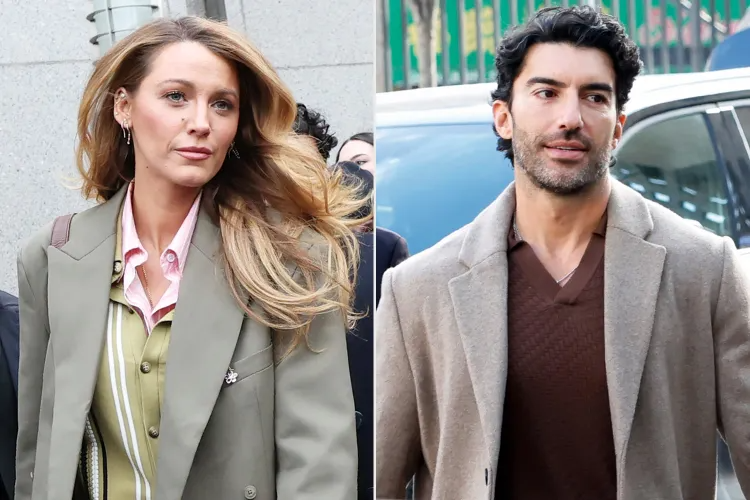
The courtroom looms, but the door hasn’t closed. Blake Lively and Justin Baldoni’s explosive legal war—sparked by It Ends With Us production conflicts—could theoretically settle before March 9, 2026 trial date. Both sides have incentives. Both have obstacles. The question isn’t whether settlement is possible. It’s whether either party can afford the perception of backing down.
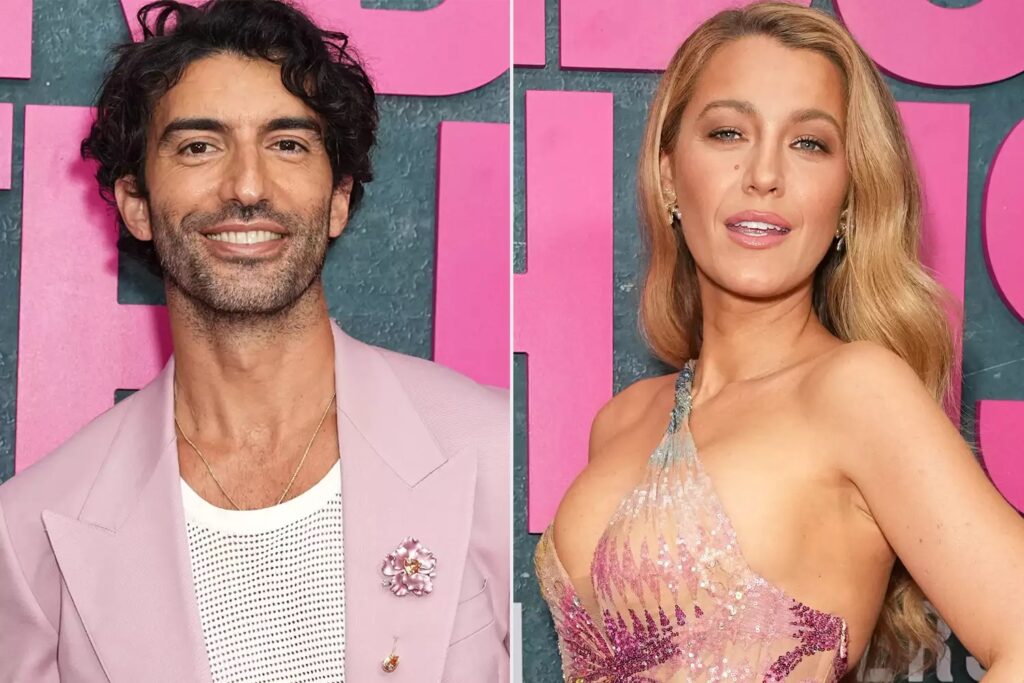
What happened? Lively filed complaint December 20, 2024, alleging Baldoni (director and co-star) sexually harassed her during It Ends With Us filming—improvised intimate scenes without consent, body-shaming comments, creating hostile environment. She claimed he retaliated when she objected, hiring crisis PR firm to “socially manipulate” negative press against her.
Baldoni countersued January 16, 2025, alleging Lively fabricated claims to cover her own “creative takeover”—rewriting script, controlling post-production, demanding Baldoni be removed from film. He claims civil extortion: she threatened public destruction unless he accepted her changes.
The evidence war
Lively’s team released text messages showing Baldoni’s publicist Melissa Nathan strategizing “social manipulation” campaign. Baldoni’s team released behind-the-scenes footage showing Lively joking with him, seemingly comfortable. Both sides weaponize #MeToo language—Lively as survivor, Baldoni as falsely accused victim.
The New York Times published Lively’s account January 2025; The Washington Post published Baldoni’s rebuttal days later. The dueling narratives split public opinion and Hollywood solidarity.
Why settle now?
Lively’s incentives: Avoid trial uncertainty. Protect reputation from further scrutiny. End resource drain—she’s reportedly spent millions on legal fees already. Maintain “advocate” positioning without risk of cross-examination.
Baldoni’s incentives: Clear his name without jury unpredictability. Resume career—he’s lost representation, podcast deals, speaking engagements. Financial preservation—damages if he loses could be catastrophic.
Why they won’t:
Principle: Both believe they’re right. Settlement reads as admission of guilt to their respective supporters.
Public perception: Lively settling suggests “lying for attention.” Baldoni settling suggests “guilty of harassment.”
The money: Neither needs settlement financially. Both can afford trial. The cost is reputational, not monetary.
What would settlement look like?
Mutual non-disparagement agreement. No admission of liability. Baldoni donates to harassment charity; Lively donates to false accusation awareness. Joint statement: “We have resolved our differences privately.” Unlikely, given polarization.
The trial alternative
March 9, 2026, New York federal court. Expected duration: 3-4 weeks. Witnesses: It Ends With Us crew, studio executives, PR consultants, possibly Ryan Reynolds (Lively’s husband, alleged “creative takeover” participant). The trial becomes referendum on #MeToo’s current state—believing women versus due process for accused.
Current status
Pre-trial discovery ongoing—depositions, document review, expert witnesses. Both sides file motions to exclude evidence. The March date feels distant but approaches. Settlement windows typically open 30-60 days before trial, when costs and risks crystallize.
What’s more likely?
Trial. Both parties have invested too much—financially, emotionally, narratively—to retreat. Lively wants vindication; Baldoni wants exoneration. Only jury can provide either. The settlement question isn’t “can they” but “will they”—and the answer, for now, is no.

Also Read: Cardi B & Stefon Diggs: The Truth Behind the Breakup Rumors