
After twelve nominations and zero wins across a career that includes Boogie Nights, Magnolia, There Will Be Blood, and Phantom Thread, Paul Thomas Anderson finally has his Oscar. Actually, he has three of them. And a martini waiting.
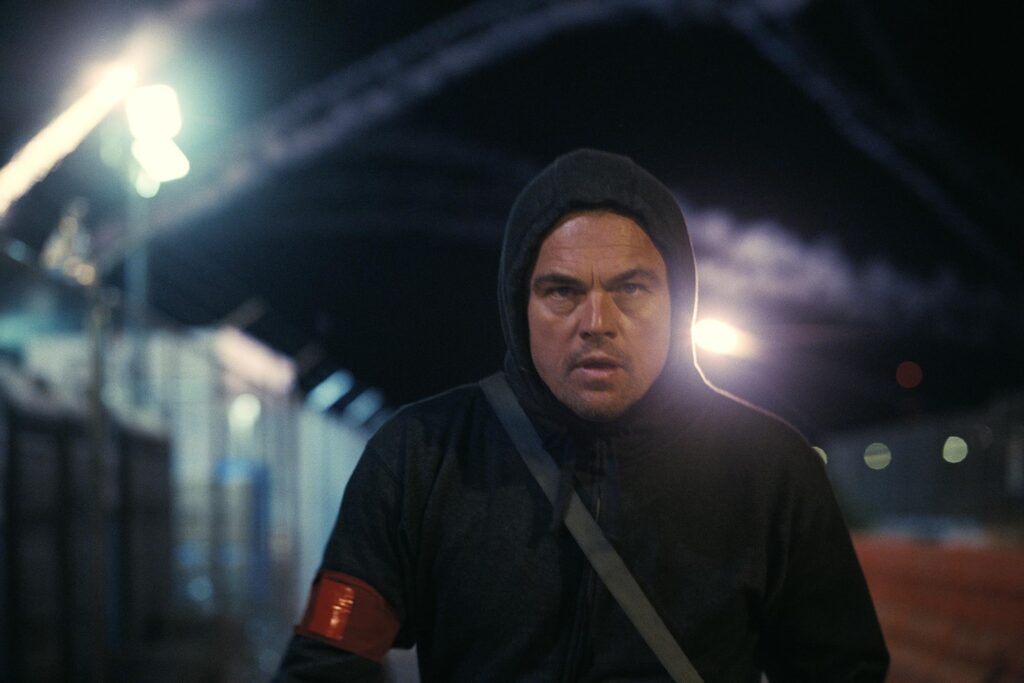
One Battle After Another, Anderson’s political thriller about an ex-revolutionary forced back into action in a police-state America, took home six trophies at the 98th Academy Awards, including Best Picture, Best Director, and Best Adapted Screenplay. The film, loosely inspired by Thomas Pynchon’s novel Vineland, beat out a competitive field that included Sinners, Hamnet, and Marty Supreme to claim the top prize. For Anderson, it was a night of vindication after decades of being the “always the bridesmaid” of American cinema.
“You make a guy work hard for one of these, I really appreciate it,” Anderson said during his Best Director acceptance, clutching the statuette like he was still checking to make sure it was real. By the time he took the stage for Best Picture, he had found his rhythm—and his thirst. “You guys, let’s have a martini,” he declared to the Dolby Theatre audience. “This is pretty amazing. Cheers.”
The film’s six wins included the inaugural Academy Award for Best Casting, recognizing Cassandra Kulukundis’s work in assembling the ensemble, and Best Film Editing for Andy Jurgensen. But it was Anderson’s triple triumph that dominated the narrative. After 11 previous losses across his career, he was suddenly the man of the hour, making up for past omissions with a vengeance.
During his Best Picture speech, Anderson paid homage to the 1975 Oscar nominees—One Flew Over the Cuckoo’s Nest, Barry Lyndon, Dog Day Afternoon, Jaws, and Nashville—noting that “there is no best among them, there is just what the mood might be that day.” It was a characteristically film-bro moment from a director who has always worn his influences on his sleeve, but delivered with the humility of someone who knows how quickly fortunes can change.
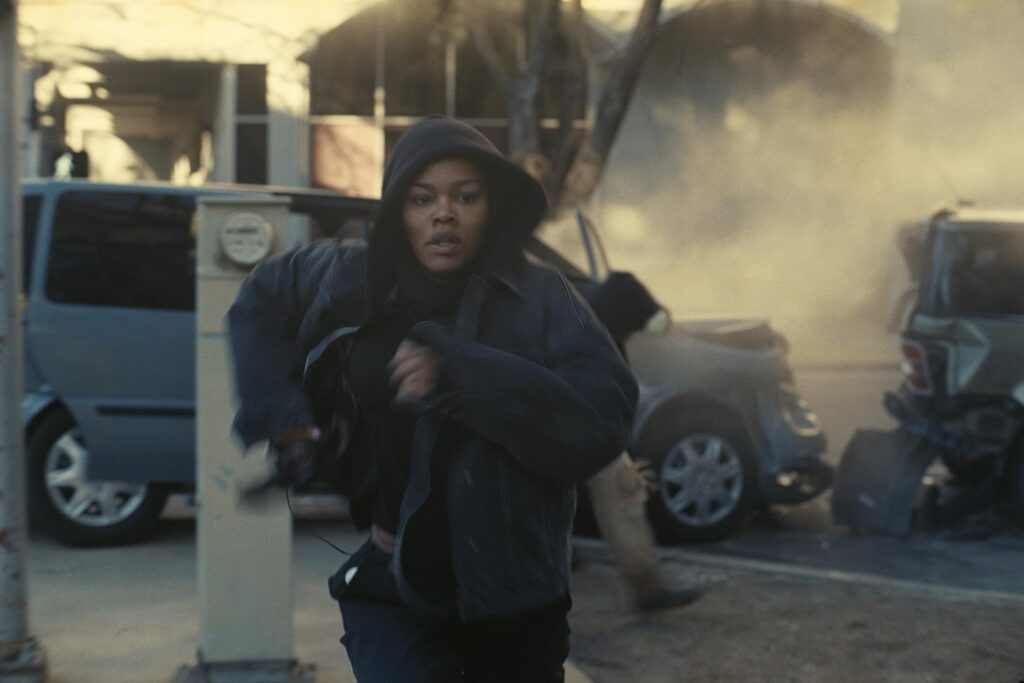
He also made sure to correct an earlier oversight. During his Best Director speech, he had forgotten to thank his cast—a cardinal sin in Hollywood. “I really blew it when I won a best director award and I forgot to thank my cast,” he admitted during the Picture acceptance. “Leo, Benicio, Teyana, Sean, Regina… and especially Chase, my American girl. You are the heart of this movie.”
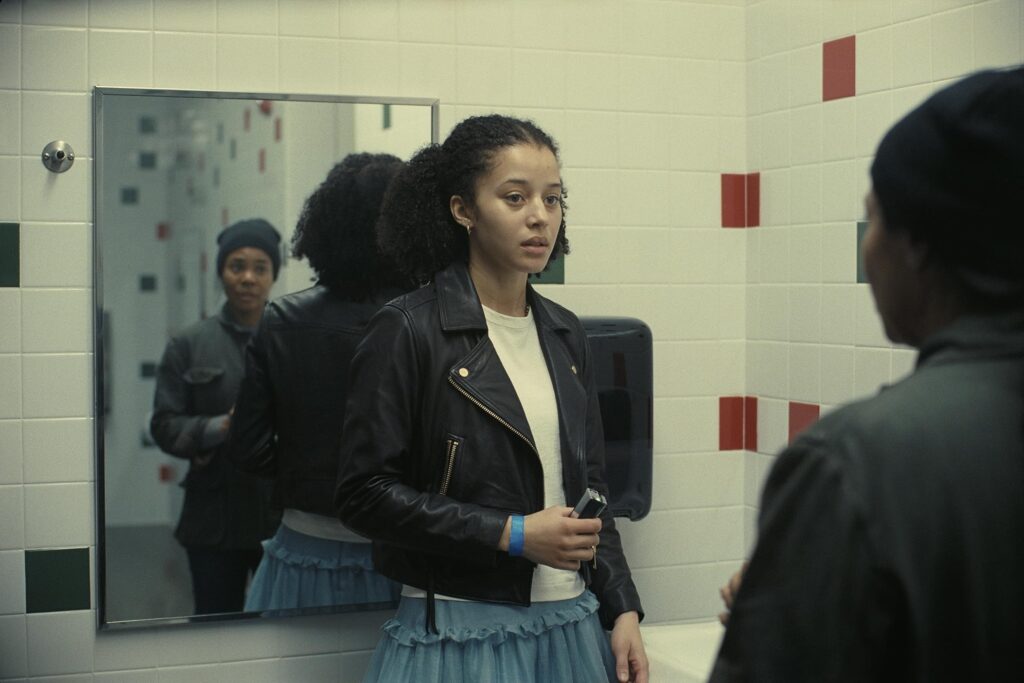
The victory completes a dominant awards season run for One Battle After Another, which has now claimed the top prizes from the Producers Guild, the BAFTAs, and the Academy. For Warner Bros., which released both One Battle After Another and Sinners, it was a night of mixed emotions—dominating the Oscars while facing an uncertain future amid the company’s pending merger with Paramount.
Anderson’s win also represents a shift in the Academy’s tastes. One Battle After Another is a dense, politically charged film that treats revolutionary politics with the same seriousness that Anderson once reserved for porn stars and oil barons. That it could triumph over Sinners—a record-breaking 16-nomination juggernaut that recast the Black American experience through a vampire lens—suggests that voters were in the mood for something specifically cinematic, something that harkened back to the paranoid thrillers of the 1970s while speaking to the current moment.

Or maybe they just wanted to give Paul Thomas Anderson his martini moment. After thirty years of brilliant, uncompromising cinema, he earned it.
Raise a glass—stream One Battle After Another and witness the film that finally earned Paul Thomas Anderson his long-overdue Oscar recognition.
Also Read: The ‘Spider-Man: Brand New Day’ Trailer Just Broke the Internet (Literally)