
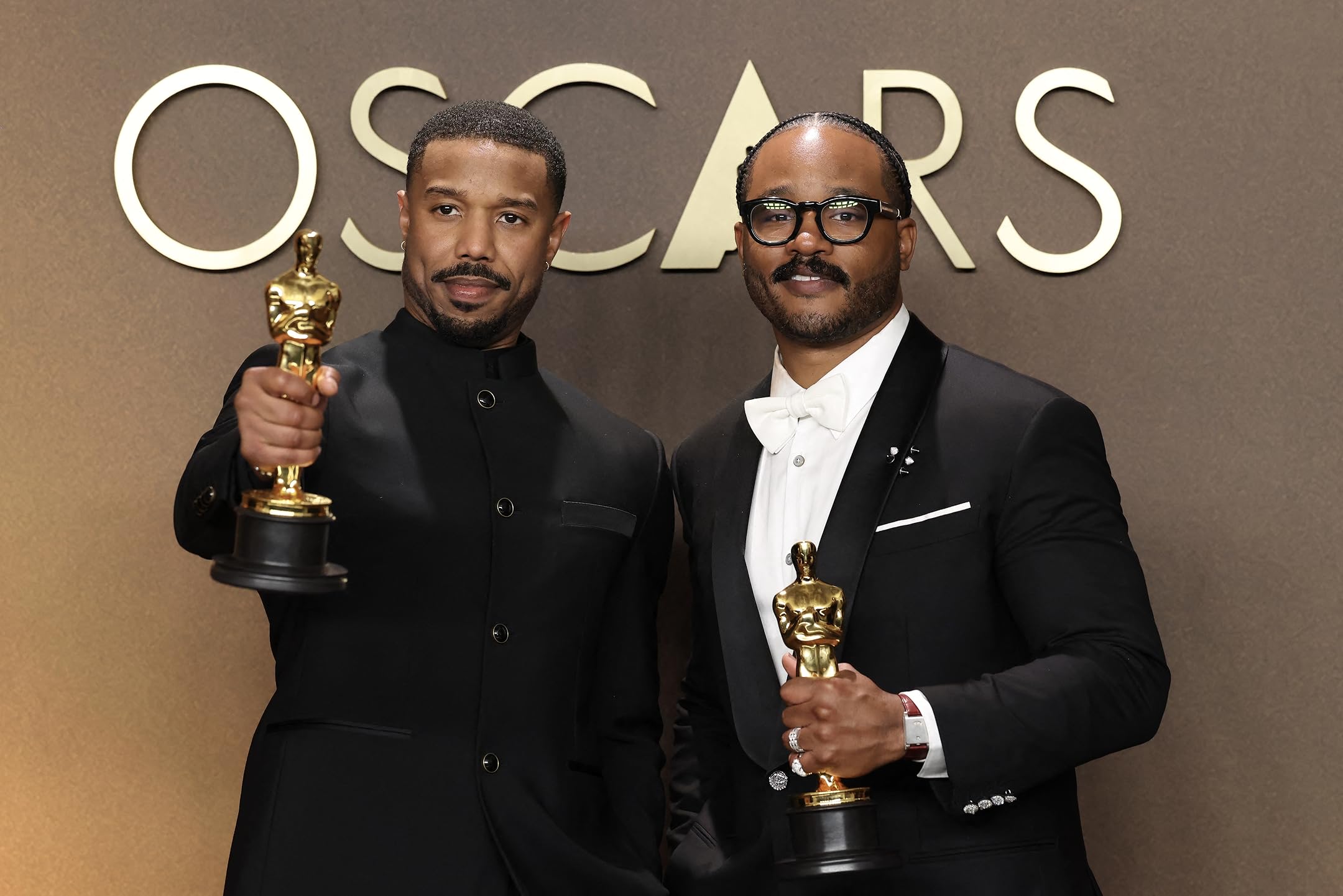
Ryan Coogler made history at the 98th Academy Awards, becoming only the second Black writer to win Best Original Screenplay for Sinners, his vampire epic that reimagined 1930s Mississippi as a battleground for Black self-determination, blues music, and bloodsucking monsters. It was a landmark moment, a deserved recognition for a film that had already become the most-nominated movie in Oscar history with sixteen nods.
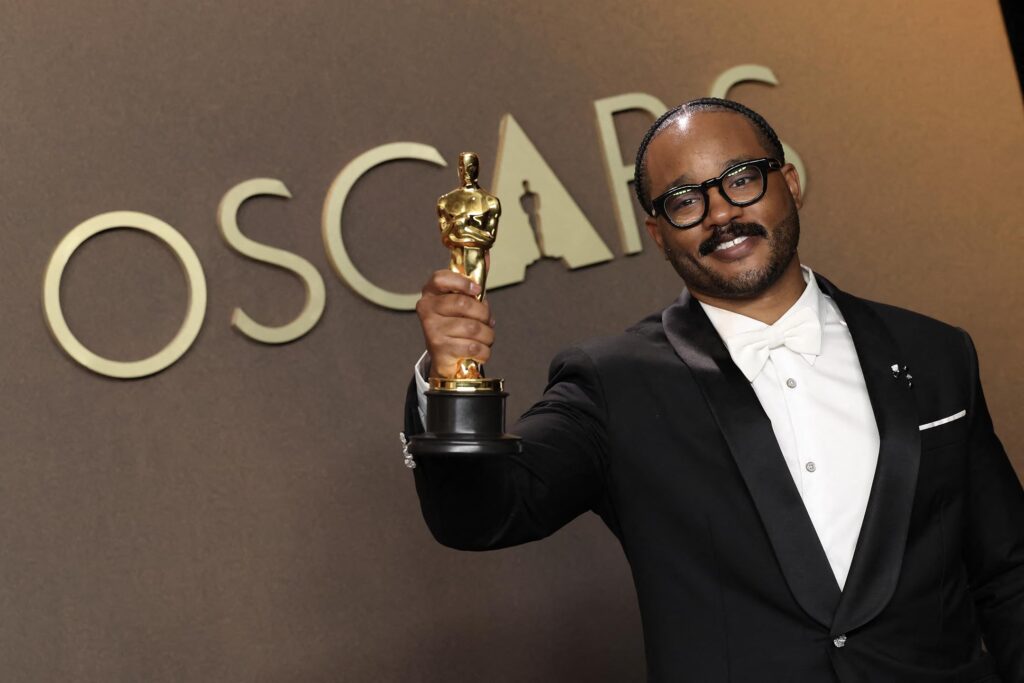
But as Coogler stood on that stage clutching his first Oscar statuette, the elephant in the room remained: he had not won Best Director. That prize went to Paul Thomas Anderson for One Battle After Another, continuing a troubling streak. In nearly a century of Academy Awards, no Black director has ever won Best Director. Coogler was only the seventh to be nominated.
The statistics are stark. Of the seven Black directors nominated for the top prize, none have taken home the trophy. None are women. The list reads like a roster of brilliant filmmakers who were acknowledged but not crowned: John Singleton, Lee Daniels, Steve McQueen, Barry Jenkins, Jordan Peele, and now Coogler. Meanwhile, the Academy has found ways to honor their films—Peele won Screenplay for Get Out, Jenkins won Screenplay for Moonlight, and now Coogler has his Screenplay award for Sinners—but the director’s chair remains elusive.

Coogler himself tried to downplay the historical weight in the days leading up to the ceremony. “I don’t think about it too much,” he told the AP. “I’m just trying to enjoy the days as they come, stay present in the moment… I’m not thinking about nothing historical.” It’s the kind of diplomatic answer you give when you know the odds are stacked against you, when you’ve seen this movie before and know how it ends.
But the conversation that erupted after the ceremony proved that people are thinking about it, whether Coogler wants to or not. Critics pointed to the contrast between Sinners—a film that made history with its 16 nominations, that grossed hundreds of millions while telling an unapologetically Black story, that reinvented the vampire genre through the lens of the Great Migration—and One Battle After Another, a film that some argued treated revolutionary politics as “window dressing” and flattened its Black female characters into stereotypes.
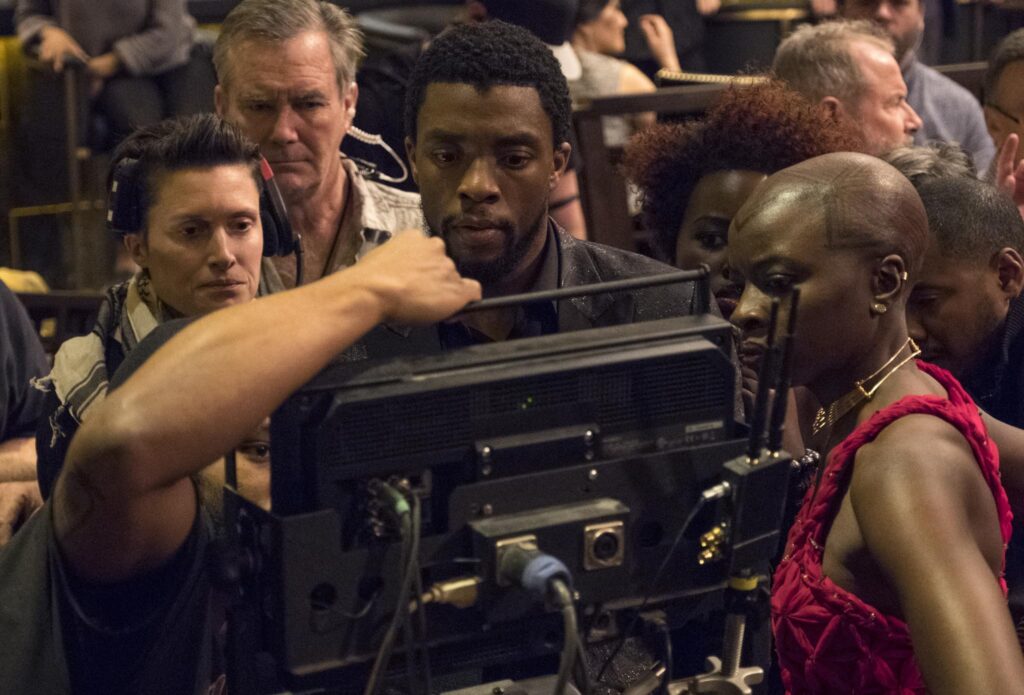
These comparisons are reductive by necessity—both films are complex works by visionary filmmakers who deserve celebration. But they highlight a pattern in how the Academy recognizes achievement. Black directors can make films that dominate the cultural conversation, that break box office records, that redefine genres, but they cannot, apparently, be named the best director.
Coogler’s win for Original Screenplay is genuine cause for celebration. He crafted a narrative that wove together historical trauma, musical heritage, and supernatural horror into something entirely new. The film also won Best Actor for Michael B. Jordan—Coogler’s frequent collaborator and muse—and Best Original Score for Ludwig Göransson, plus a historic win for Autumn Durald Arkapaw as the first woman to win Best Cinematography. Sinners took home four trophies in total, a remarkable haul by any standard.
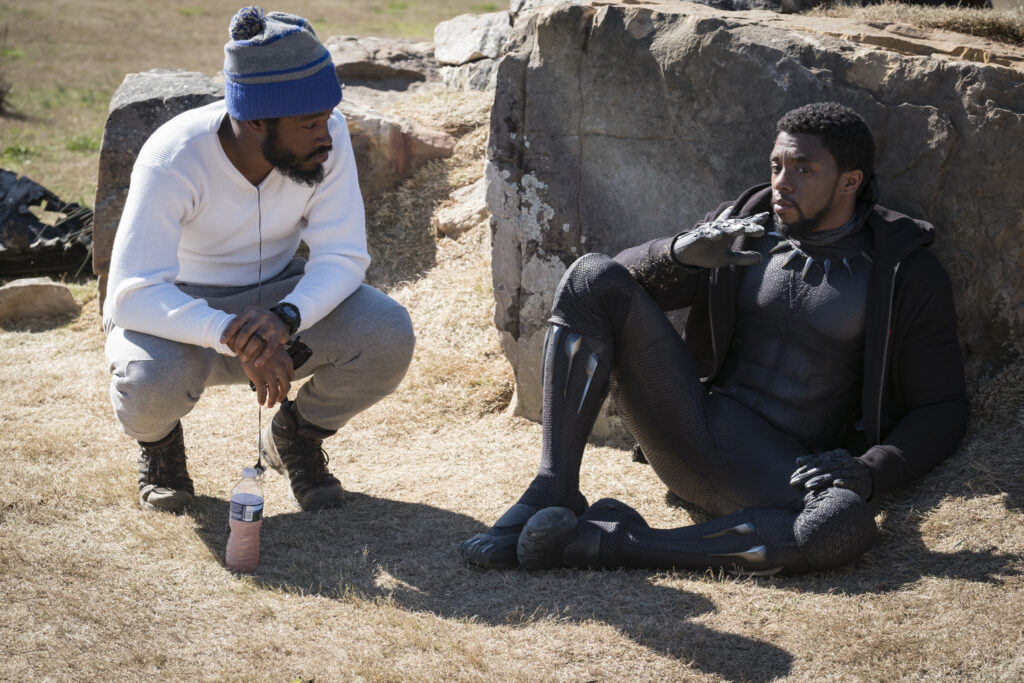
But the Best Director prize remains the industry’s highest honor, the validation that puts filmmakers in the pantheon. Until a Black director breaks that barrier, every nomination will carry the weight of history, and every loss will feel like a missed opportunity to correct a century of oversight.
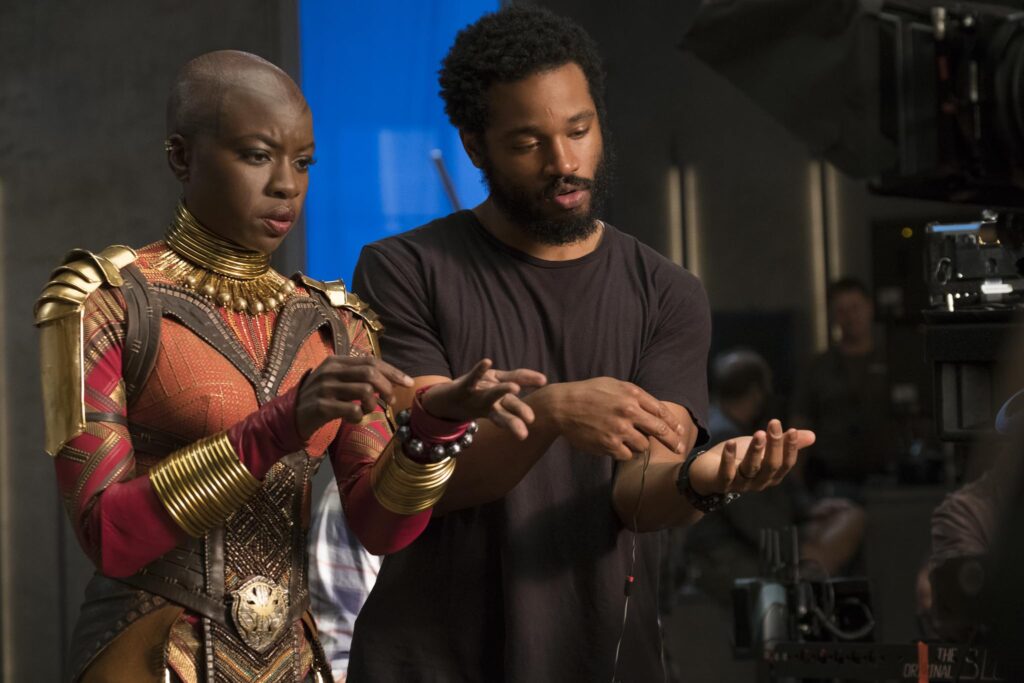
Coogler has three more films planned with Warner Bros., plus the highly anticipated fourth Black Panther installment. He is 39 years old and already has a legacy that most filmmakers twice his age would envy. He will almost certainly be back on that Oscar stage.
Next time, perhaps, he’ll be holding the director’s prize too.
Witness the history—stream Sinners and see why Ryan Coogler’s Oscar-winning screenplay became a cultural phenomenon.
Also Read: ‘One Battle After Another’ Won Best Picture and Paul Thomas Anderson Is Finally Having His Martini