
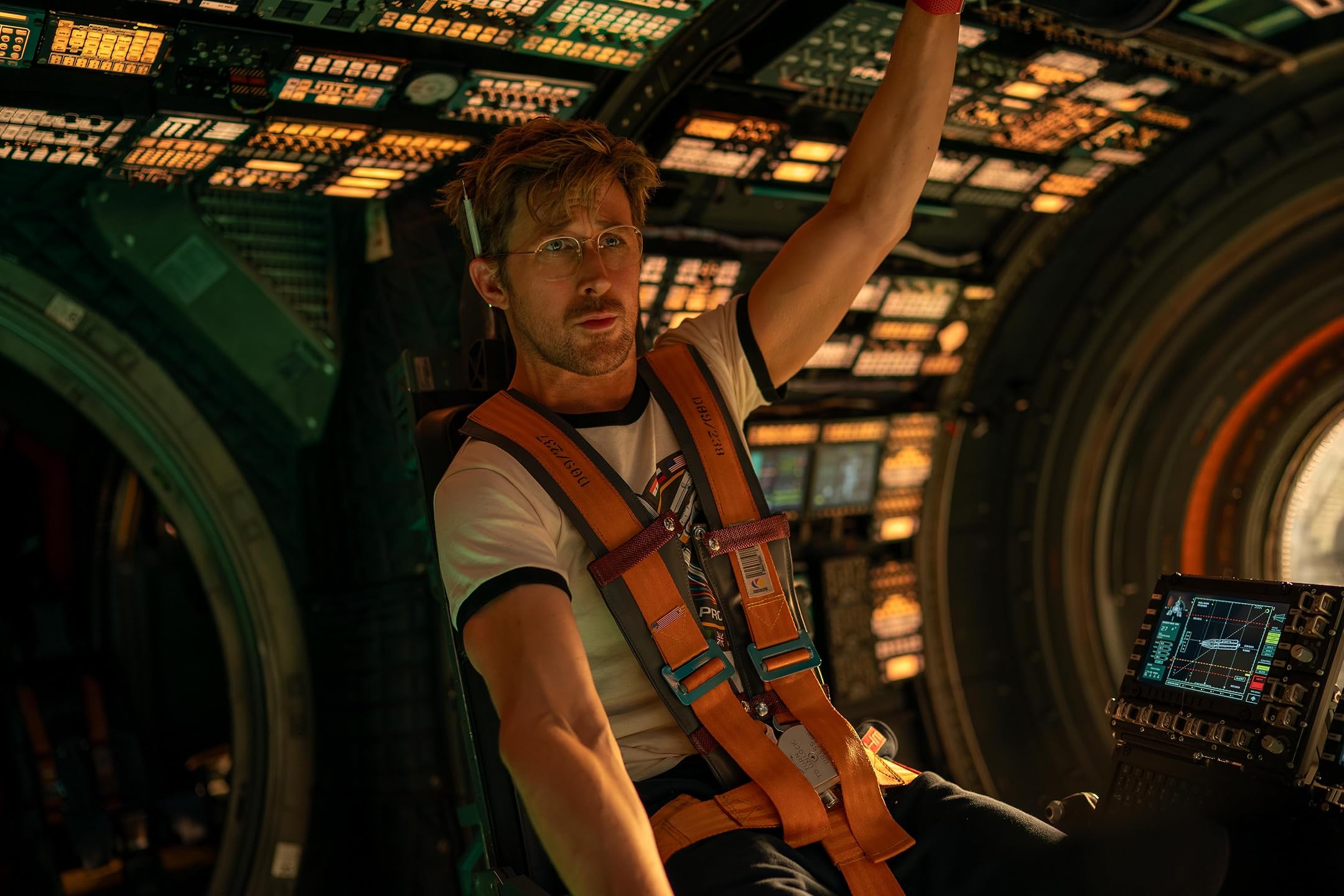
The numbers are in, and they’re spectacular. Project Hail Mary didn’t just open big—it became Amazon MGM’s highest-grossing theatrical release ever, surpassing Creed III’s previous record and establishing the e-commerce giant as a legitimate player in the blockbuster business. For a company that has struggled to find its footing in Hollywood since acquiring MGM for $8.5 billion, this is the kind of validation that justifies the expense account.
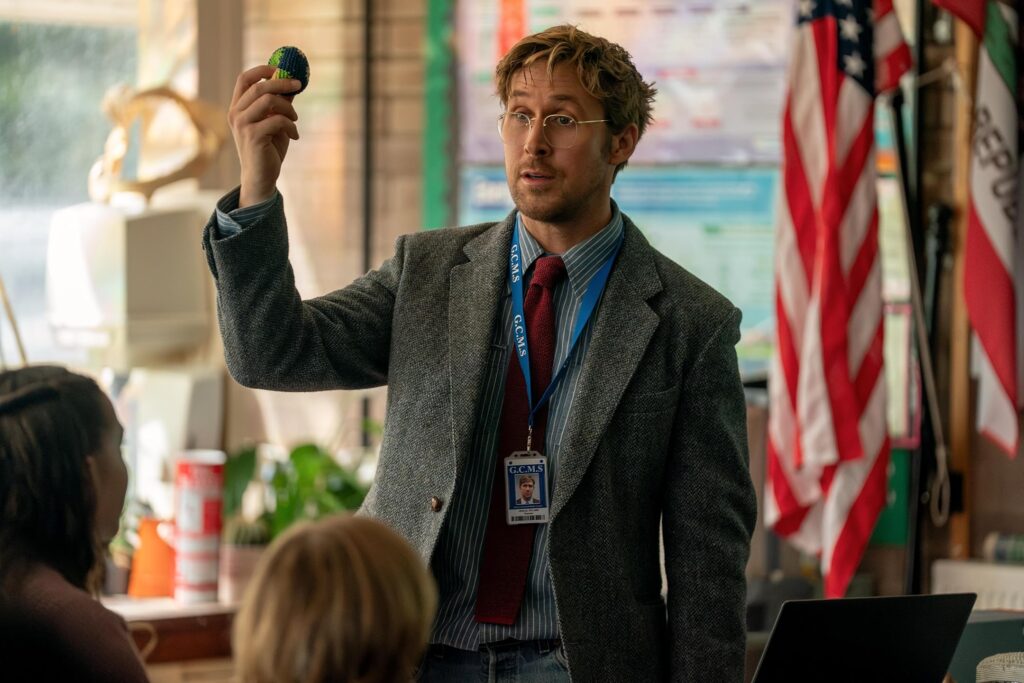
The film’s $80.5 million domestic opening represents a 39% increase over Creed III’s $58 million record, and it’s the largest debut of 2026, outpacing February’s Scream 7 by nearly $20 million. Internationally, it added $60.4 million from 82 markets, bringing the global opening to $141 million—a figure that puts it on track to join the $500 million club necessary for profitability on a $200 million budget.
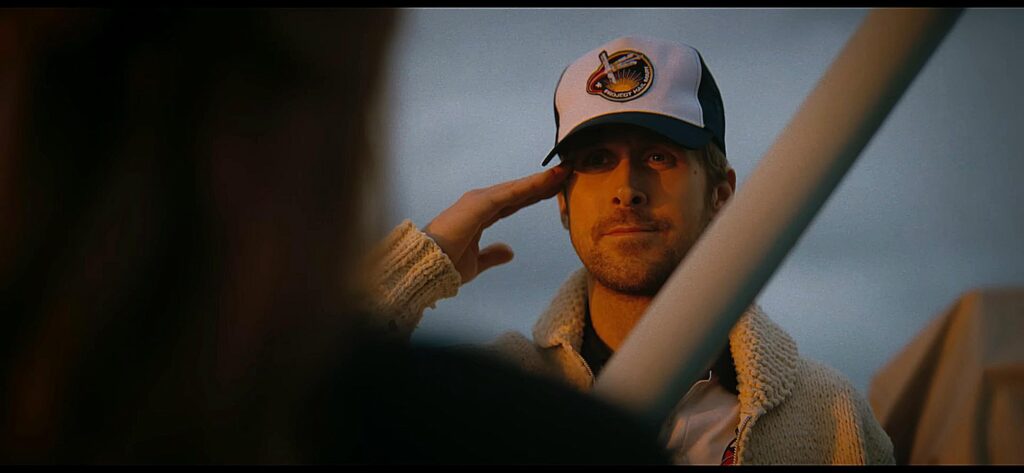
What’s remarkable is how Project Hail Mary achieved this without the benefit of franchise recognition. It’s not based on a comic book (unless you count the Andy Weir novel). It’s not a sequel. It doesn’t feature superheroes, lightsabers, or familiar intellectual property. It’s an original science fiction film about a man talking to an alien spider while trying to save the sun, and audiences showed up in droves because the reviews were stellar and the word-of-mouth was even better.
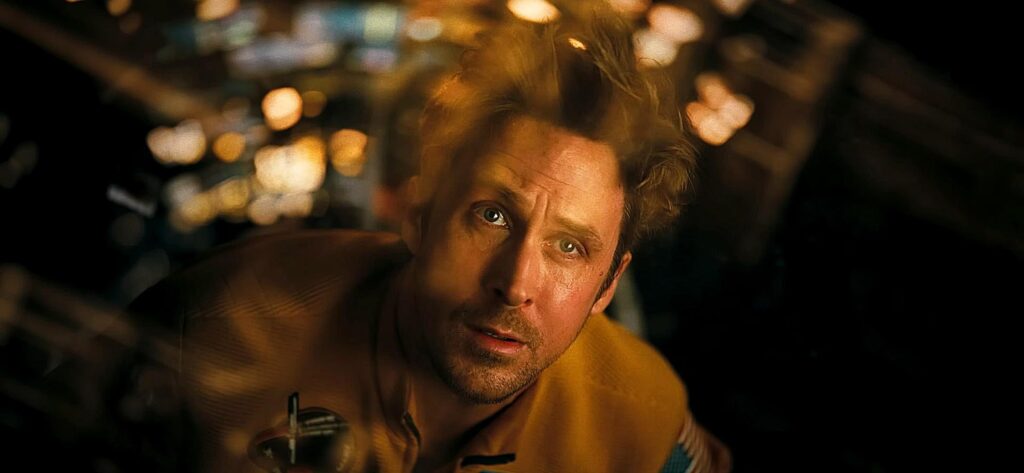
Amazon’s distribution strategy finally found its perfect match. The studio has been releasing films theatrically before streaming them on Prime Video, a model that requires actual theatrical hits to justify the marketing spend. Previous attempts—After the Hunt, Melania, Crime 101—ranged from disappointments to outright bombs. But Project Hail Mary proves that when you combine a star like Ryan Gosling with directors like Phil Lord and Christopher Miller and a story with genuine heart, the theatrical experience still has power.
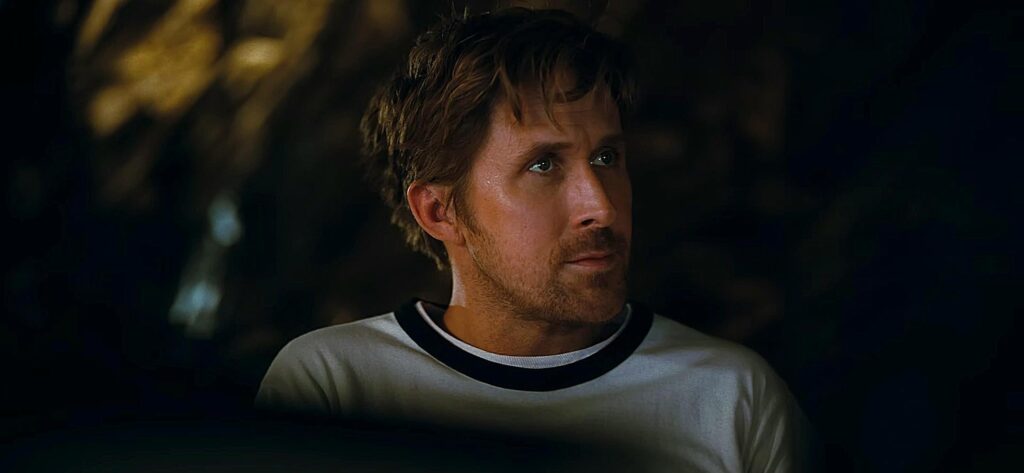
The film is Certified Fresh at 95% on Rotten Tomatoes and earned an A CinemaScore, putting it in the company of Oppenheimer, Skyfall, and Zootopia as films that managed both critical acclaim and audience enthusiasm. Exit polls suggest strong word-of-mouth, with audiences specifically praising the chemistry between Gosling and the CGI alien Rocky—a sentence that would have seemed insane five years ago but now represents cutting-edge cinema.
Premium formats drove the success, with IMAX, Dolby, and other large screens representing roughly 55% of ticket sales. This wasn’t a film people wanted to watch on their phones six months later; this was an event that demanded the biggest screen available. Theaters, struggling to fill seats in the streaming era, finally had a reason to celebrate Amazon’s presence in the market.
The demographic breakdown shows 57% male and 60% white audiences, with particularly strong showings in urban centers and college towns—exactly the sci-fi-friendly crowds that made The Martian (also based on an Andy Weir novel) a $619 million global hit. If Project Hail Mary follows a similar trajectory, it could end up with over $250 million domestically and significantly more overseas.
For Amazon, this changes the narrative entirely. The studio has Masters of the Universe releasing in June, and suddenly that film looks like a potential hit rather than a question mark. The executives who bet big on theatrical releases—former Warner Bros. Discovery talent Courtenay Valenti and Sue Kroll—have been vindicated. The strategy works, provided you have the right movie.
Project Hail Mary is the right movie. It’s funny, it’s smart, it’s visually spectacular, and it makes you care about a CGI spider rock. In an era of franchise fatigue and sequel overload, it’s a reminder that original stories can still break through if they’re told with enough skill and heart. Amazon spent billions to get into the movie business. This weekend, they finally got their money’s worth.
Be part of the phenomenon—see Project Hail Mary in theaters and help Amazon MGM reach even greater heights.
Also Read: ‘The Cable Guy’ Predicted the Future and We Were Too Busy Laughing at Jim Carrey to Notice