
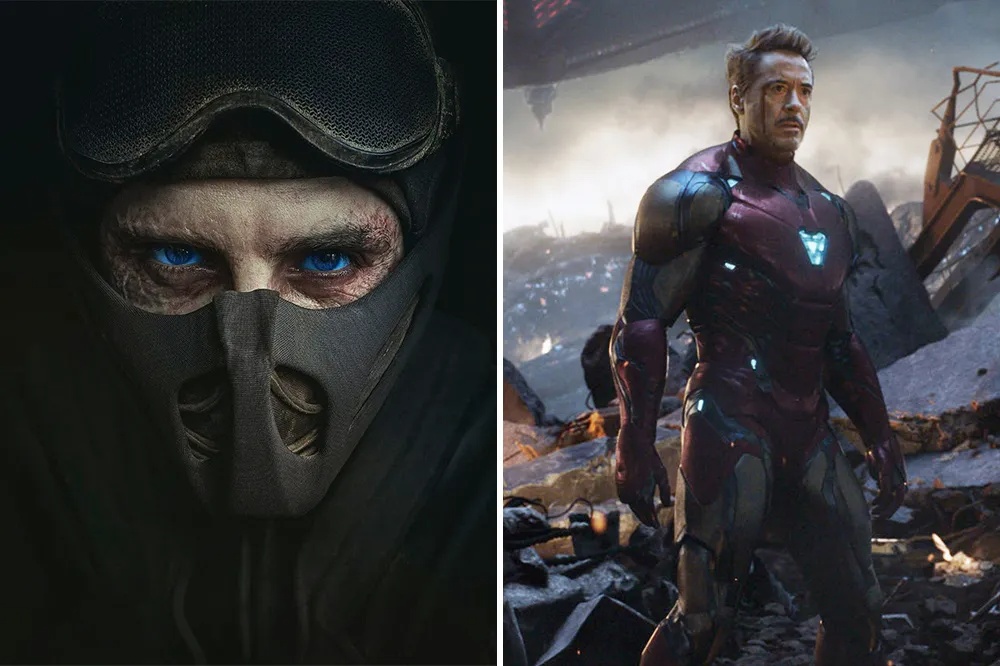
December 18, 2026, will go down in cinematic history as “Dunesday”—the day two of the biggest franchises in modern film history opened simultaneously, forcing audiences to choose between Denis Villeneuve’s sci-fi epic conclusion and Marvel’s multiverse-shattering team-up. What could have been a scheduling disaster has instead become the most anticipated box office showdown since Barbenheimer, with Warner Bros. and Disney engaging in a high-stakes game of chicken that neither seems willing to concede.
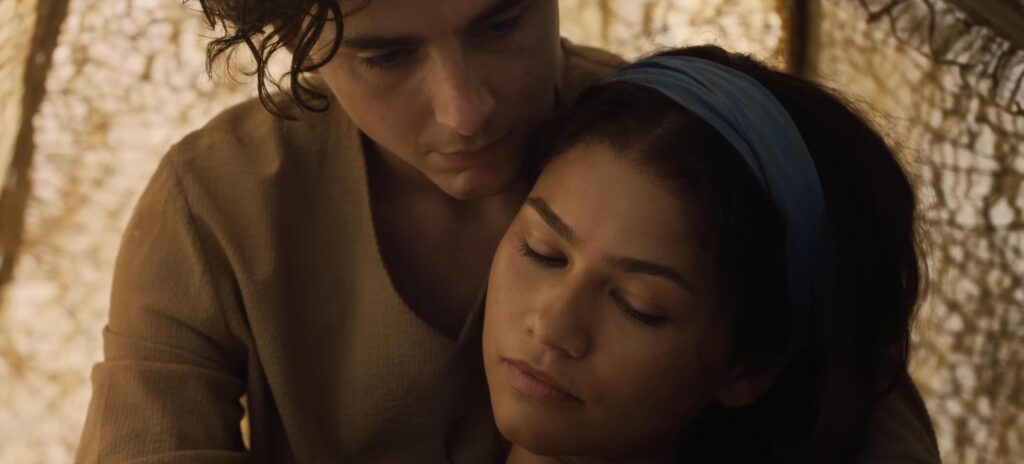
The conflict began when Dune: Part III staked out December 18th first, securing the prime pre-Christmas release date that has launched blockbusters from Avatar to Spider-Man: No Way Home. Avengers: Doomsday was originally scheduled for May 2025, moved twice due to industry strikes, and finally landed on the same December date despite the obvious conflict. Early tracking suggests Doomsday will be the year’s highest-grossing release, but Dune has momentum—Part Two earned $714 million globally, a 74% increase over Part One’s pandemic-hampered $410 million.
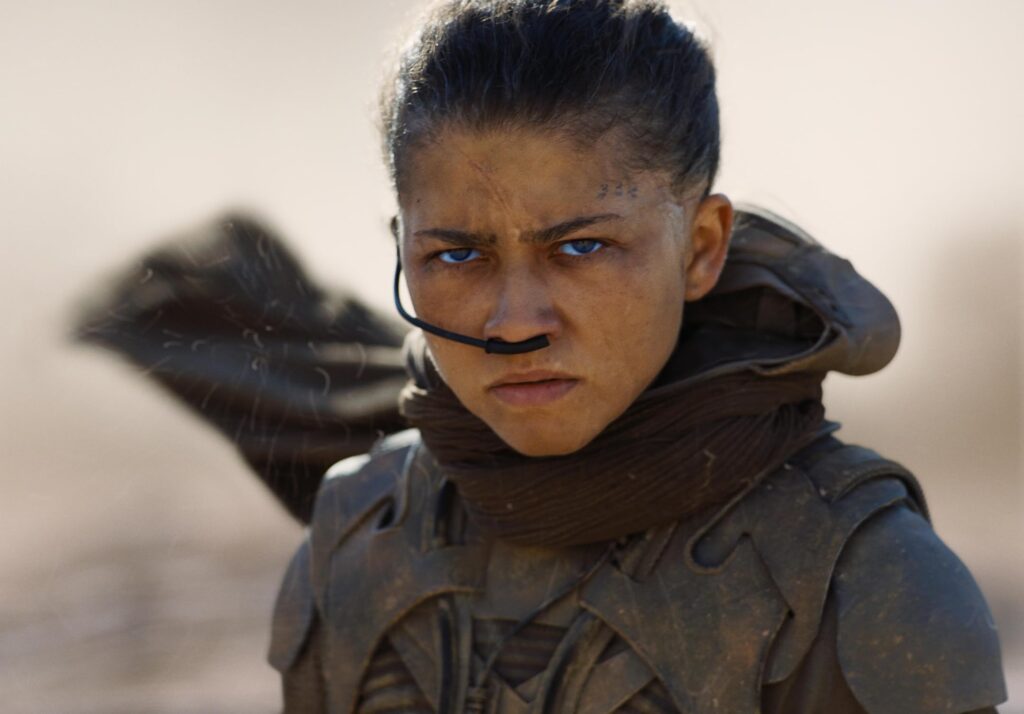
The battle for screens has become particularly intense regarding IMAX. Villeneuve shot significant portions of Dune Part 3 on IMAX film cameras—a first for his career—and secured an exclusive three-week IMAX release for his film, meaning Avengers: Doomsday will be the first Avengers film without IMAX availability. This is a significant blow to Disney, as IMAX showings command premium ticket prices and generate higher per-screen averages. Robert Downey Jr. returning as Doctor Doom will have to settle for Dolby, D-Box, and 4DX formats while Timothée Chalamet’s Paul Atreides commands the biggest screens in the world.
Disney’s counter-strategy involves targeting 322 chain-specific premium formats worldwide that offer “close to an IMAX experience without the huge screen”. These venues can accommodate more showings per day than IMAX, potentially offsetting the lower ticket prices with higher volume. Marvel is also betting on walk-up traffic—audiences who decide to see a movie on a whim rather than buying tickets weeks in advance. IMAX tickets for Dune Part 3 have been on sale for weeks, suggesting a front-loaded opening weekend, while Doomsday may have stronger legs as casual viewers stroll up to theaters.
The demographic overlap is substantial and problematic for both films. Unlike Barbenheimer, where Barbie appealed to women and young girls while Oppenheimer drew older men and history buffs, Dune and Avengers target similar audiences: male-skewing, fan-heavy, genre-committed viewers who are likely to want to see both films. This isn’t counter-programming; it’s direct competition for the same eyeballs. Theater owners are thrilled at the prospect of sell-out weekends but worried about capacity constraints, with many planning to run both films around the clock while potentially crushing Jumanji 3, which opens a week earlier.

The cast rosters read like a census of working actors. Dune Part 3 features Timothée Chalamet, Zendaya, Robert Pattinson, Florence Pugh, Anya Taylor-Joy, Jason Momoa, Javier Bardem, Josh Brolin, and Rebecca Ferguson. Doomsday counters with Robert Downey Jr., Chris Evans, Chris Hemsworth, Paul Rudd, Anthony Mackie, Pedro Pascal, Ian McKellen, Patrick Stewart, and Channing Tatum. Florence Pugh appears in both films, giving her the distinction of competing against herself for box office dominance—a rare feat previously achieved only by Hugo Weaving in 2003 when he appeared in both The Matrix Revolutions and The Lord of the Rings: The Return of the King.
The financial stakes couldn’t be higher. Doomsday reportedly carries a half-billion-dollar budget, making it one of the most expensive films ever produced. It needs massive theatrical returns to break even. Dune Part 3, while less expensive, represents the conclusion of Villeneuve’s trilogy and the validation of his vision—artistic stakes that translate to financial pressure when the budget likely exceeds $200 million. Both studios have positioned these films as “true event motion pictures,” which means neither can afford to look like the loser in this showdown.
The Barbenheimer phenomenon of 2023 proved that two major films opening simultaneously can create a cultural event that benefits both, driving total box office higher than either would achieve alone. But Barbenheimer worked because the films were different enough that audiences could justify seeing both. Dunesday offers no such easy distinction—both are epic, effects-heavy, male-skewing blockbusters about chosen ones confronting impossible odds. Audiences will have to choose, and that choice will determine which franchise maintains dominance as we enter the late 2020s.
Choose your side—see both Dune Part 3 and Avengers Doomsday in theaters December 18, 2026, and be part of cinematic history on Dunesday.
Also Read: Lord of the Rings Trilogy Production Budget $281 Million Breakdown Analysis