
You can spend eight hours watching Wonder Man, scrolling through every frame, reading the credits twice, and consulting Marvel wikis until your eyes bleed, and you still won’t find a traditional supervillain. There’s no masked antagonist. No evil scheme to destroy the world. No CGI monster threatening to open a portal over Los Angeles. Instead, the show presents you with Arian Moayed’s Agent P. Cleary—a mid-level bureaucrat from the Department of Damage Control who really wants Simon Williams to sign some paperwork—and expects you to accept this as sufficient dramatic tension.
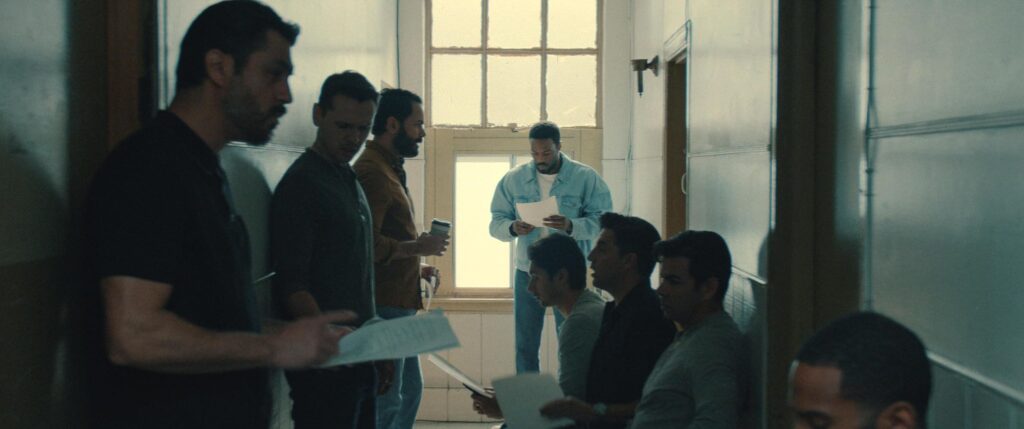
The internet has been losing its collective mind trying to solve a mystery that was never actually hidden. “Who is the villain?” becomes less a question of plot and more a question of genre expectations. We’re so trained by decades of superhero storytelling to expect a final boss battle that when Marvel delivers a show about an actor trying to land a role while hiding his superpowers, our brains short-circuit. We keep waiting for the reveal, the twist, the moment when the Hollywood satire drops away to reveal the cosmic threat underneath.

It never comes. The closest thing Wonder Man has to a main antagonist is bureaucracy itself. Cleary represents the Doorman Clause—a regulation banning superpowered individuals from working in Hollywood—which creates professional obstacles for Simon but hardly qualifies as world-ending stakes. He’s not trying to kill anyone. He’s not building a doomsday device. He just wants Simon to register his abilities and stop making his job difficult.
This confusion stems from Marvel’s own marketing. The trailers promise action, superpowers, the Marvel Spotlight banner suggesting something significant. What they don’t advertise is that this is essentially The Player meets Entourage with occasional ionic energy blasts. Simon’s struggle isn’t against a villain; it’s against casting directors, his own self-doubt, and the impossible standards of an industry that rejects him for being “too super.”

The brilliance of this approach—or the frustration, depending on your patience level—is how it subverts the very concept of superhero stories. Wonder Man asks whether surviving Hollywood might actually require more courage than fighting aliens. Simon Williams doesn’t need to punch Thanos to prove his heroism; he needs to survive an audition, navigate a toxic friendship with Trevor Slattery, and somehow pay rent in Los Angeles while his agent considers dropping him.
By the finale, when viewers realize the “villain” was internal all along—Simon’s fear of his own power, his guilt over his past, his inability to trust connection—the show has either cemented itself as a bold reinvention of the genre or a massive bait-and-switch, depending on which subreddit you ask.
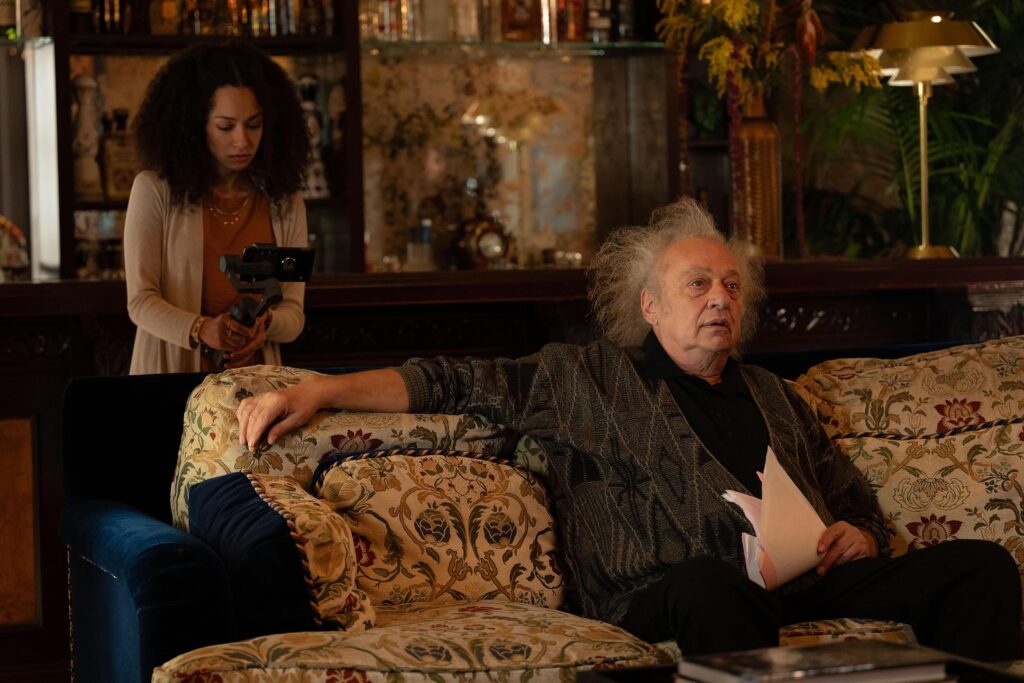
The Department of Damage Control doesn’t explode. Agent Cleary doesn’t reveal himself as a Skrull or a HYDRA agent or the Hood. He just… does his job. And Simon Williams becomes a hero not by defeating him, but by finally understanding that power means responsibility to yourself first.
Stop searching for the villain—stream Wonder Man Season 1 on Disney+ and discover why the real threat was Hollywood all along.
Also Read: Jude Law Is Playing Putin’s Propagandist and the Trailer Is Already Terrifying