
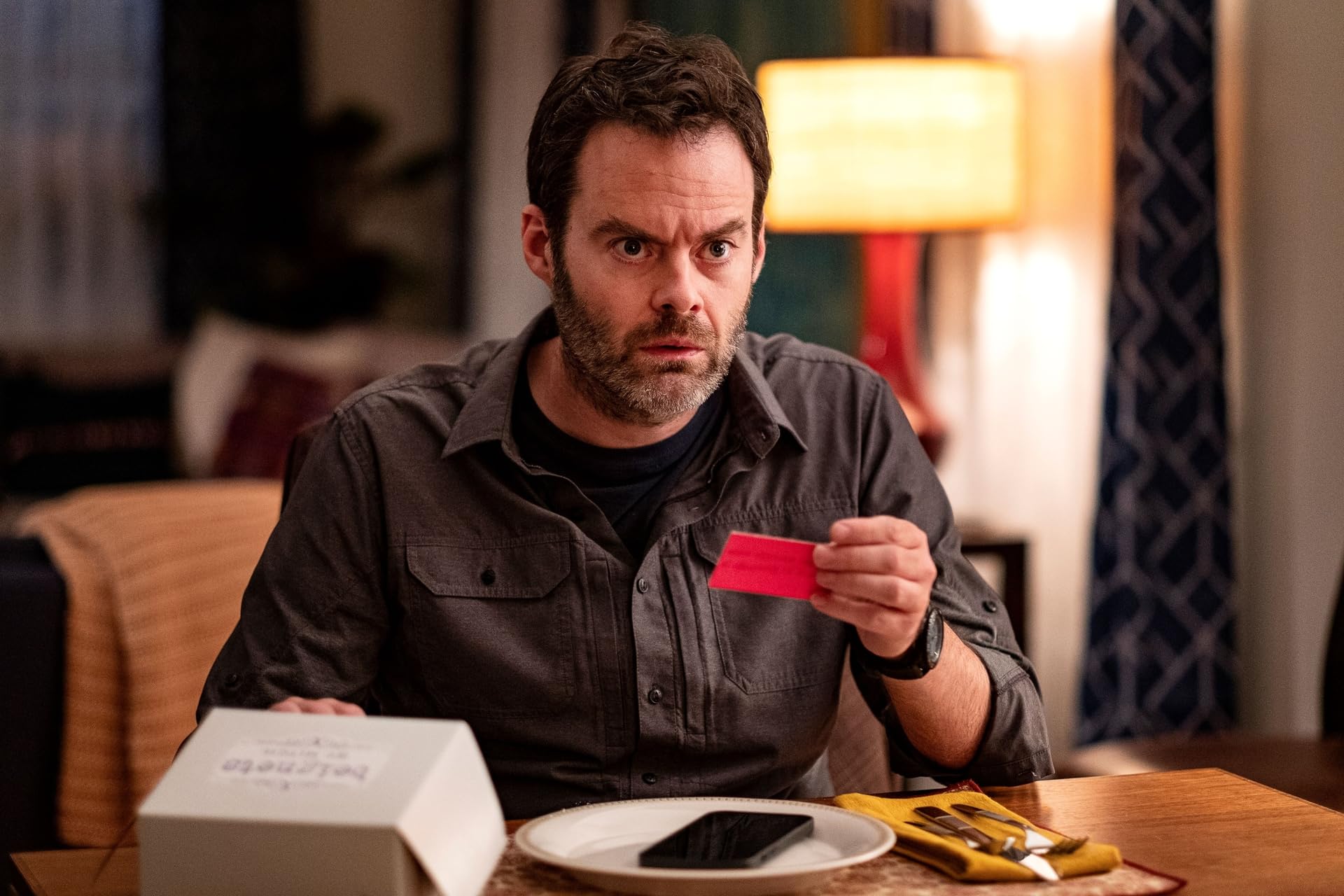
There’s a specific type of television that makes you laugh until your stomach hurts and then leaves you staring at the ceiling at 3 a.m. questioning whether you’re a good person. Barry occupies that exact niche—a half-hour HBO series that somehow combines hitman drama, acting class satire, and the most effective meditation on PTSD ever broadcast by a premium cable network.
Bill Hader, formerly known as that guy who did the Italian talk show host on Saturday Night Live, created and stars as Barry Berkman, a depressed ex-Marine turned contract killer who discovers an acting class while stalking a target and decides he wants to change careers. This is not a metaphor. This is literally the plot. And somehow, over four seasons, it becomes one of the most profound explorations of whether people can actually change or if they’re just performing versions of themselves until they die.

The genius of Barry lies in its tonal whiplash. One minute you’re watching a slapstick sequence involving a Chechen mobster named NoHo Hank—played by Anthony Carrigan with the energy of a golden retriever who just discovered cocaine—trying to organize a coup with theatrical flair. The next minute, you’re watching a character process the psychological weight of having killed dozens of people, and the show has the audacity to make you feel genuine empathy for a mass murderer.
Henry Winkler co-stars as Gene Cousineau, the acting coach who becomes Barry’s reluctant mentor and eventual victim, delivering a performance that reminds you why he won an Emmy. Stephen Root plays Fuches, Barry’s handler, with the sniveling desperation of a man who knows he’s created a monster but can’t afford to lose his meal ticket. And Sarah Goldberg as Sally Reed, Barry’s love interest and fellow aspiring actor, creates one of the most fascinatingly unlikable female characters on television—a narcissist who genuinely believes her suffering is more important than everyone else’s, including the hitman’s.

But this is Hader’s show, and he operates it like a precision instrument. His direction—yes, he directs many episodes—alternates between wide, lonely shots of Los Angeles that make the city look like a purgatory and claustrophobic close-ups where you can see the exact moment a character realizes their life has gone wrong. The violence, when it comes, is sudden and ugly, never stylized, never cool. Barry doesn’t want you to enjoy the action; it wants you to feel the consequences.

The show asks a deceptively simple question: can a bad person become good through sheer force of will? Barry wants to be an actor because acting allows him to feel emotions he can’t access in his real life. He wants to play characters who have normal problems, who fall in love and have families and don’t wake up screaming. But the show understands that you can’t compartmentalize violence—that the skills that make Barry an effective killer (patience, observation, the ability to mimic human behavior) are the same skills that make him a compelling performer, and both are rooted in trauma he refuses to process.
By the final season, Barry has transformed from a dark comedy into something closer to a Greek tragedy, with Hader directing episodes that feel like short films. The finale, which I won’t spoil, divides viewers but confirms that Hader was never interested in giving us the comfort of redemption. He was interested in the truth about people who damage other people and then wonder why their lives feel empty.
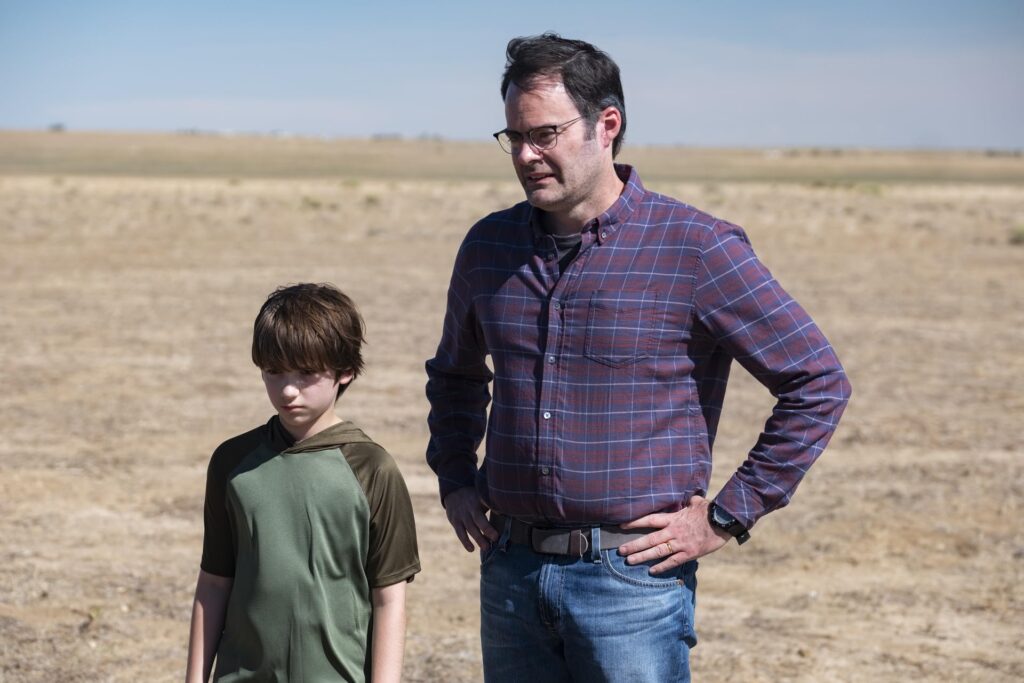
So is Barry worth watching? If you want comfort television, absolutely not. If you want to see what happens when a comedic genius decides to explore the darkest corners of human behavior with the same precision he once used to impersonate Al Pacino, then yes. Just don’t expect to sleep well afterward.
Take the plunge—stream all four seasons of Barry on HBO Max and discover why Bill Hader’s dark masterpiece is considered one of the best shows of the decade.
Also Read: Euphoria Season 3 Has Descended Into Something We Can’t Look Away From