
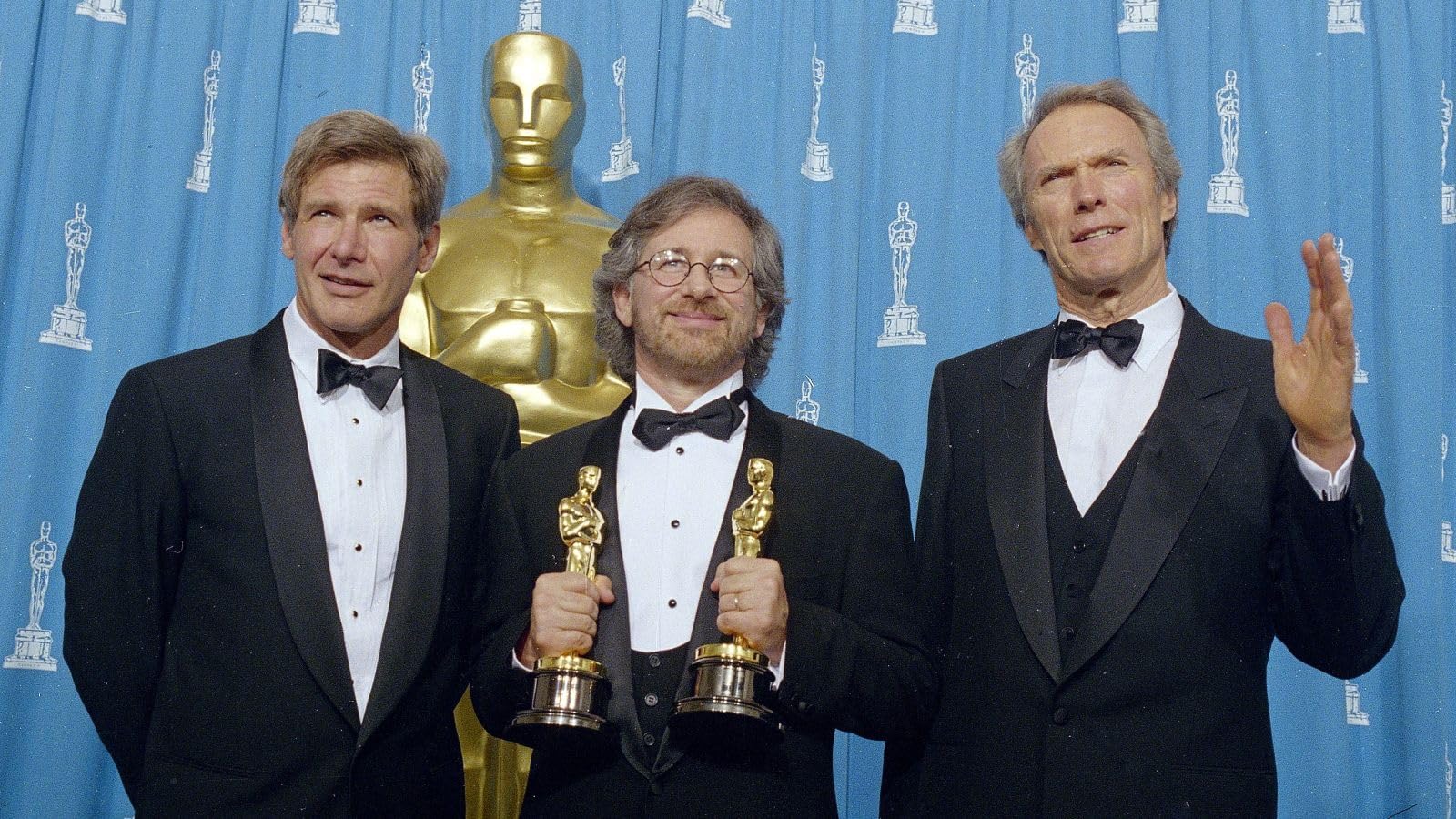
Steven Spielberg marched into CinemaCon this week with the energy of a man who has seen the future and found it deeply disappointing. Standing before an audience of theater owners, studio executives, and industry professionals in Las Vegas, the most commercially successful director in history delivered a warning that bordered on an intervention: if Hollywood doesn’t start investing in original stories, the entire industry will “run out of gas.”
This is not the kind of thing you expect to hear at a convention designed to sell popcorn and projector bulbs. CinemaCon is traditionally where studios parade their upcoming slates of sequels, reboots, and franchise entries designed to keep multiplexes humming through the summer. It’s where Marvel shows off its next phase, where Fast and Furious promises more family and more furiousness, where intellectual property reigns supreme and risk is a four-letter word.
Spielberg looked at this ecosystem and essentially said: nice business model, shame if something happened to it.
His argument is simple and devastating. Franchises and reboots can only sustain the industry for so long before audience fatigue sets in and creativity calcifies. Without original stories, without new voices telling new tales about the human condition, movies become theme park rides—thrilling in the moment, completely forgettable afterward. And Spielberg would know.
He’s made his share of franchises, from Jaws to Jurassic Park to Indiana Jones. But he’s also made E.T., Schindler’s List, Saving Private Ryan, and The Fabelmans—films that exist because someone had a story that needed telling, not because a corporate spreadsheet demanded quarterly content.
To drive his point home, Spielberg debuted the trailer for his own new original film, Disclosure Day, an alien conspiracy thriller that seems to channel the paranoia of 1970s cinema through a modern lens. It’s exactly the kind of mid-budget, director-driven genre film that studios used to make regularly and now treat like an endangered species.
The trailer reportedly features eerie, atmospheric imagery that suggests Close Encounters of the Third Kind by way of Sicario—government cover-ups, unexplained phenomena, and ordinary people caught in extraordinary circumstances.
The irony of Spielberg delivering this message at CinemaCon is thick enough to cut with a knife. This is a man whose entire career was built on the blockbuster model he more or less invented with Jaws. He created the summer movie season. He pioneered the merchandising tie-in. He is the architect of the franchise era he’s now warning against. But perhaps that’s exactly why his words carry weight. When the man who invented the modern blockbuster tells you the model is broken, you listen.
The industry has reached an inflection point. 2025 was littered with high-profile franchise disappointments—movies that cost $200 million and barely made their money back, that opened to empty theaters and vanished from cultural conversation within weeks. Audiences are voting with their wallets, and increasingly they’re voting for fresh ideas. The success of films like Sinners and Project Hail Mary suggests that originality isn’t dead; it’s just been starved for oxygen by an ecosystem obsessed with safe bets.
Spielberg’s warning isn’t just about artistic integrity; it’s about survival. An industry that only knows how to repackage the past has no future. Theatrical exhibition depends on events, on reasons to leave the house, on the promise that what you’ll see cannot be replicated on your phone during your commute. Original stories create that urgency. Franchises create homework.
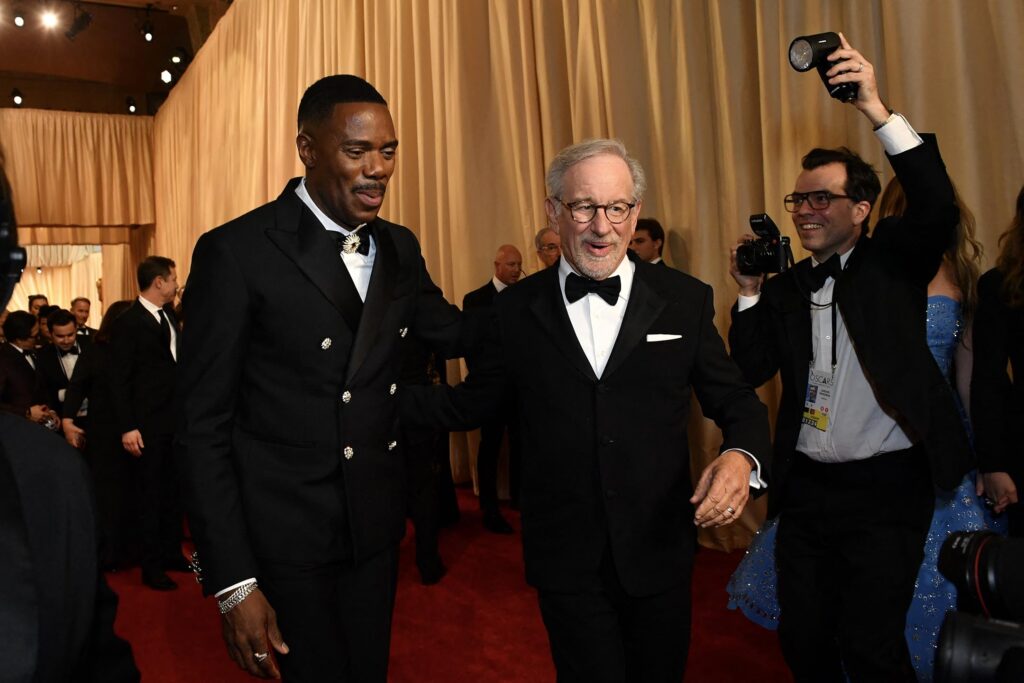
The question is whether anyone in that Vegas ballroom was actually listening, or whether they were too busy scheduling the next reboot to notice the architect of their business telling them to change course before the gas tank hits empty.
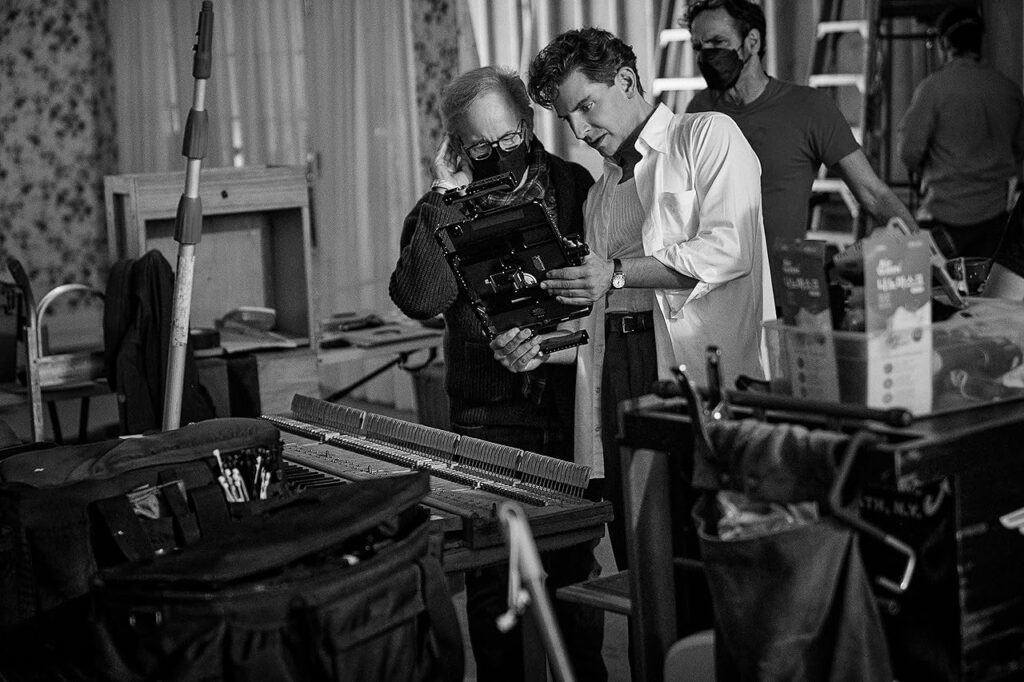
Support original cinema—keep an eye out for Disclosure Day and choose original stories over recycled franchises whenever you can.
Also Read: The Batman Part II Just Recruited the Most Intimidating Father Figure in Television History