
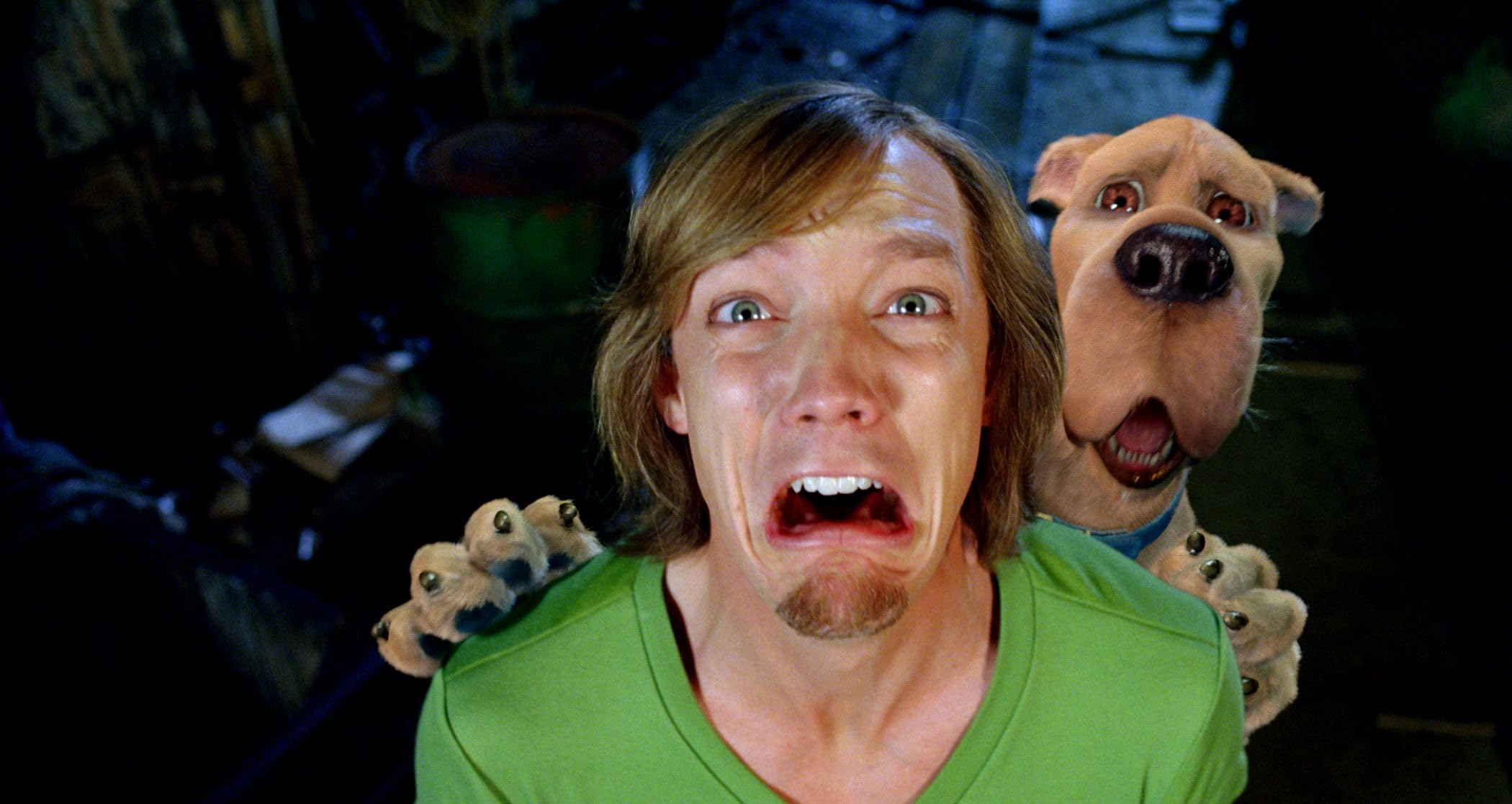
Matthew Lillard has built a career on being the guy who seems like he’s having more fun than anyone else in the room. From Stu Macher’s gleeful psychosis in Scream to Shaggy’s eternal hunger in Scooby-Doo, he’s the chaotic energy that keeps horror and comedy from taking themselves too seriously. So when he starts talking about nostalgia, you expect him to embrace it fully—to wrap himself in the warm blanket of 90s slasher nostalgia and never leave.
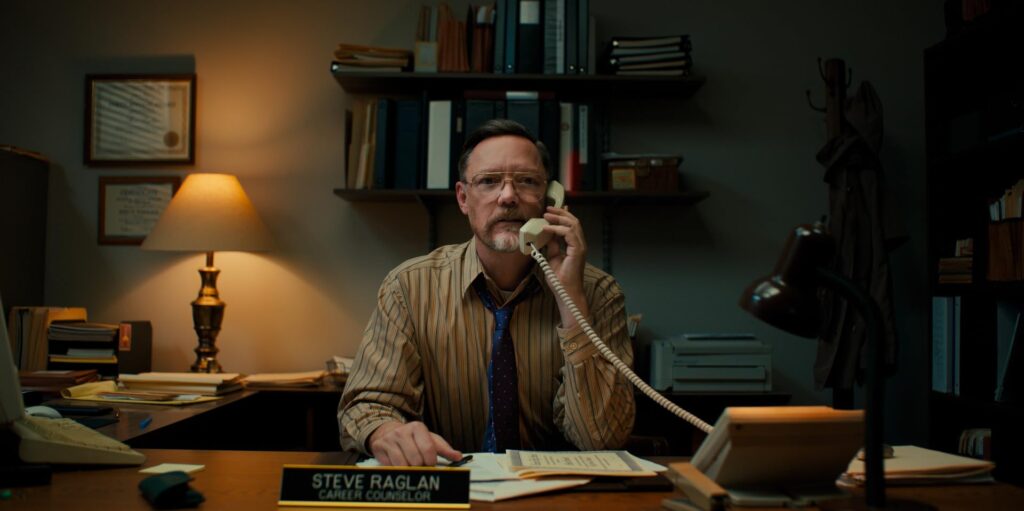
Instead, he calls it one of the biggest traps in modern cinema.
Lillard has watched the horror genre evolve from practical effects and original concepts to an endless recycling of IP, where every beloved property gets rebooted, reimagined, or dragged back from the grave for one more paycheck. He’s been part of that machine—he returned to the genre in Five Nights at Freddy’s, playing a villain with the same charming menace that made Stu Macher iconic. But he’s also been around long enough to see the difference between honoring the past and being imprisoned by it.
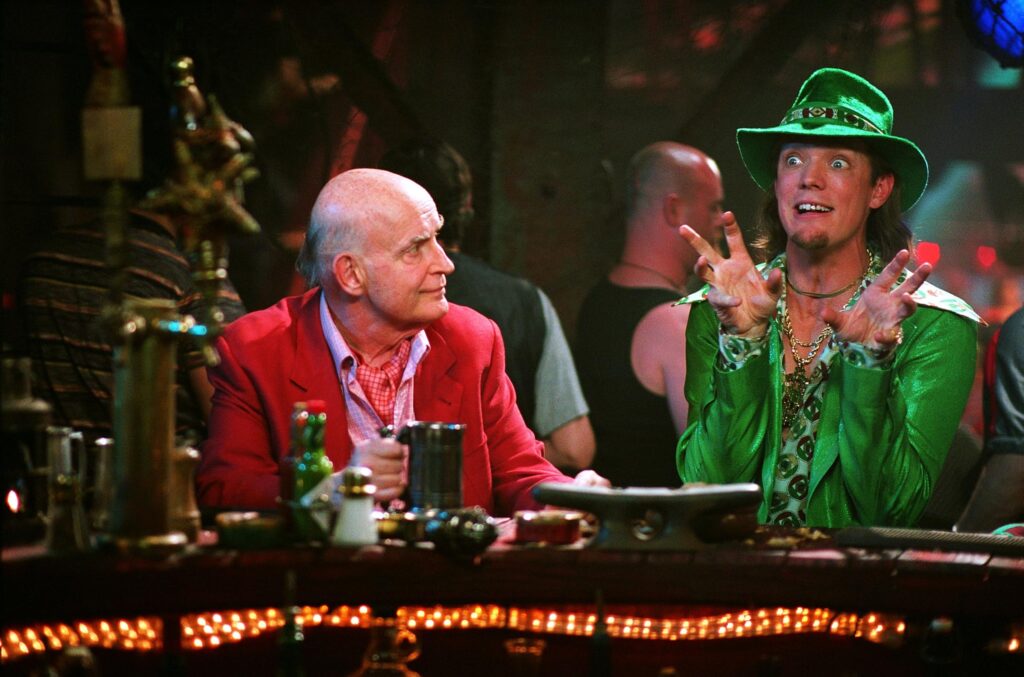
The problem with nostalgia, according to Lillard, is that it tricks audiences into accepting mediocrity. We see a familiar title, a familiar face, a familiar mask, and our brains light up with recognition. We confuse that recognition with quality. We forgive lazy writing because it reminds us of better writing. We accept flat characters because they wear the same costume as characters we loved. It’s emotional manipulation disguised as fan service, and Lillard is too smart to fall for it.
But here’s the thing—he still loves the stuff that made him nostalgic in the first place. He’ll talk about Wes Craven’s genius for hours. He’ll defend the absurdity of Thirteen Ghosts with genuine affection. He understands that nostalgia isn’t inherently evil; it’s just dangerous when it becomes the entire business model. The best horror, he argues, comes from filmmakers who respect the past but aren’t afraid to invent something new.
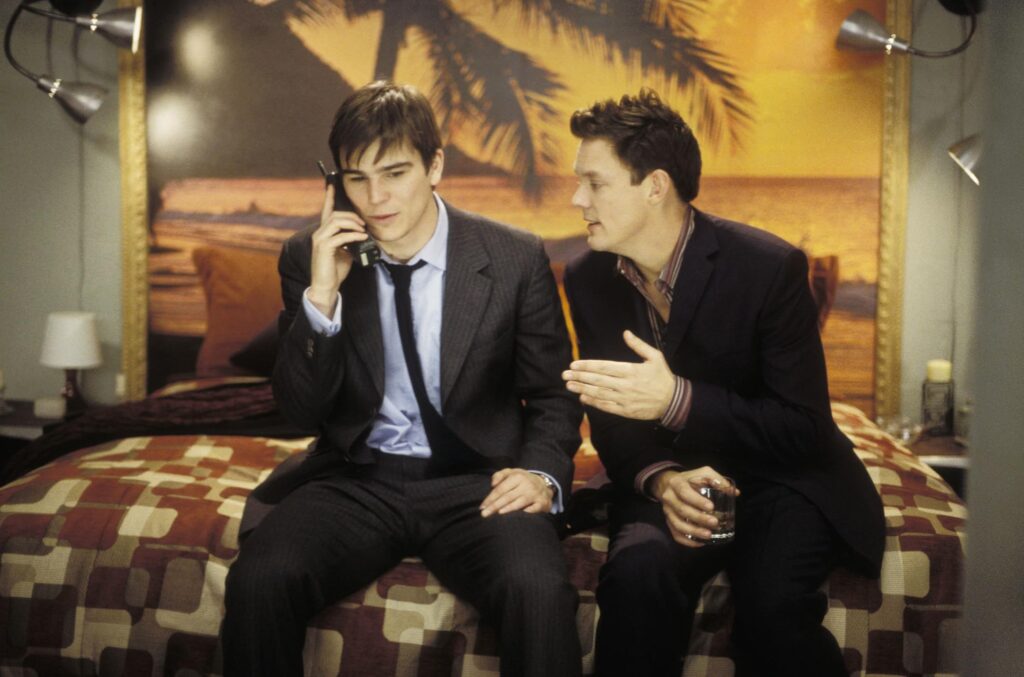
Lillard’s own career trajectory proves his point. After Scream made him a household name, he could have spent the next decade playing variations on Stu Macher. Instead, he did Scooby-Doo, The Bridge to Terabithia, Good Girls, and eventually found a second act as a beloved character actor who pops up in everything from indie darlings to blockbuster video game adaptations. He didn’t let one role define him, and he doesn’t let one era define the genre.
When he talks about the current state of horror, there’s a note of sadness beneath the enthusiasm. He misses the era when studios took risks on unknown directors with weird ideas. He misses when a horror movie could be a surprise hit instead of a calculated brand extension. But he’s also hopeful, because every generation produces filmmakers who break the mold—who use nostalgia as a starting point rather than a destination.
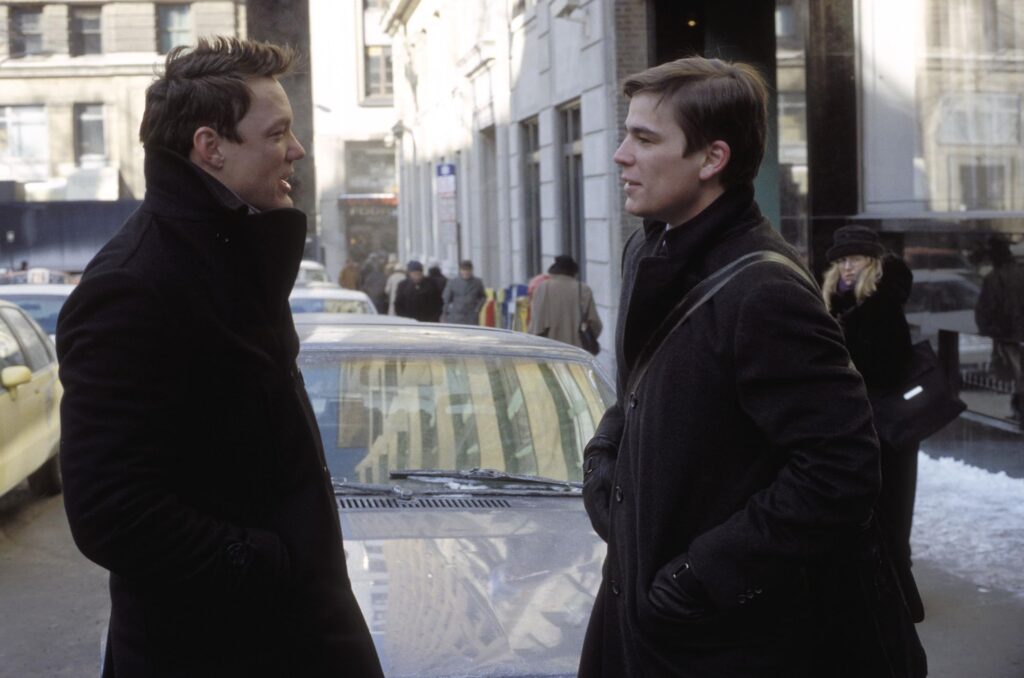
Matthew Lillard has earned the right to be cynical. He’s been in this business for three decades. He’s seen the trends come and go. But he chooses optimism instead, because at its best, horror is about confronting fear and coming out the other side changed. That’s a mission worth fighting for, even if you have to fight through a sea of reboots to get there.
Rewind the terror—stream Scream (1996) and Five Nights at Freddy’s to see Matthew Lillard at his most memorably unhinged.
Also Read: Tom Cruise and His Son Connor