
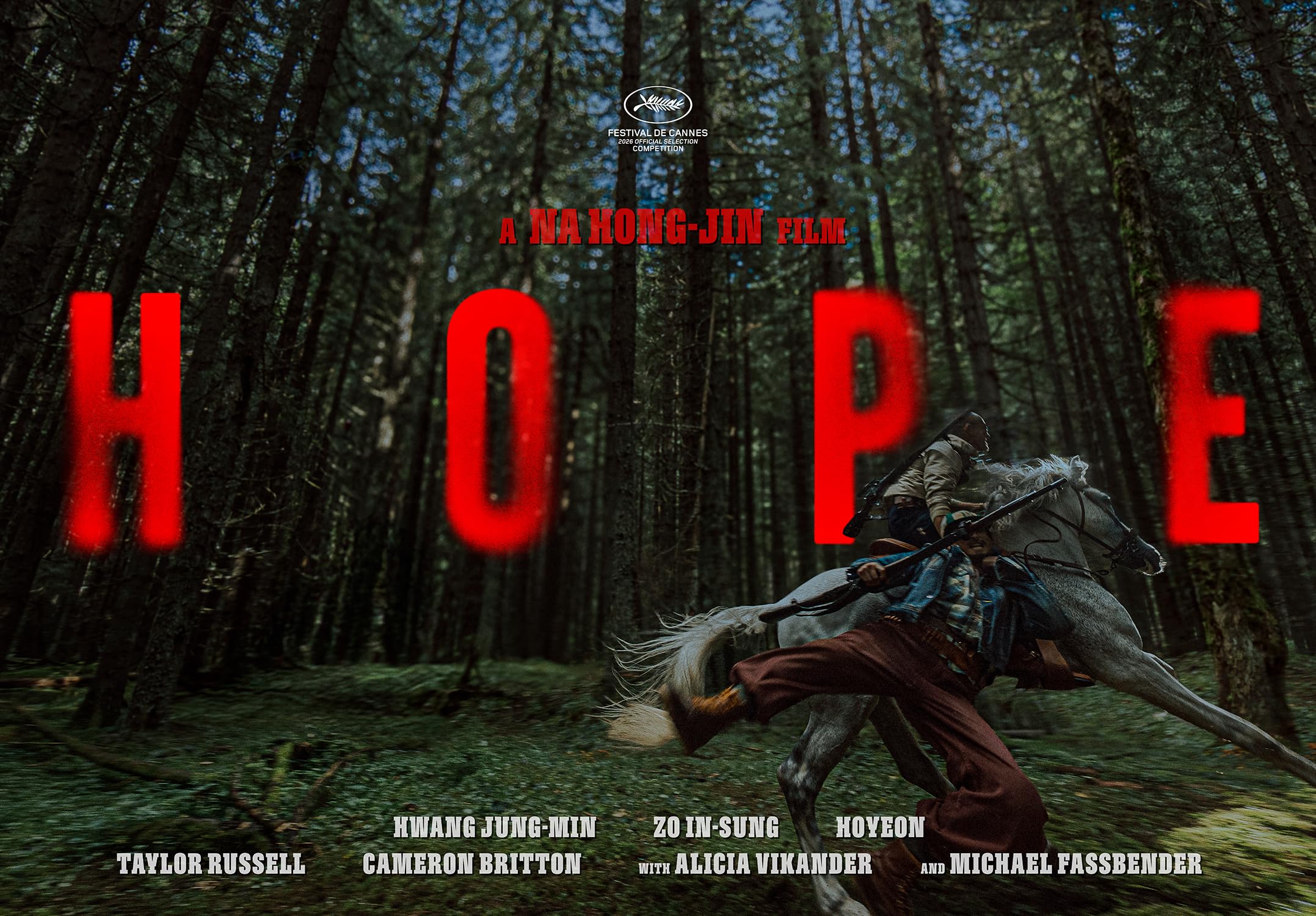
Korean sci-fi is having a moment, and Hope might be its most ambitious entry yet. Director Na Hong-jin, the twisted genius behind The Wailing, has spent nearly a decade crafting a film that starts with a tiger sighting near Korea’s Demilitarized Zone and ends with extraterrestrials. It’s the kind of genre whiplash that only Korean cinema can pull off with a straight face.
Hope takes place in the remote village of Hope Harbor, a fictional community near the heavily fortified border between North and South Korea. When local youths report seeing a tiger in the hills, police chief Bum-seok investigates, only to discover something far stranger than any jungle cat. The tiger is just the beginning. The real threat comes from above, and it doesn’t have stripes.
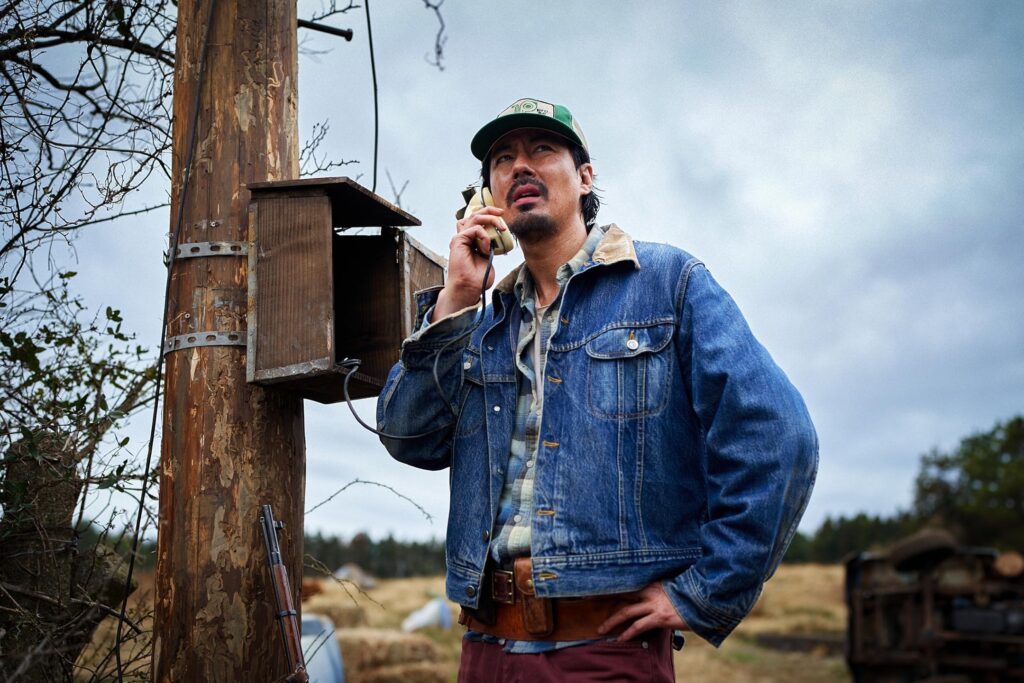
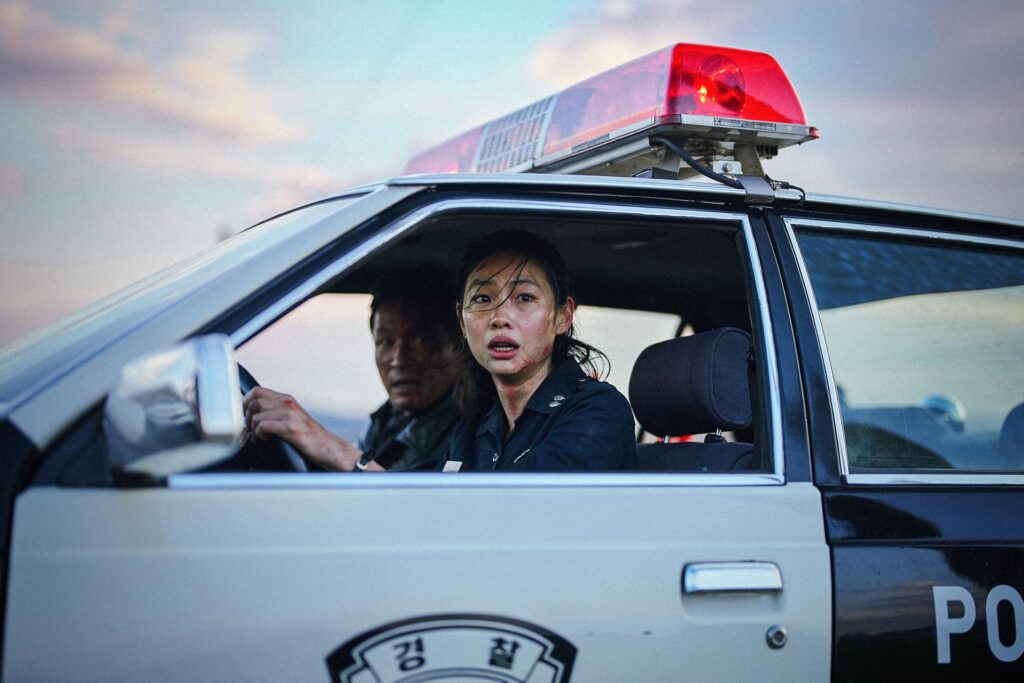
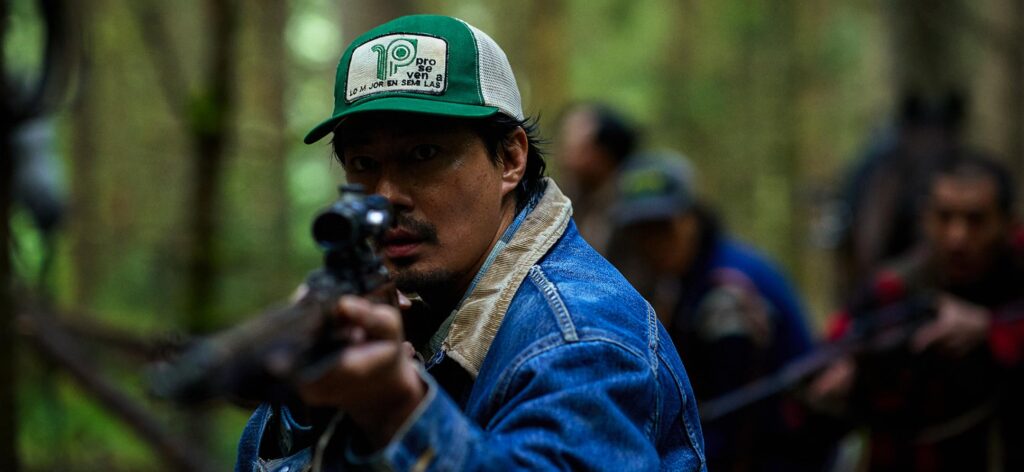
The cast is a deliberate collision of Korean and Hollywood talent. Hwang Jung-min, reuniting with Na after The Wailing, plays Bum-seok with the weathered gravitas of a man who has seen too much. Zo In-sung is Sung-ki, a headstrong local who tracks the creature into the forest. Jung Ho-yeon of Squid Game fame makes her feature film debut as Sung-ae, a rookie officer navigating a crisis that exceeds her training. And then there are the aliens—played by Michael Fassbender, Alicia Vikander, Taylor Russell, and Cameron Britton—who arrive in Hope Harbor and accelerate the town’s unraveling.
What makes Hope fascinating is how it uses the DMZ setting as both literal location and metaphorical pressure cooker. The Demilitarized Zone is already a place of tension, a strip of land where two nations face each other across barbed wire and propaganda loudspeakers. Adding extraterrestrials to this powder keg creates a narrative where the unknown threat from space mirrors the known threat across the border. Na Hong-jin has always been interested in how evil moves through communities—The Wailing was about demonic possession as a contagion—and Hope appears to extend that fascination to cosmic horror.

The film reportedly carries one of the biggest budgets ever committed to a Korean feature, with estimates north of $50 million. That’s a massive leap from The Wailing’s $6 million budget, and it shows in the scale. Principal photography took place in both Korea and Romania, with sequences shot in Retezat National Park standing in for the DMZ wilderness. Cinematographer Hong Kyung-pyo, who shot Parasite and Burning, brings his signature visual poetry to the sci-fi genre.
Hope is headed to the Cannes Film Festival’s main competition, where it will compete for the Palme d’Or. It’s the first Korean title in the main competition since Park Chan-wook’s Decision to Leave in 2022, and the anticipation among festivalgoers is palpable. Na has described the project as potentially spawning a franchise, suggesting that the Hope Harbor mystery might be just the beginning of a larger story.
For fans of Korean sci-fi, Hope represents the next evolution. After Train to Busan proved that Korean genre films could dominate globally, and after Squid Game conquered Netflix, Hope aims to bring Korean filmmaking to the biggest international stage. With Fassbender and Vikander leading the Hollywood contingent, it’s a film designed to cross borders—fitting, given its subject matter.
The question is whether Na can maintain his signature intensity while working with a larger canvas and international stars. The Wailing worked because it felt intimate even when dealing with cosmic evil. Hope, by its nature, is bigger. But if anyone can ground alien invasion in emotional reality, it’s the director who made a shamanic exorcism feel like a family tragedy.
Prepare for contact—catch Hope in theaters summer 2026 and witness Korean sci-fi reach for the stars.