
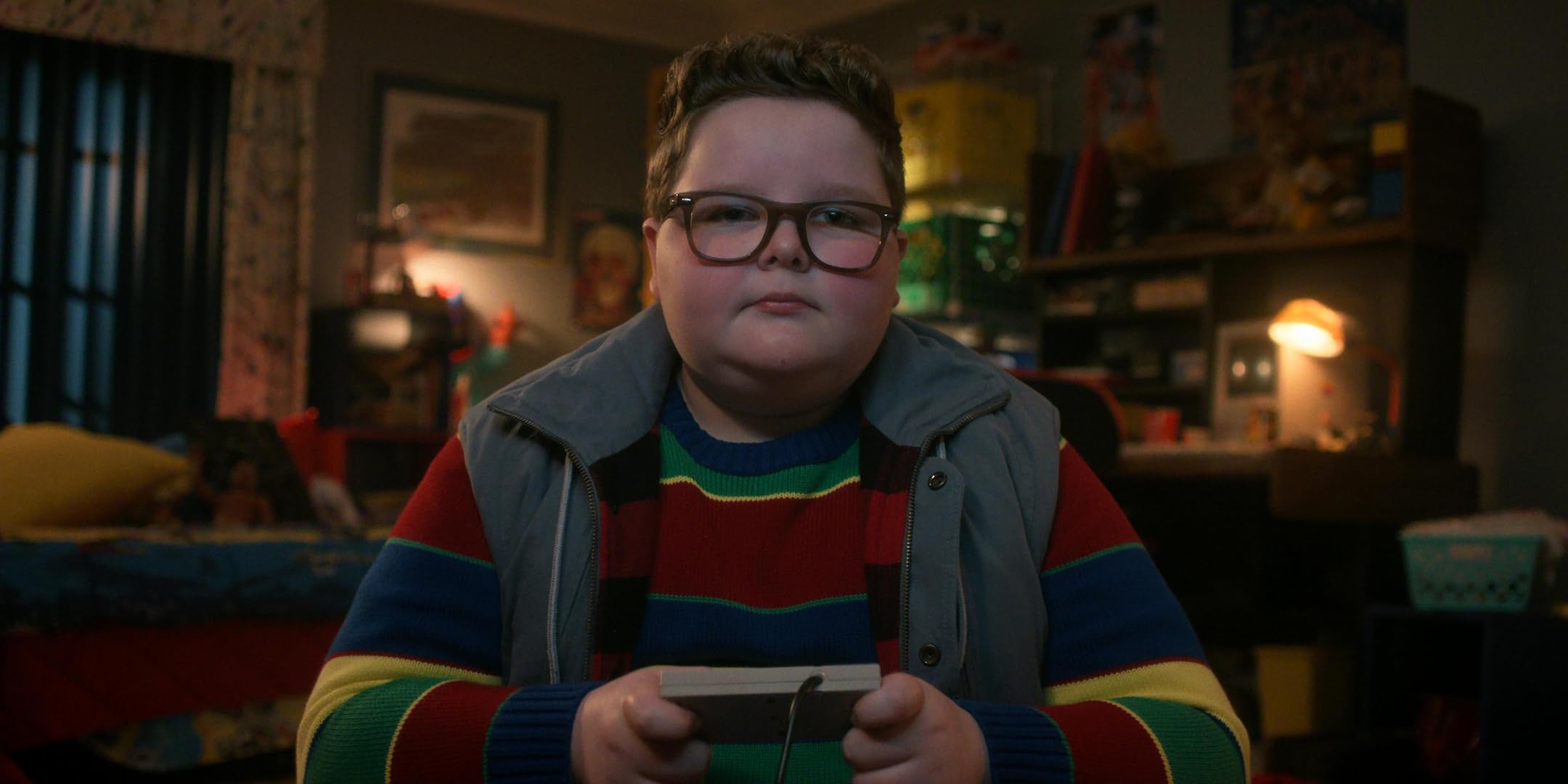
Stranger Things was scarier when the stakes were small, and that’s not nostalgia talking. The first season of Netflix’s breakout hit worked because it understood that horror is most effective when it’s intimate. A missing boy. A desperate mother. A group of kids on bikes trying to find their friend. These were the stakes in Season 1, and they felt enormous because they were personal.
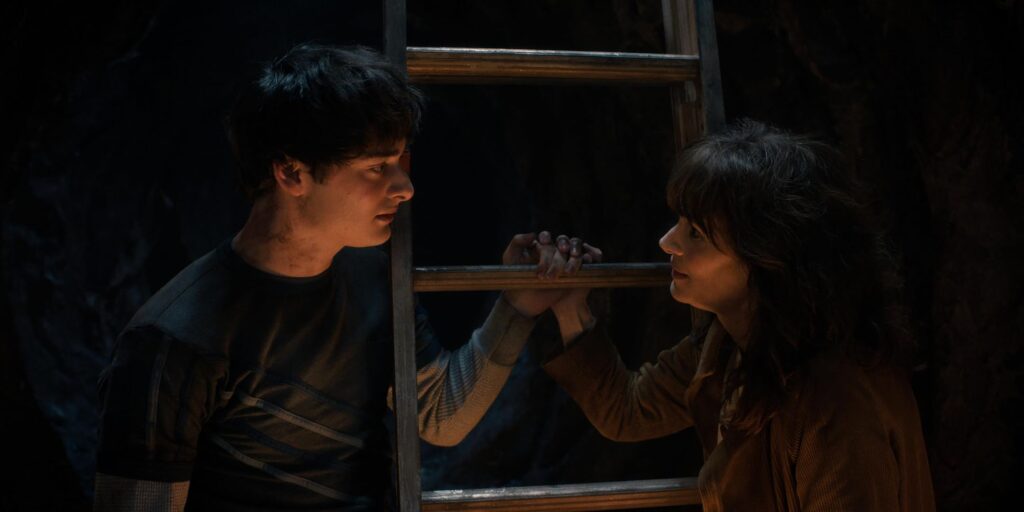
Stranger Things has grown exponentially since 2016, expanding its scope to include Russian conspiracies, interdimensional wars, and a body count that rivals Game of Thrones. But something got lost in the escalation. The Demogorgon was terrifying because we didn’t understand it. The Upside Down was horrifying because it felt like a dark mirror of our world. When Eleven flipped a van with her mind, it was shocking because she was a child doing impossible things. Now the show operates on a scale where entire cities are at risk, and the horror has become… comfortable.
Season 1’s power came from restraint. Will Byers disappeared into a dimension we barely understood. Joyce communicated with him through Christmas lights, a sequence so simple and effective that it became iconic. The kids played Dungeons & Dragons, argued about girls, and rode their bikes through suburban streets that felt genuinely unsafe. The monster wasn’t an army; it was one creature, hunting, waiting, existing just beyond the veil.
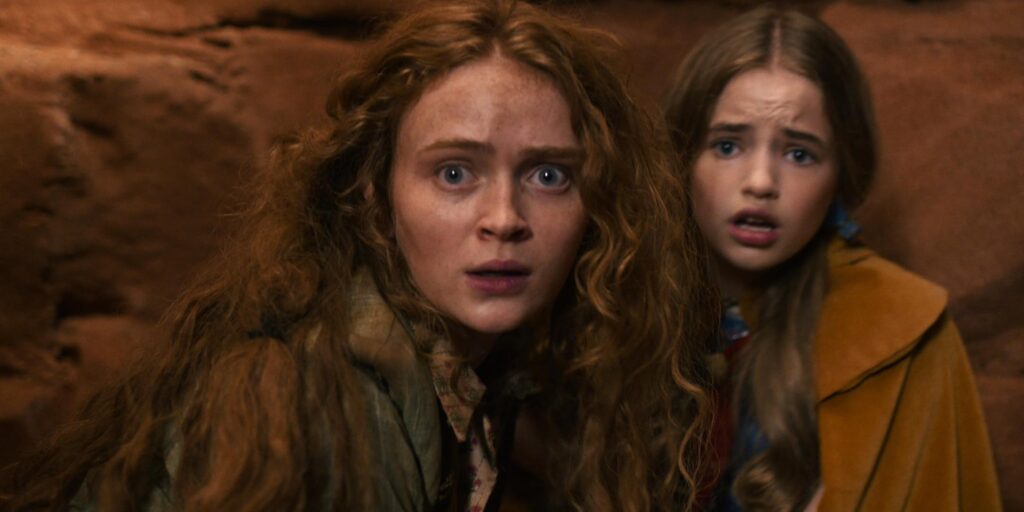
Stranger Things became a phenomenon because it made us care about small-town people facing incomprehensible threats. The stakes were life and death, but they were specific lives and specific deaths. We feared for Will because we knew his family. We feared for Barb because she deserved better than being forgotten by the plot. The horror landed because it violated the safety of the familiar—suburban homes, school hallways, government laboratories that looked like office buildings.
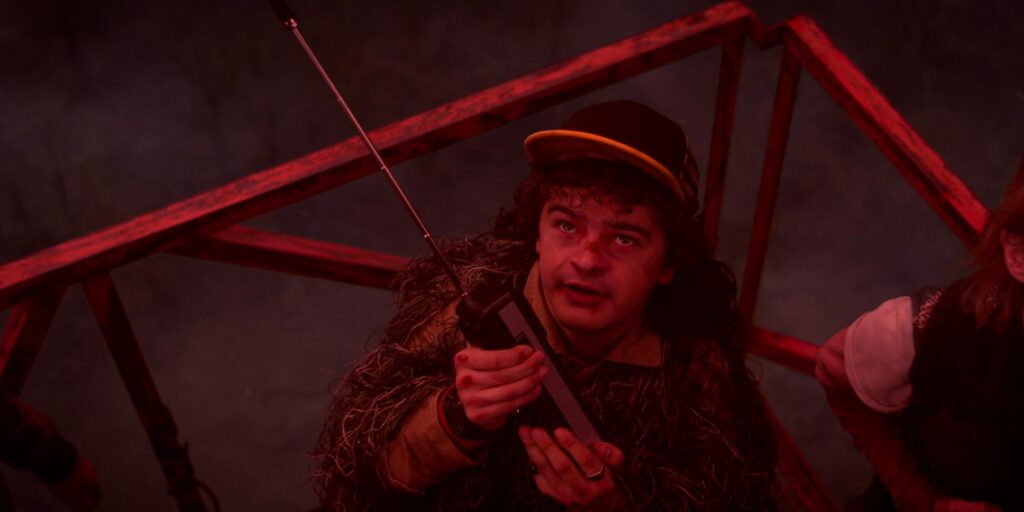
As the seasons progressed, Stranger Things traded intimacy for spectacle. The Mind Flayer became a kaiju. The Russians built secret bases under malls. Characters who started as ordinary kids became superheroic warriors. The show is still entertaining, but it’s no longer scary in the same way. The stakes are too big to feel real, the monsters too numerous to feel special.
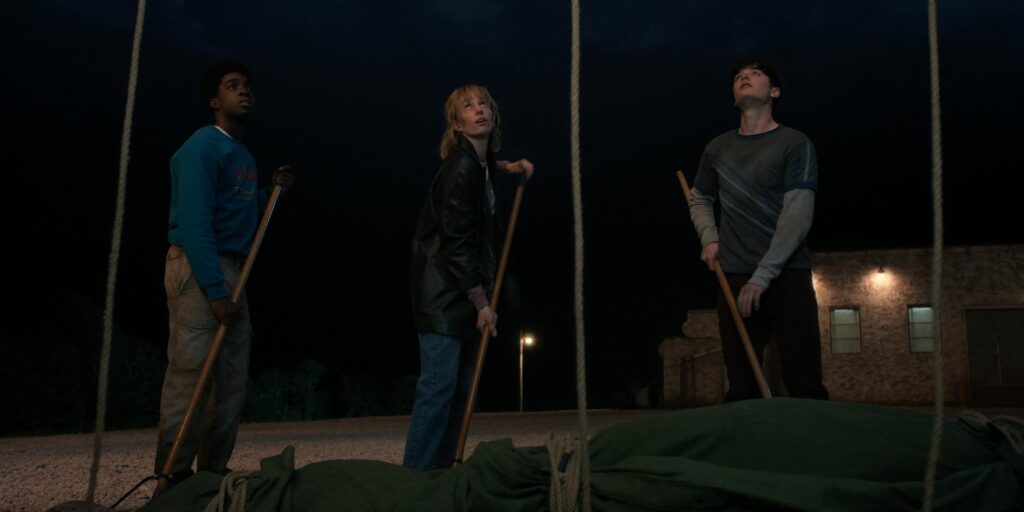
Stranger Things works best when it’s about a group of friends against one monster. The show’s final season promises to return to Hawkins and wrap up the story, hopefully remembering what made us fall in love with it in the first place. Sometimes the scariest thing isn’t the end of the world—it’s losing someone you love in the dark.
Rewatch Stranger Things Season 1 on Netflix and remember when the stakes were small and the scares were huge.
Also Read: Superman Sequel Gets a New Director, Finally