
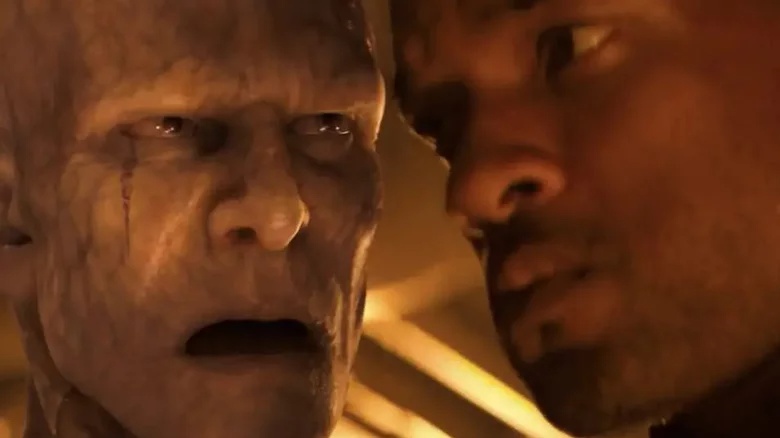
Worst CGI in movies has become the ghost that refuses to leave the room, lingering in our collective memory long after the films themselves have been forgotten. We forgive bad acting, forgive plot holes, forgive dialogue that sounds like it was written by a chatbot having a stroke. But terrible computer-generated imagery sticks in the brain like gum on a theater seat, permanently associated with the moment we realized we were watching something fake.
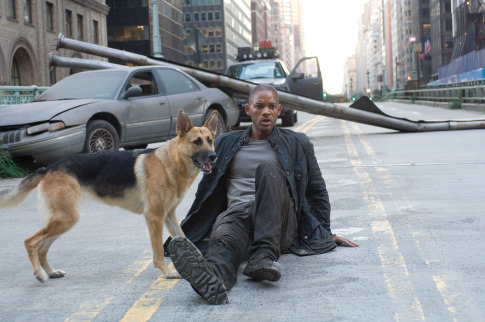
The Black Panther final fight represents a particularly painful entry in the worst CGI in movies catalog. A film that was otherwise visually stunning, culturally significant, and genuinely moving ended with a climax that looked like it was rendered on a Nintendo Wii. T’Challa and Killmonger’s underground battle featured backgrounds so flat, lighting so inconsistent, and character models so weightless that audiences felt like they’d accidentally switched to a video game mid-movie. For a film that had built such meticulous practical world-building in Wakanda, the ending felt like a betrayal by the visual effects team.
Spawn’s devil sequence from 1997 deserves mention in any discussion of worst CGI in movies. The demon Malebolgia, supposed to be terrifying, instead looked like a Muppet that had been left in a microwave. When your hell-lord antagonist resembles something Jim Henson might have rejected for being too silly, your dark superhero movie has a serious problem. The film’s other effects weren’t much better, but that devil specifically became shorthand for early CGI overreach.
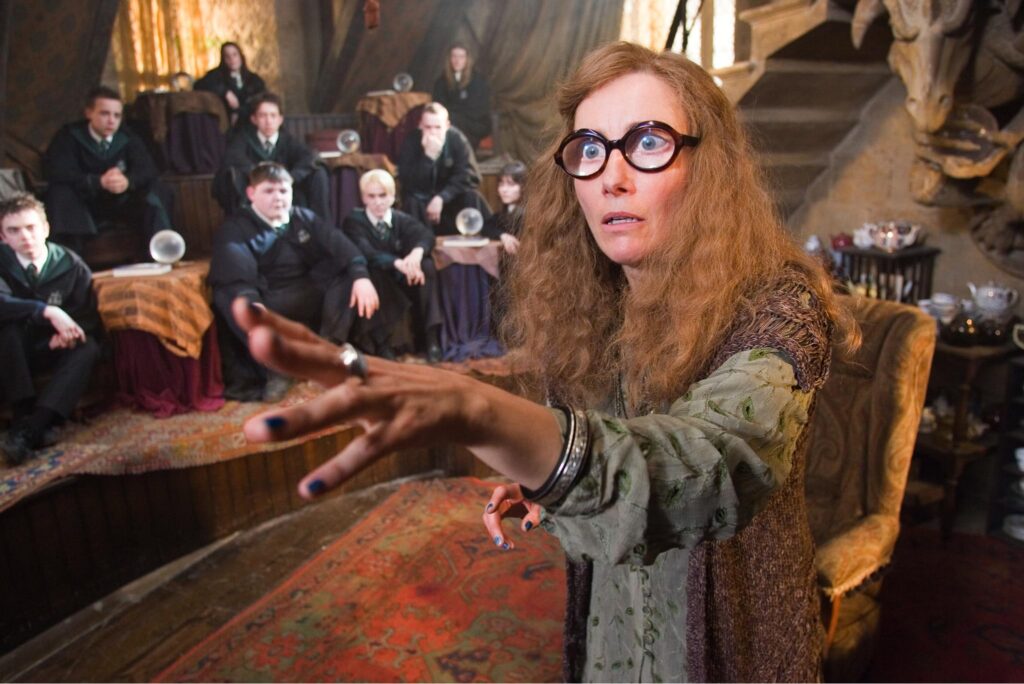
Harry Potter and the Order of the Phoenix somehow managed to produce worst CGI in movies despite having a $150 million budget and four previous films of effects experience. The giant Grawp sequence looked like the production had hired an actual giant, discovered he couldn’t act, and then tried to fix it in post with digital augmentation that made everything worse. The creature’s movements were jerky, his integration with the environment was nonexistent, and his face looked like it was modeled after a potato that had been left in the sun.
The Lawnmower Man, despite being from 1992 when CGI was essentially newborn, remains a fixture in worst CGI in movies discussions because of how aggressively it leaned into technology that couldn’t support its ambitions. Stephen King actually sued to have his name removed from the film, which tells you everything about how well the adaptation worked. The digital sequences that were supposed to represent cyberspace instead looked like someone had spilled neon paint inside a computer monitor.
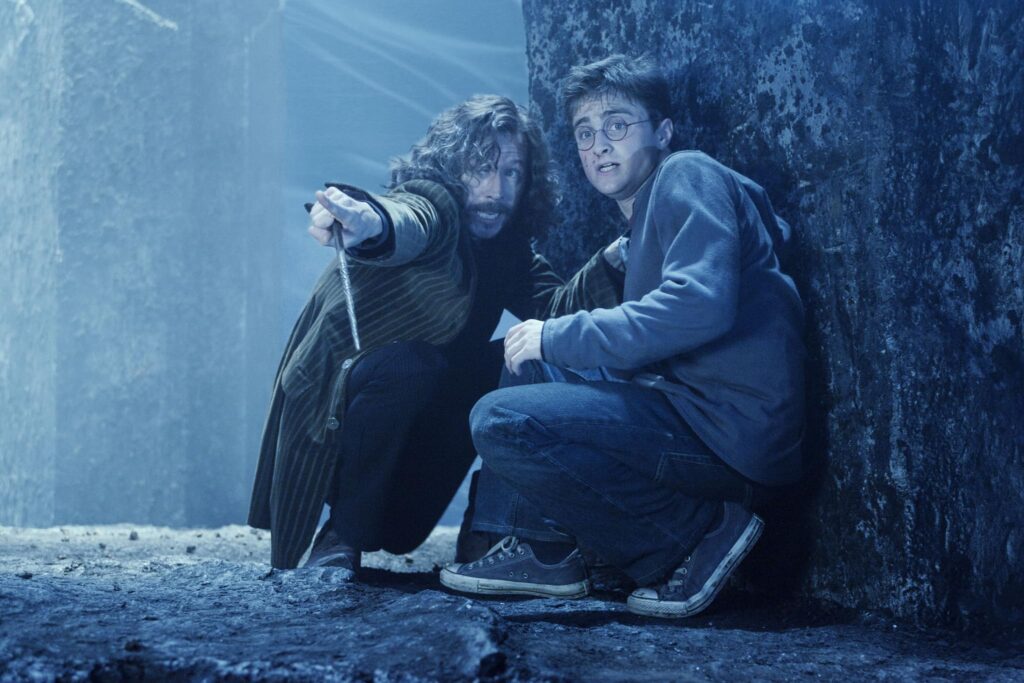
What makes worst CGI in movies so memorable is the contrast. These films often succeed in other areas—performance, story, direction—making the visual failures stand out even more starkly. When everything else works, the bad effects become the thing you can’t stop noticing, like a typo in a published novel or a stain on a wedding dress.
Modern CGI has largely solved the technical problems that plagued these earlier attempts. But the fear remains. Every time a trailer promises “groundbreaking visual effects,” some part of us remembers the scorpion king, the mustache removal, the digital cats, and braces for disappointment. The worst CGI in movies didn’t just look bad; it made us skeptical of promises, cautious about hype, and permanently aware that the gap between ambition and execution can be wider than any digital canyon.
Confront the nightmares—rewatch these CGI disasters and remind yourself that even bad effects can’t kill a good story, though they certainly try their hardest.
Also Read: Worst CGI Ever Made Us Cringe