
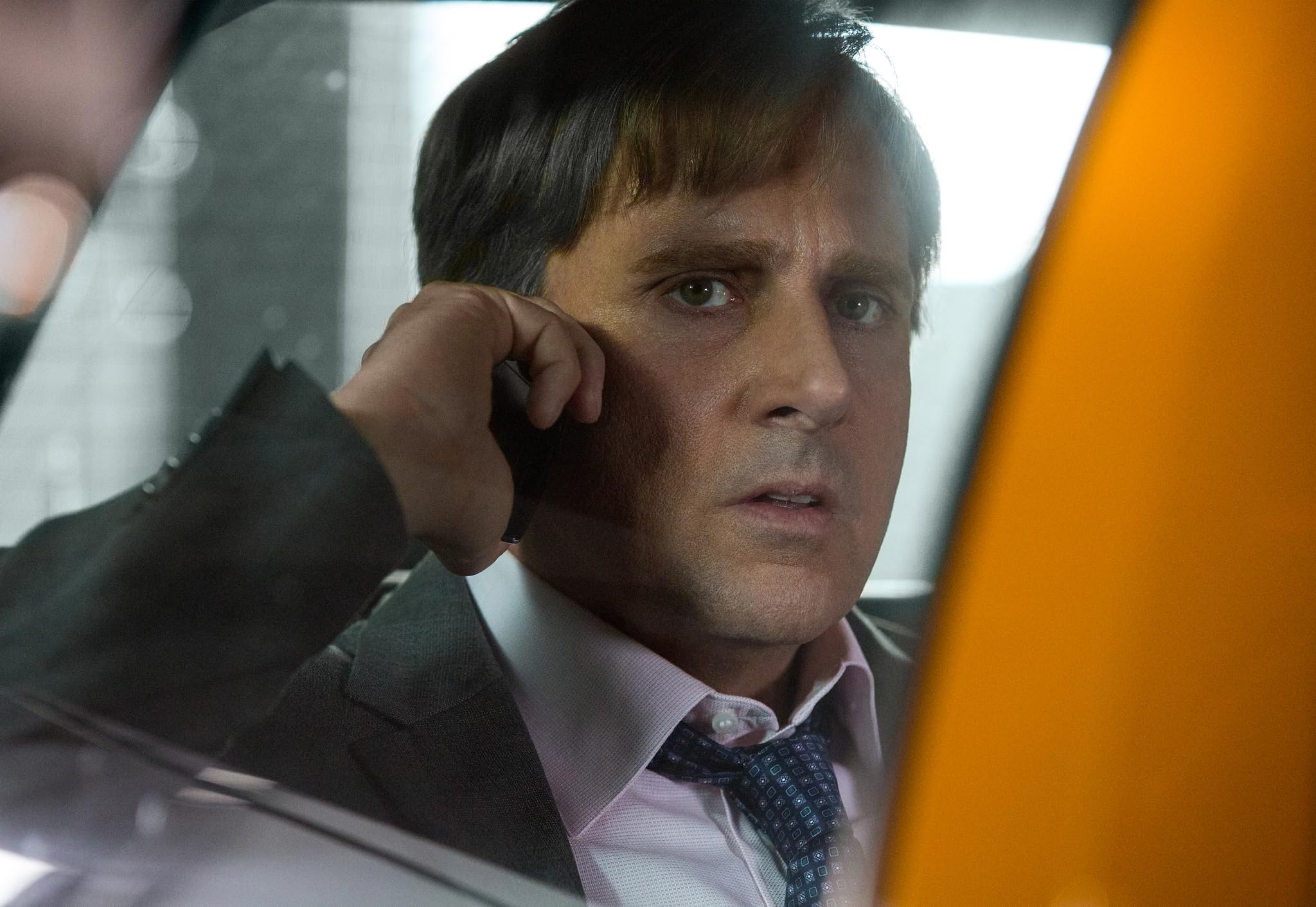
Big Short movie energy is what happens when you take the 2008 financial crisis—a topic so boring it could put a caffeine addict to sleep—and turn it into a heist film where the bad guys are mortgage-backed securities and the heroes are guys who read spreadsheets. Adam McKay looked at subprime lending and said, “what if we explained this with Margot Robbie in a bathtub?” The result is the smartest financial film ever made, and somehow also the funniest.
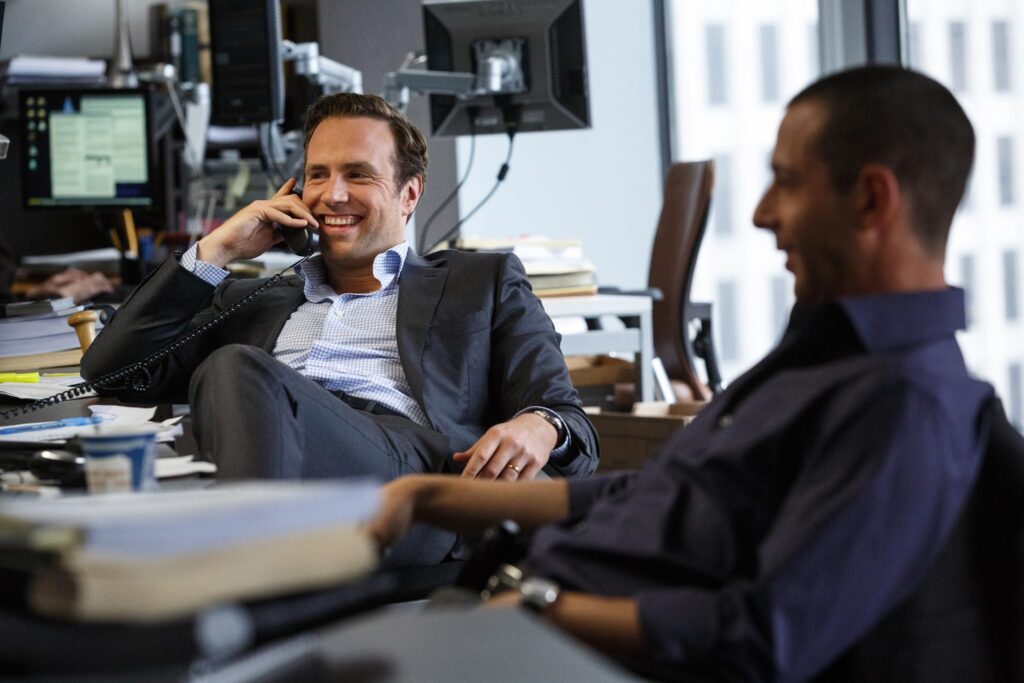
The premise is simple: a handful of investors realized the housing market was a bubble built on fraudulent loans, and they bet against it. But Big Short movie brilliance lies in how it explains the fraud. Ryan Gosling breaks the fourth wall to sell you on credit default swaps. Anthony Bourdain uses fish stew to explain collateralized debt obligations. A stripper with five mortgages becomes the canary in the coal mine. The film treats the audience like adults who can handle complexity, then makes sure they actually understand it.
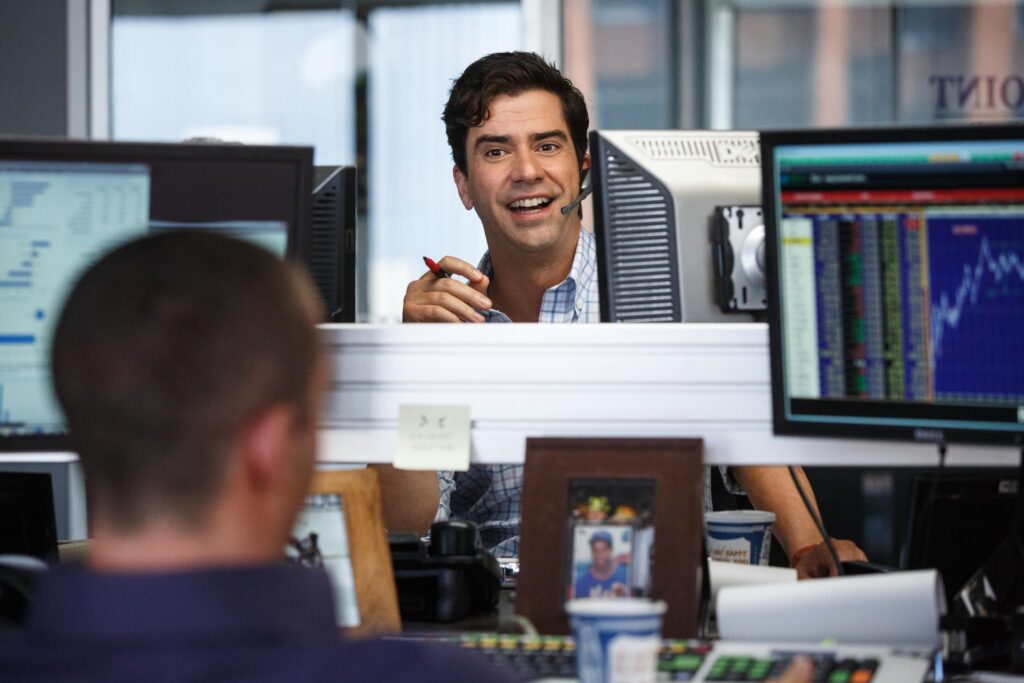
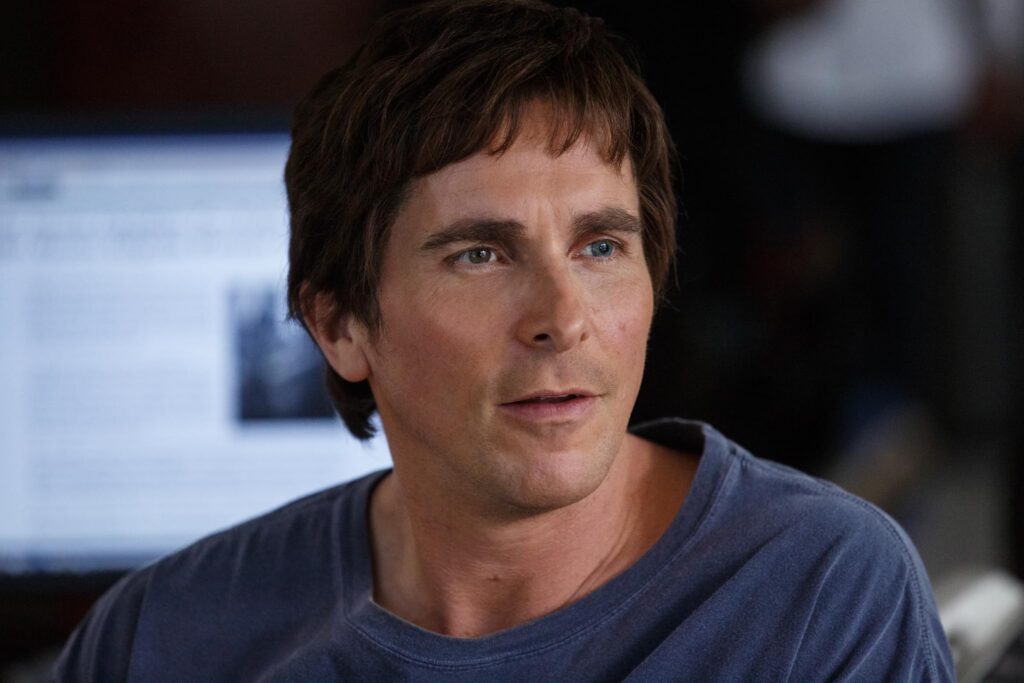
Christian Bale plays Michael Burry, the socially awkward genius who first spotted the collapse. Steve Carell is Mark Baum, the moral crusader who can’t believe how corrupt the system is. Brad Pitt is Ben Rickert, the retired trader who warns that the economy will burn. Big Short movie performances are all Oscar-worthy because the actors understand that anger is the correct response to watching bankers destroy lives for profit.
What makes the film devastating is the ending. The guys who bet against the housing market made billions, but the system didn’t change. The banks got bailed out. No one went to jail. Big Short movie closing text reminds us that the same institutions are still doing the same things, just with different names. The anger you feel watching isn’t cathartic—it’s fuel.

The editing is frantic, the music is ironic, and the tone is furious. McKay uses every tool in his comedy arsenal to make sure you don’t look away from the horror. Big Short movie pacing mirrors the actual crisis: slow buildup, sudden collapse, and a aftermath where the wrong people suffer. By the time the credits roll, you understand exactly what happened in 2008, and you’re furious that more people don’t.
In an era of meme stocks and crypto scams, Big Short movie feels more relevant than ever. The language changes—now it’s NFTs and SPACs instead of CDOs and tranches—but the grift remains identical. Watch it, learn from it, and never trust a banker who says “this time is different.”
Learn the con—stream The Big Short and understand why the housing market crashed while nobody went to jail.
Also Read: Addams Family Romance Still Goals