
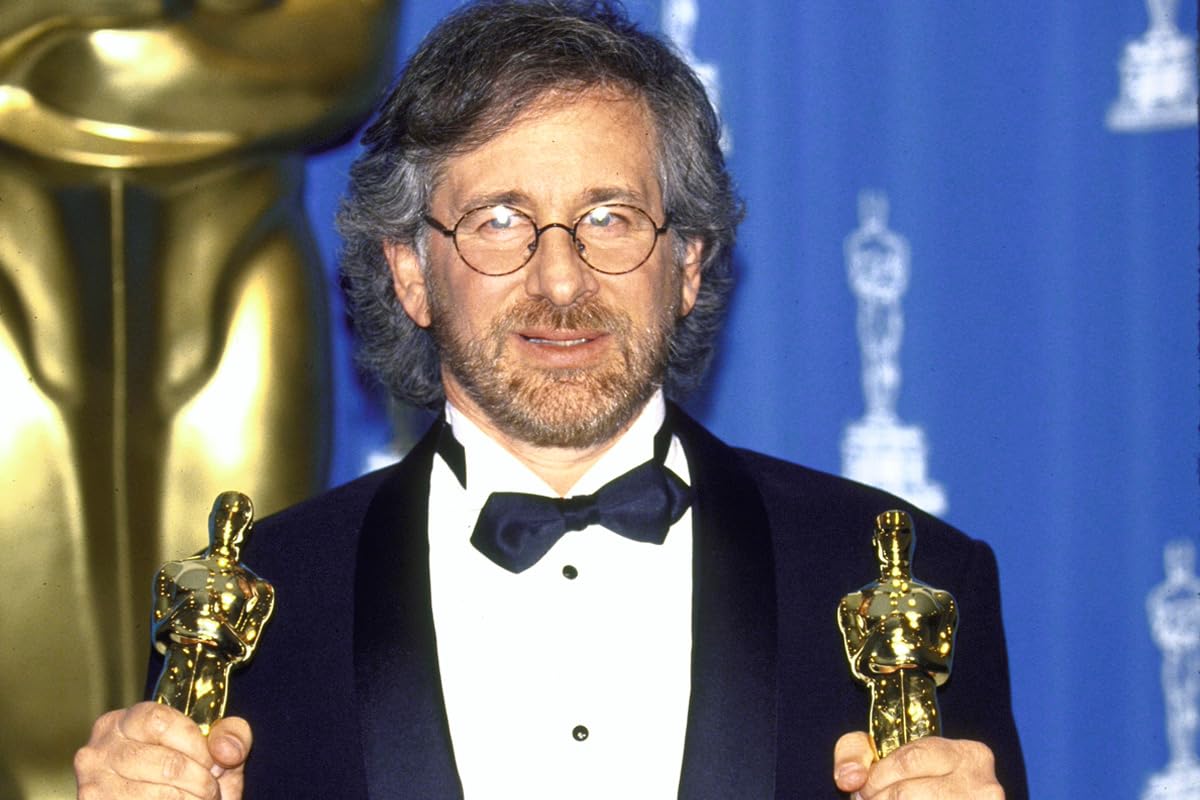
Steven Spielberg wanted to direct a James Bond movie in the 1970s but was rejected twice. Here’s how 007 shaped the career we got instead.
Spielberg’s Bond rejection is one of Hollywood’s great “what if” stories, and it happened not once but twice. Before he became the architect of our collective childhood, before Jaws and Close Encounters and Raiders of the Lost Ark, a young Steven Spielberg desperately wanted to direct a James Bond movie. The producers said no. Twice. And cinema history pivoted on those rejections.
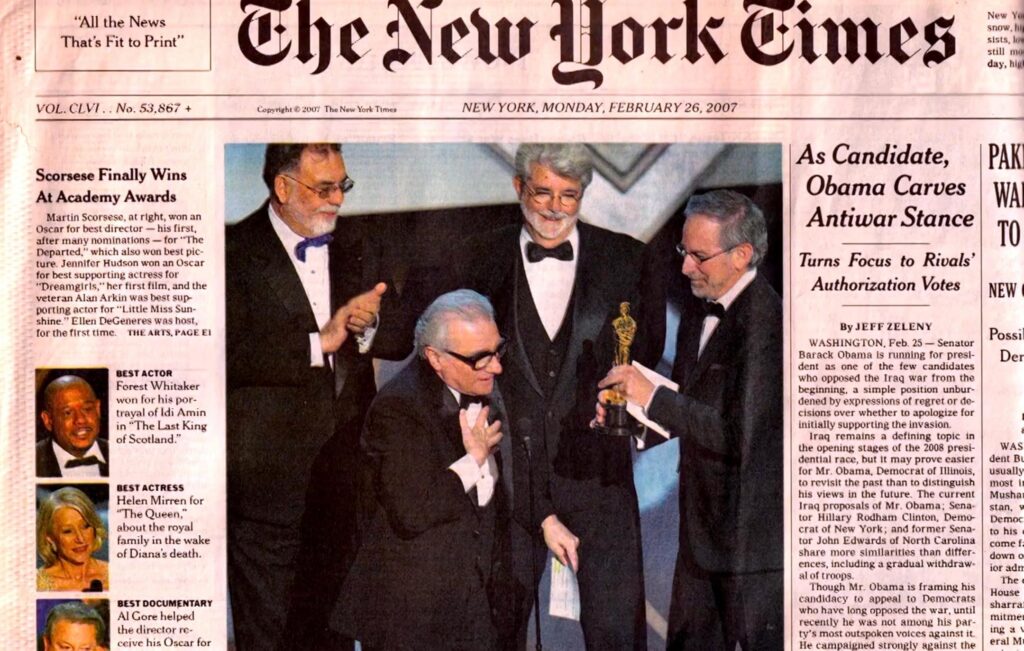
The first attempt came after Spielberg’s breakout success with Duel in 1971. He approached producers Albert R. Broccoli and Harry Saltzman about directing the next 007 installment. They declined, apparently viewing television directors as insufficiently seasoned for the Bond franchise. The second attempt came after Jaws became the first true blockbuster in 1975. Spielberg, now the hottest director on the planet, asked again. Broccoli reportedly told him they only hired British directors, which was either a polite brush-off or genuine policy—either way, the door remained closed.
Spielberg’s Bond Rejection Led to Indiana Jones
Spielberg’s Bond rejection had a silver lining that reshaped blockbuster cinema. Frustrated, he called his friend George Lucas and complained about the snub. Lucas, who had already conceived of a 1930s-style adventure hero, pitched Spielberg the idea that would become Raiders of the Lost Ark. “I have something better than James Bond,” Lucas reportedly said. “It’s called Indiana Jones.”
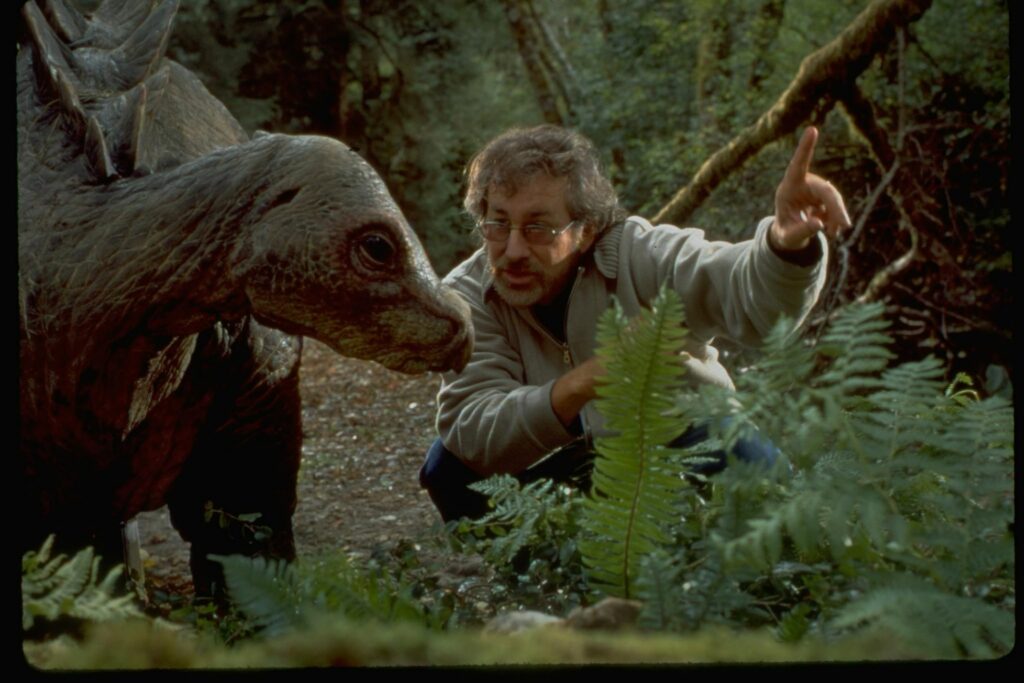
The rest is history. Indiana Jones became the American answer to 007—a globe-trotting archaeologist with a bullwhip instead of a Walther PPK, moral ambiguity instead of government sanction, and a hat that became as iconic as any tuxedo. Spielberg’s Bond rejection directly birthed one of the most beloved franchises in film history, proving that sometimes closed doors lead to better rooms.
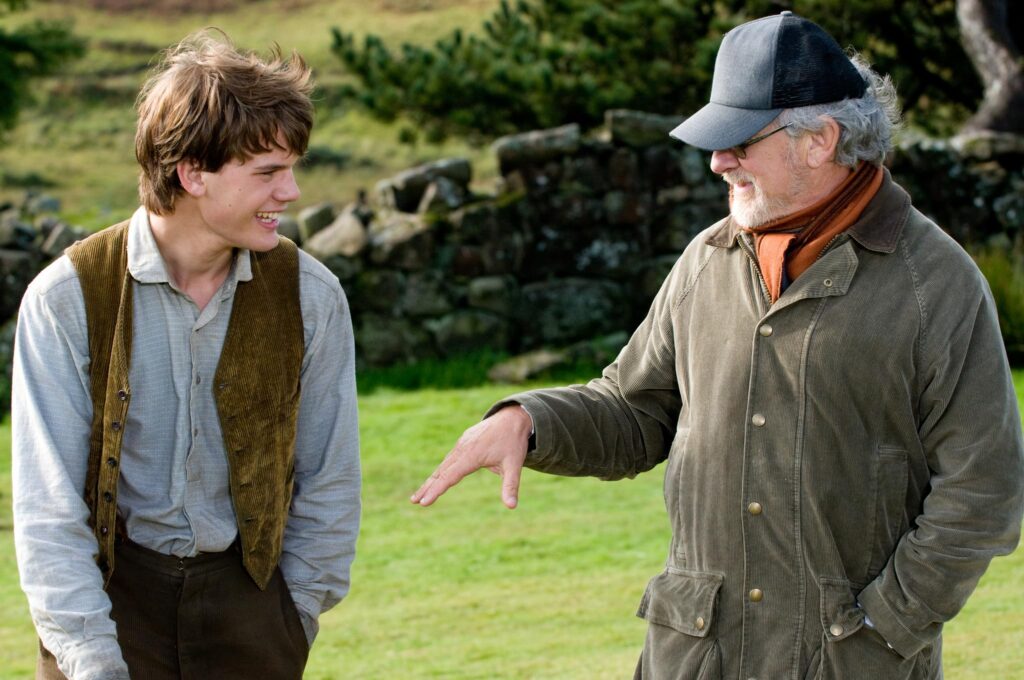
The irony is delicious. Bond producers eventually came courting, offering Spielberg the director’s chair for multiple installments after his success. By then, he had moved on. Spielberg’s Bond rejection had become a footnote, a story he tells with good humor about the producers who couldn’t see his potential. The franchise continued with competent directors while Spielberg redefined what blockbuster filmmaking could be.
What makes this story resonant is how it reflects the creative power of constraints. Without the rejection, Spielberg might have delivered a solid Bond film and moved on. Instead, he channeled that frustration into creating something original, something that combined his love of serials with Lucas’s genre instincts. Spielberg’s Bond rejection wasn’t a loss; it was a redirection that gave us Indiana Jones, E.T., Jurassic Park, and the entire modern blockbuster template.
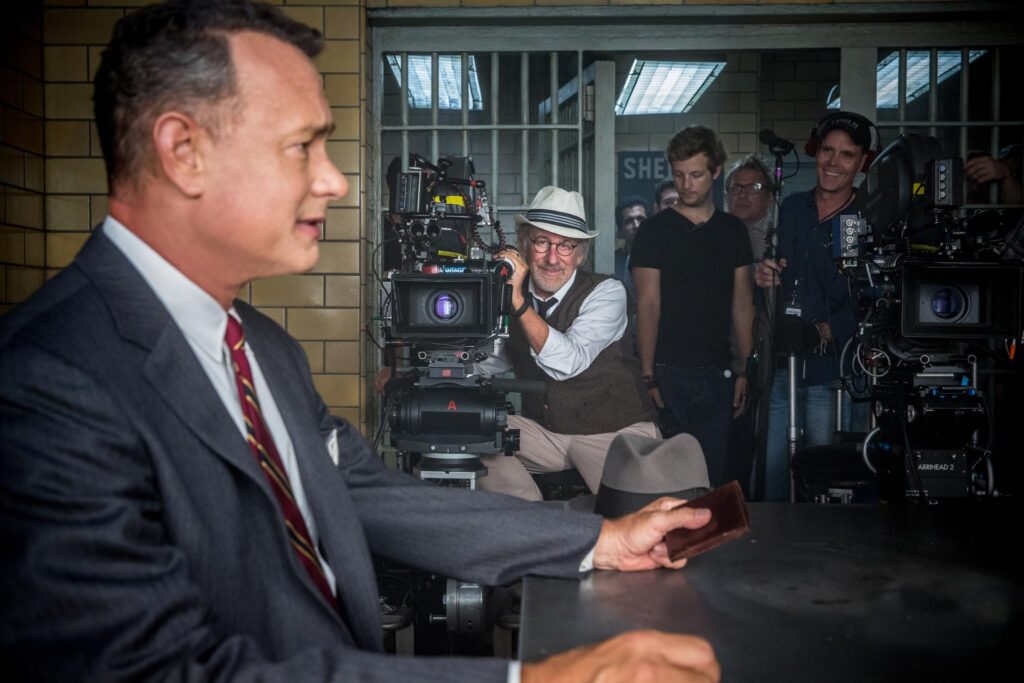
Watch the adventures Spielberg built instead—stream Raiders of the Lost Ark and see how a closed door opened cinema history.
Also Read: Ludwig Göransson’s Odyssey Score Ditches Orchestras