

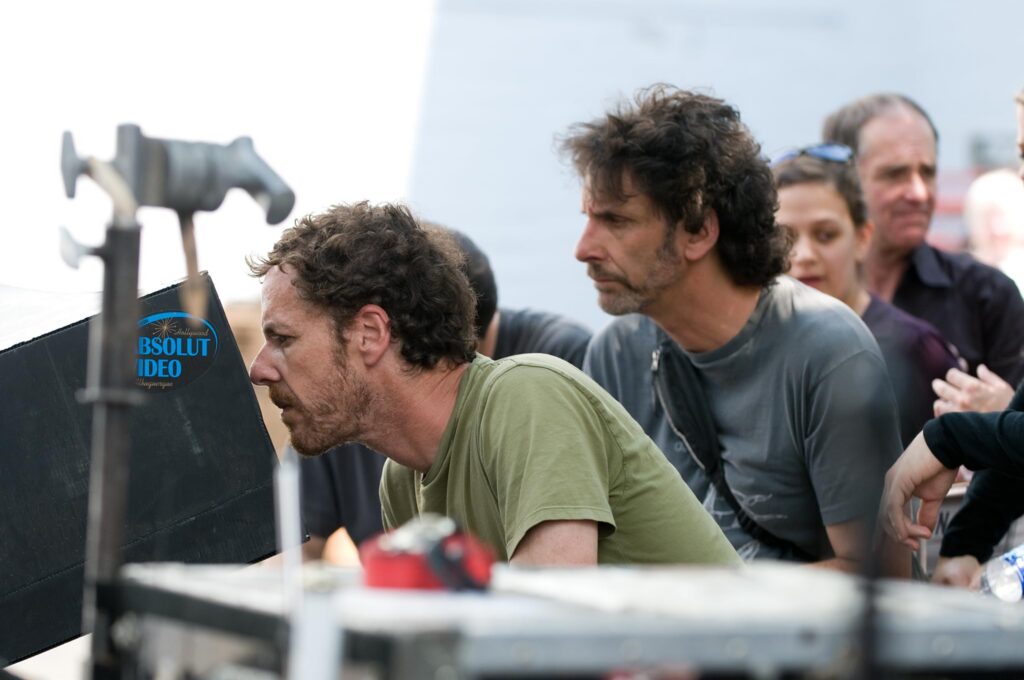
Fargo Coen Brothers magic is the kind of cinematic alchemy that makes you laugh at a wood chipper murder and then feel weird about laughing. Joel and Ethan Coen took a “true story” that was mostly made up, dropped Frances McDormand into a police uniform, and created a film so perfectly balanced between Midwestern niceness and cold-blooded violence that it basically invented its own genre.
The 1996 film follows Marge Gunderson, a pregnant police chief investigating a kidnapping scheme gone wrong in Minnesota. Jerry Lundegaard, a car salesman played with desperate sweatiness by William H. Macy, hires two criminals to fake-kidnap his wife so he can collect the ransom from his wealthy father-in-law. Everything goes sideways immediately. The criminals are incompetent. Jerry is overmatched. And Marge just sort of waddles through the snow, asking questions in that accent that makes “you betcha” sound like a threat.
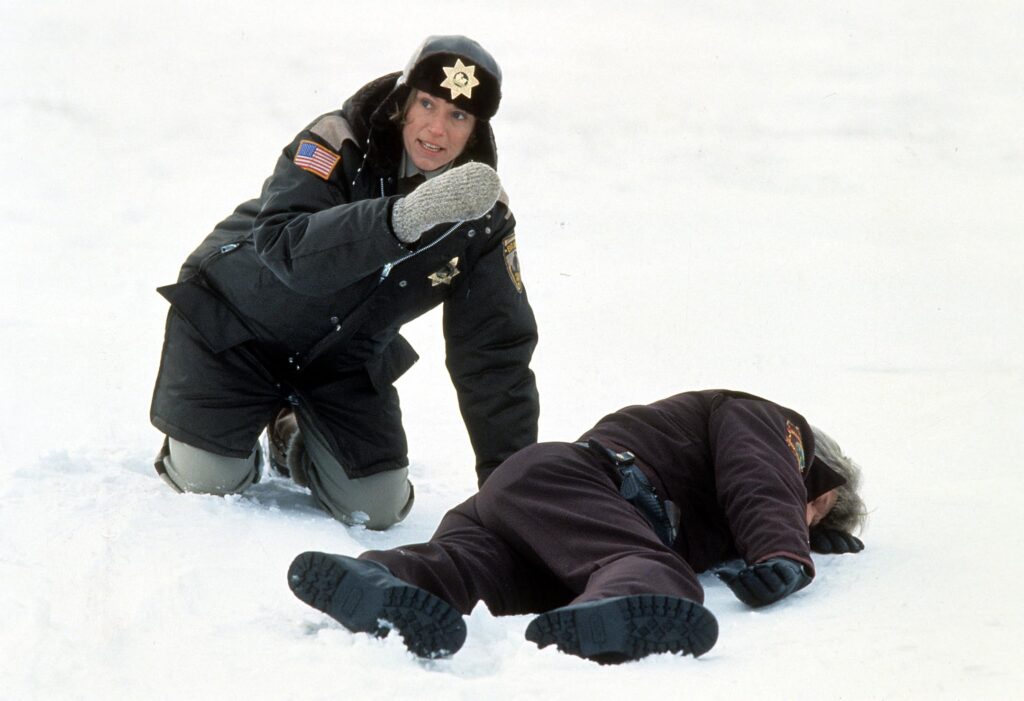
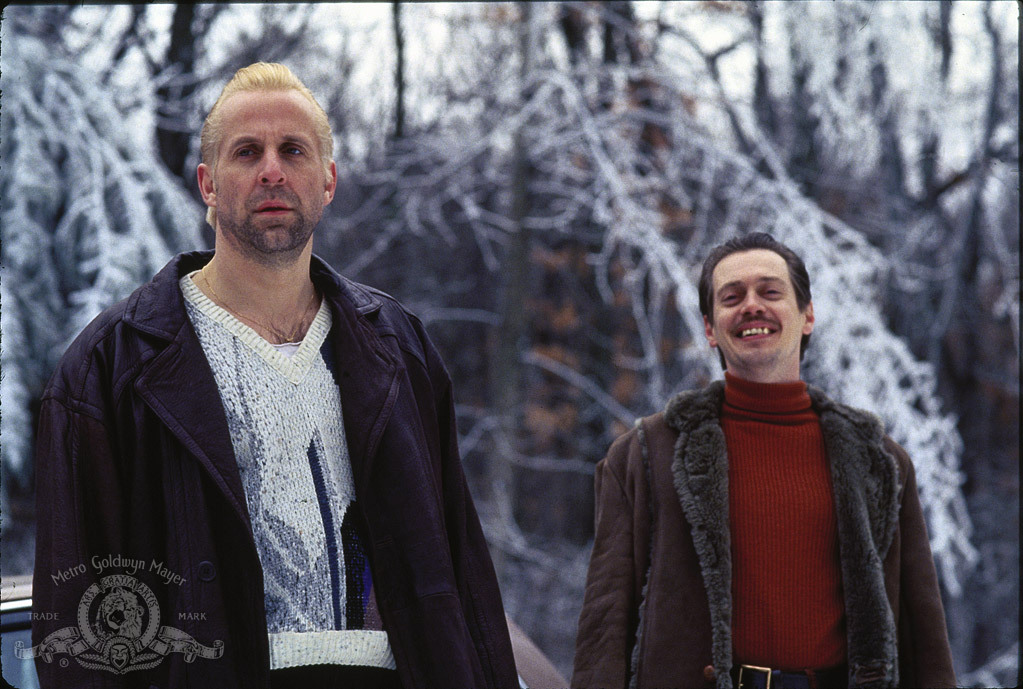
Fargo Coen Brothers brilliance lies in the contrast. You have Steve Buscemi getting fed into a wood chipper while Marge discusses buffet options with an old classmate. You have a brutal triple homicide investigated by someone whose biggest concern is whether her husband remembered to eat breakfast. The Coens understand that evil isn’t always dramatic. Sometimes it’s just a guy in a cheap suit making terrible decisions because he feels small.
The film earned seven Oscar nominations and won two—Best Original Screenplay for the Coens and Best Actress for McDormand. But awards don’t capture what Fargo actually did for American cinema. It proved that regional specificity could be universal. That accents could be characters. That the spaces between words mattered more than the words themselves. Every “oh geez” and “yah” carries weight because the Coens treat their characters with genuine affection even when those characters are doing genuinely awful things.
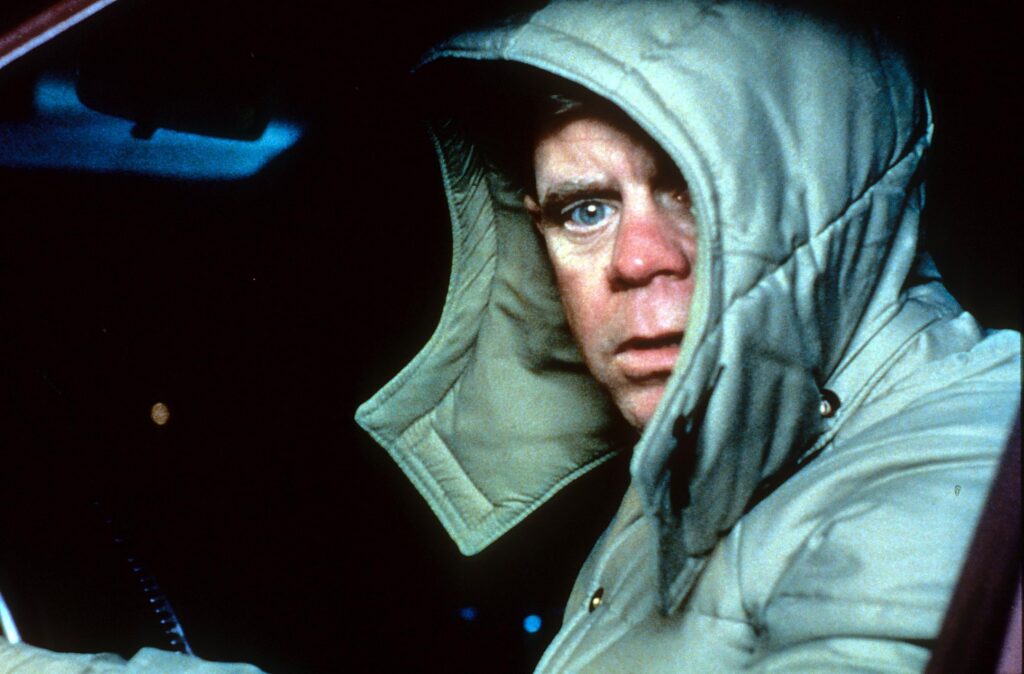
What makes Fargo Coen Brothers essential viewing is how it rewards repeat watches. The first time, you’re caught up in the plot. The second time, you notice how every location—the car dealership, the diner, the cabin—tells its own story. The third time, you realize Marge is basically the only functional adult in the entire film, and her decency is presented not as heroic but as baseline human behavior that everyone else has abandoned.
The wood chipper scene alone deserves a film studies class. It’s simultaneously the most violent and funniest moment in the movie, which shouldn’t work but absolutely does. The Coens spent their entire career proving that tone is something you can control with surgical precision, and Fargo is their masterclass.
If you’ve never experienced Fargo Coen Brothers energy, fix that immediately. If you have, watch it again. It only gets better with age, like a fine hotdish left out in the Minnesota snow.
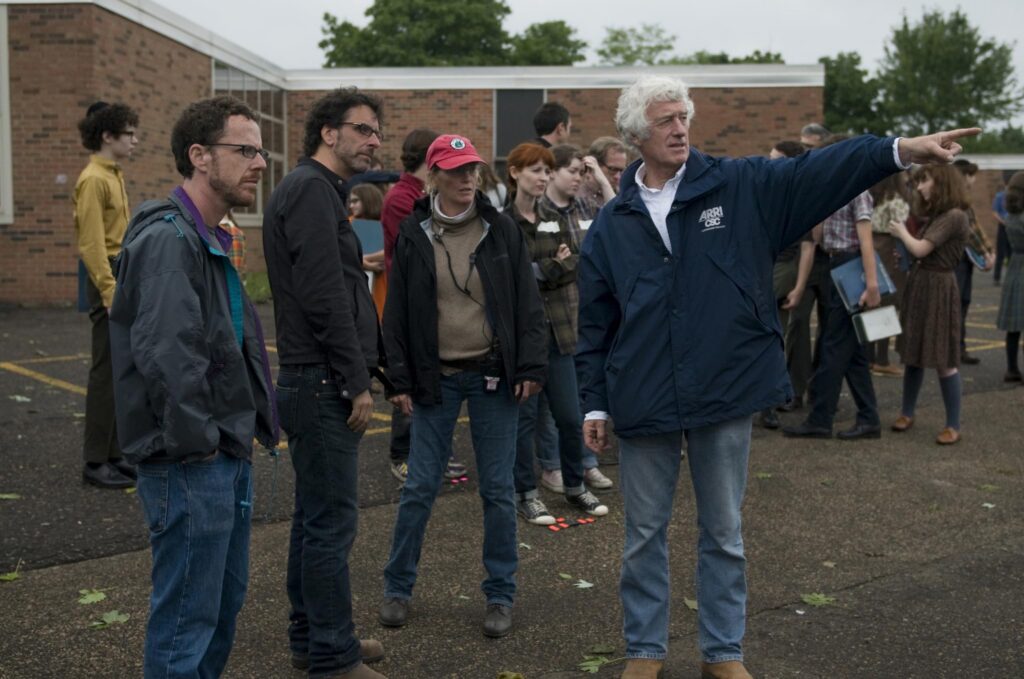
Stream Fargo Coen Brothers masterpiece now and discover why the wood chipper scene is still the gold standard for dark comedy.
Also Read: Scarlett Johansson Stars in Ray Gunn