
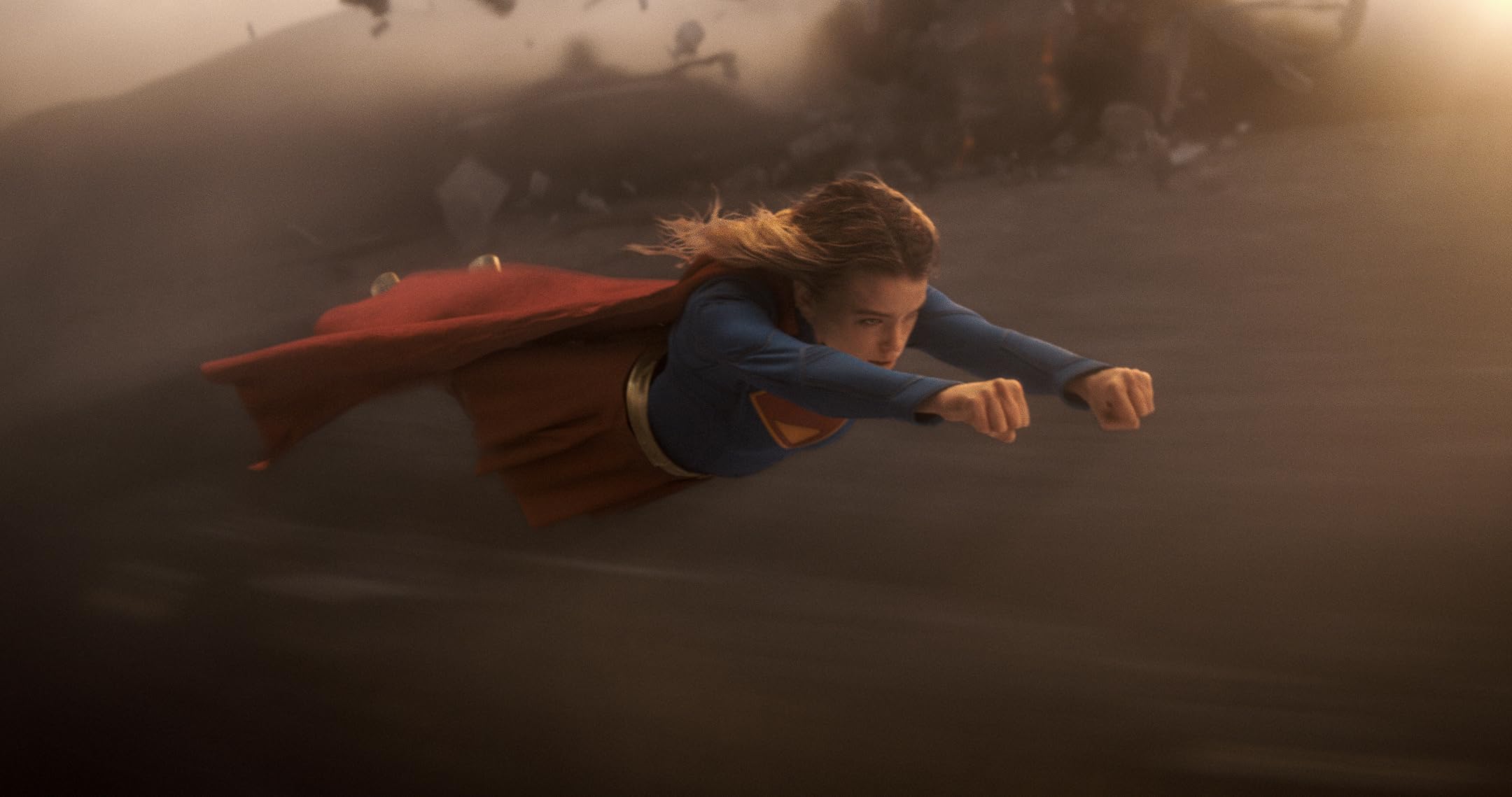
Supergirl review roundup reveals a film with stunning visuals and a breakout Milly Alcock performance, but a weak villain holds it back from greatness.
Supergirl review consensus is here, and it’s the kind of mixed bag that makes studio executives reach for the antacids. Craig Gillespie’s adaptation of Tom King’s acclaimed graphic novel has elements that absolutely work—Milly Alcock’s performance, the Mad Max-inspired aesthetic, the emotional core between Kara and her young companion Ruthye. But it also has a villain problem that critics can’t ignore, and in superhero cinema, that’s often the difference between good and great.
The positive Supergirl review highlights focus on Alcock. She brings a raw, feral energy to Kara Zor-El that distinguishes her from every previous Supergirl iteration. This isn’t the bright, hopeful cousin of Superman. This is a woman who watched her planet die, who spent years in the Phantom Zone, who carries trauma like a second skin. Alcock makes you believe every second of it. Her physicality in the action scenes—reportedly after two months of stunt rehearsals at Warner Bros. Leavesden—sells Kara as someone who fights because she has to, not because she enjoys it.
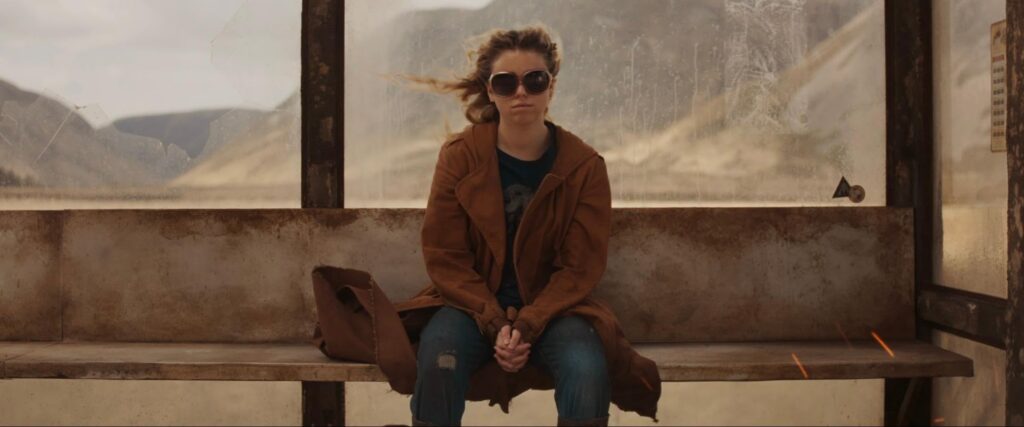
The visual approach is another consistent Supergirl review praise point. Gillespie pitched the film to James Gunn with 120 reference images, and the result is a sci-fi western that looks like Fury Road crossed with a Sergio Leone film. The color palette is muted and dusty. The alien landscapes feel lived-in and dangerous. Krypto the Superdog gets expanded screen time in the opening credits, which Gillespie added to establish Kara’s only tangible connection to her Kryptonian past.
Where Supergirl Review Consensus Falls Short
The Supergirl review criticism centers on Matthias Schoenaerts as Krem of the Yellow Hills. The villain is described as generic, underdeveloped, and ultimately forgettable—a problem that has plagued DC films since before Gunn took over. When your antagonist is supposed to drive the entire plot, “forgettable” is a death sentence. Critics note that Krem’s motivations are muddy, his screen time limited, and his final confrontation with Kara lacking the emotional weight the story demands.

The three-act structure, which Gunn confirmed deviates from the source comic’s format, also receives mixed Supergirl review feedback. Some appreciate the streamlined narrative. Others feel it rushes through character development that the graphic novel took its time establishing. The relationship between Kara and Ruthye, while heartfelt, doesn’t land with the same impact as the comic’s slower burn.
Eve Ridley as Ruthye gets singled out in several Supergirl review pieces as a genuine discovery. The young actress holds her own against Alcock and brings a grounded quality to the intergalactic road trip. Jason Momoa’s Lobo is… present. The character shows up, does his bounty hunter thing, and leaves without derailing the film, which is probably the best-case scenario for a casting choice that could have been distracting.

Supergirl review aggregate sits in the “mixed” range, which for a franchise trying to rebuild trust is dangerous territory. Superman proved the DCU could produce genuine crowd-pleasers. Supergirl needed to prove it could do so consistently. The jury is still out on whether it succeeds.
Watch Supergirl Woman of Tomorrow in theaters June 26 and see if Milly Alcock’s performance overcomes the villain problem.
Also Read: Supergirl Box Office Is In Trouble