

Avengers Doomsday visuals are being crafted with IMAX digital cameras and practical locations. Here’s how the Russo Brothers are raising the MCU bar.
Avengers Doomsday visuals are being built without a single frame of green screen filler, and the Russo Brothers are betting everything that practical destruction beats digital spectacle this time.
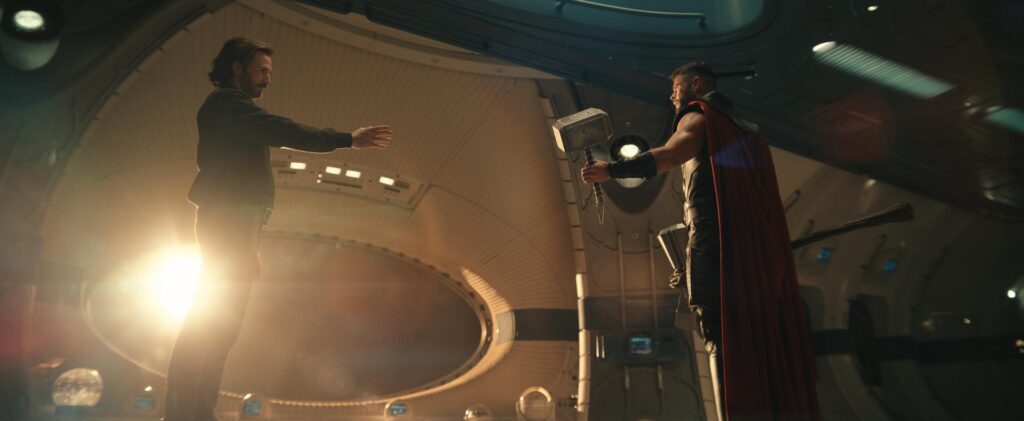
The fourth Avengers installment, directed by Joe and Anthony Russo, began principal photography on April 28, 2025, at Pinewood Studios in Buckinghamshire, England. The film, scheduled for release on December 18, 2026, brings back Robert Downey Jr. as Doctor Doom alongside Chris Evans, Chris Hemsworth, and a multiverse-spanning cast that includes the Fox X-Men and the Fantastic Four. With a runtime of approximately 165 minutes, this is the longest Avengers film since Endgame.
Avengers Doomsday Visuals Go Practical
The genuinely surprising production choice hiding in plain sight is the Russo Brothers’ commitment to physical locations over digital backlots. Avengers Doomsday visuals were captured on location in Bahrain and at Windsor Great Park, with production designer Gavin Bocquet and cinematographer Newton Thomas Sigel crafting tangible sets that actors can actually walk through. This marks a deliberate departure from the heavily criticized virtual production techniques used in recent MCU entries like Quantumania, where performers often found themselves emoting at tennis balls in empty blue rooms.
Costume designer Judianna Makovsky, returning from previous MCU films, has created physical wardrobes for a cast that spans multiple universes and timelines. The teasers revealed so far show ruined versions of familiar locations—a destroyed Xavier’s School for Gifted Youngsters, a devastated Wakanda, and what appears to be the Baxter Building in ruins.
These aren’t CGI concepts; they’re constructed environments that the cast physically inhabits, which explains why the footage carries a weight and texture that recent MCU projects have lacked. The practical destruction evokes the grounded intensity of Mad Max: Fury Road rather than the weightless gloss that plagued the Star Wars prequels.
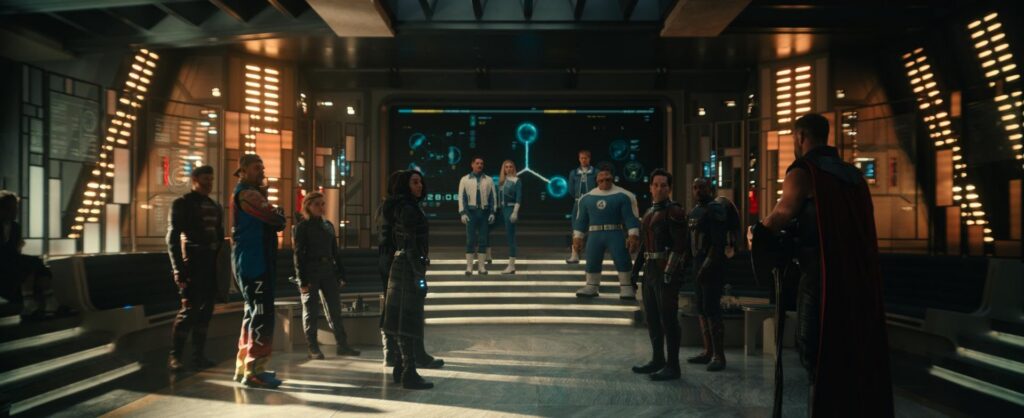
Avengers Doomsday visuals also include a significant IMAX component. The film was shot with IMAX digital cameras and will be presented in a 1.90:1 aspect ratio for the entire runtime, giving audiences a taller, more immersive frame than standard widescreen. When you’re trying to sell the end of the multiverse, that extra vertical space matters more than you’d think. After all, why would you watch the apocalypse on a small screen?
Marvel is reportedly planning “a healthy amount of additional photography” in early 2026, which suggests the Russos are refining these visuals until every frame meets their exacting standard. After the visual disappointment of recent MCU phases, Doomsday represents a make-or-break moment for the franchise’s aesthetic credibility. The Russos know it, and they’re building something you can actually touch.
When Avengers Doomsday visuals finally hit the biggest screens on Earth, they might just remind us why practical effects still matter in an age of infinite digital possibility.
Also Read: Matt Damon Hanks Advice Changed Hollywood