
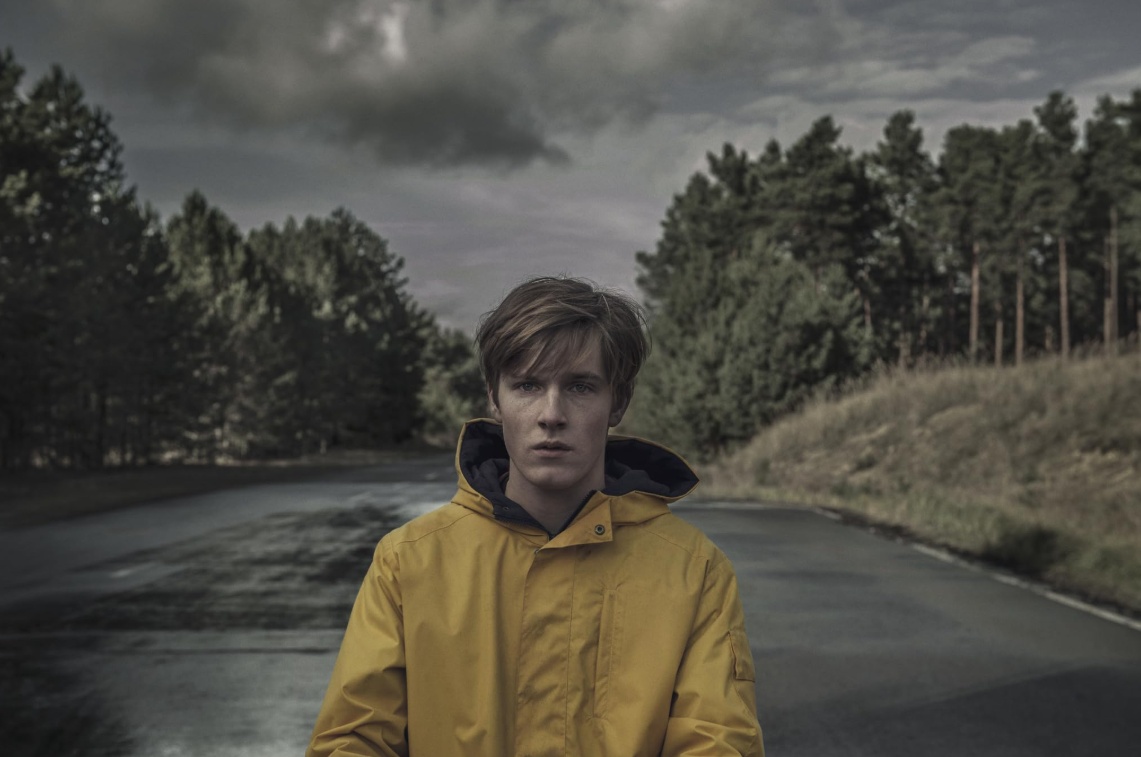
There is a special kind of pain that comes with finishing a truly great show. You sit there in the dark, credits rolling, already knowing you will never feel that exact high again. The question that always follows is brutal: which show would you erase from your memory just to experience it fresh one more time?
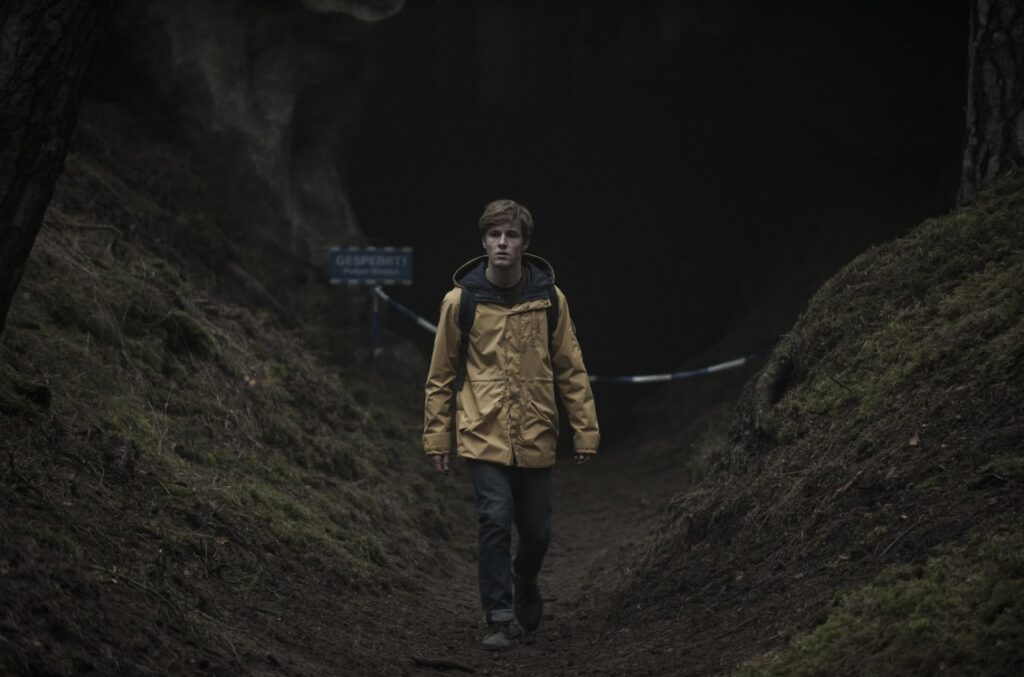
For a staggering number of people, the answer is Dark. The German sci-fi thriller has become the default answer in every conversation about rewatchable perfection, and it is not hard to see why. Over three tightly wound seasons, Baran bo Odar and Jantje Friese constructed a narrative so intricate, so densely layered with time travel and family secrets, that first-time viewers spent half the show with their jaws on the floor. The other half was spent pausing to draw family trees on napkins. It was exhausting, exhilarating, and completely unforgettable.
Dark is not a show you casually half-watch while scrolling on your phone. It demands your full attention, rewards your patience, and punishes your assumptions. Every episode is a puzzle box, every character exists in multiple timelines, and the soundtrack haunts you for weeks. That first viewing is a genuine journey of discovery. You do not just watch Dark. You survive it. You emerge on the other side feeling like you have earned a minor degree in theoretical physics and German genealogy.
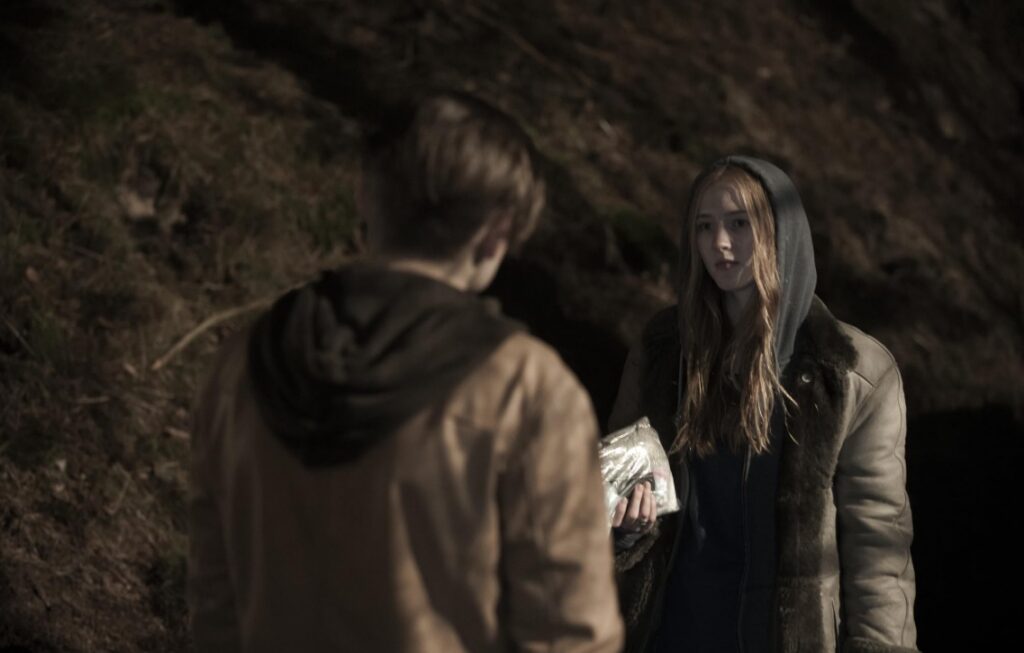
But here is the cruel twist. Once you know how the loops close, once you have seen the final frame, you cannot unsee it. The mystery is gone. The shock is gone. You can rewatch it, sure, and you will catch dozens of clever foreshadowing details you missed the first time. But that raw, disorienting, what-the-hell-is-happening feeling? That is a one-time deal. It is the entertainment equivalent of your first roller coaster drop. The second ride is fun, but it is never the same.
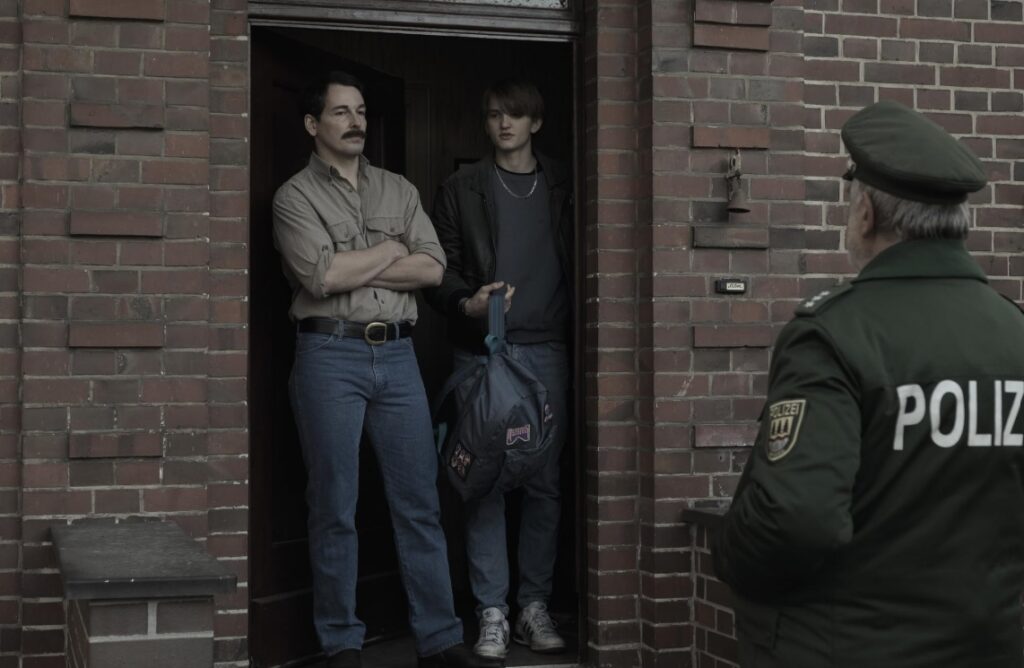
Other names always come up in these debates. Breaking Bad. Stranger Things. The Office. Black Mirror. All valid contenders. But Dark occupies a unique space because its entire appeal is built on structural surprise. A comedy you can rewatch for comfort. A drama you can revisit for performances. But a mystery-thriller whose whole identity is unraveling an impossible knot? That is a singular experience. You cannot fake ignorance. You cannot unlearn the solution. The magic only works once, and then you are left staring at the screen wishing you could go back.
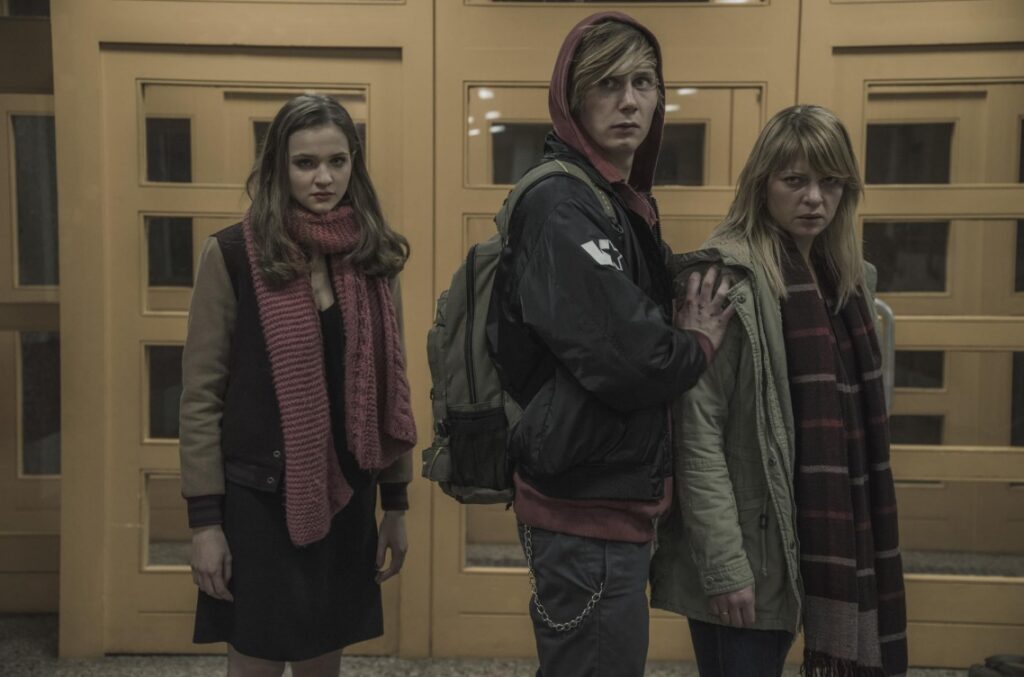
So yes, people want to watch Dark blind again. They want to feel lost in the woods of Winden one more time. They want to mistrust every character, misread every clue, and gasp at every reveal. They want the confusion, the frustration, and the eventual, glorious clarity. Is that too much to ask? Apparently, yes. Because time travel does not work in real life, and neither do memory wipes. We are stuck with our spoiled brains, re-watching perfection and mourning the version of ourselves who got to see it first. Pass the tissues and the timeline charts.
Also Read: Netflix Canceled 11 Shows This Year and The Lincoln Lawyer Is Just the Start