
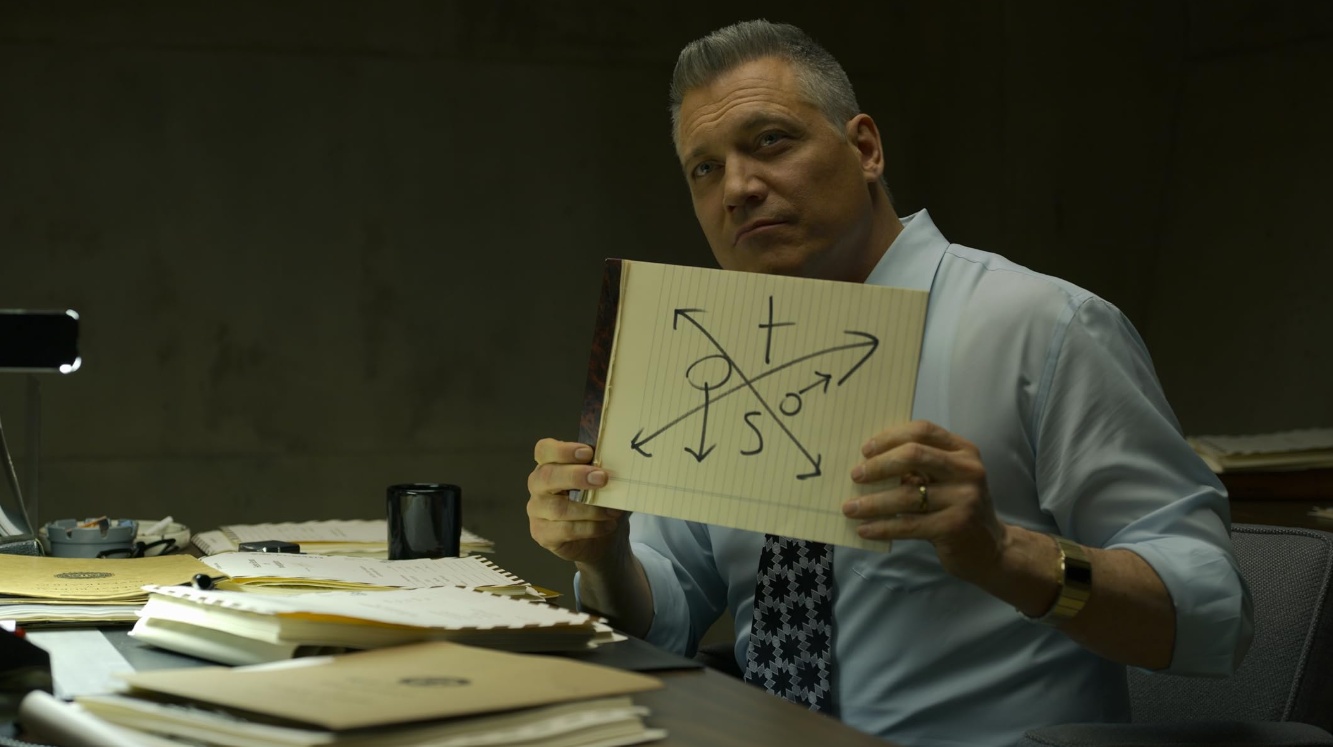
Some wounds don’t close, they just get a streaming window. It’s been seven years since Mindhunter’s second season dropped, and judging by the way the discourse still erupts, Netflix’s quiet execution of the series remains the cancellation fans measure all other cancellations against.
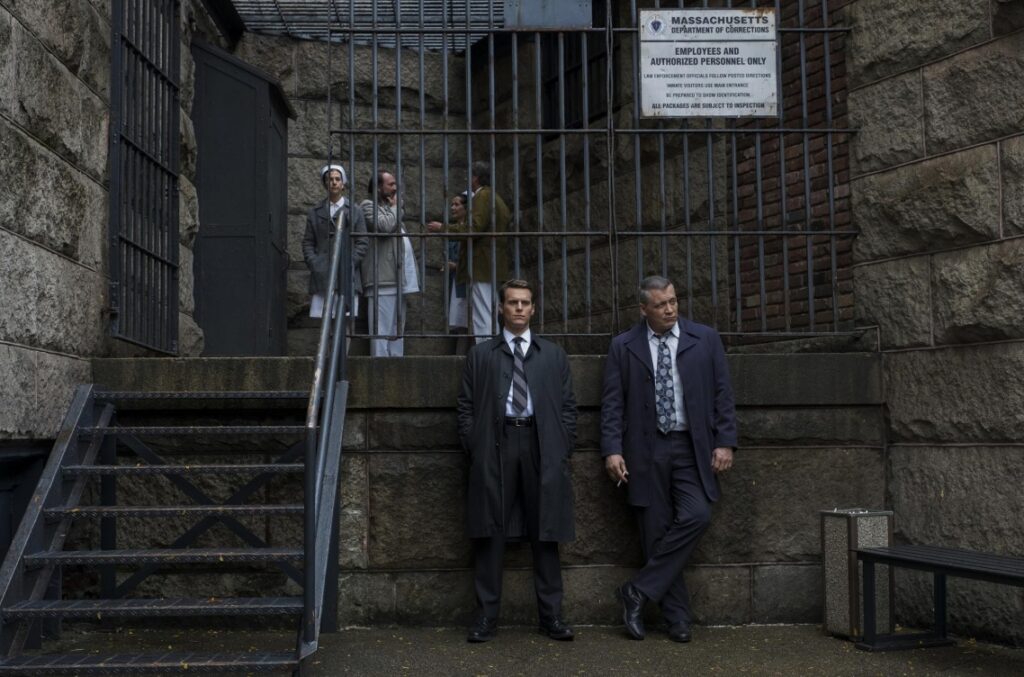
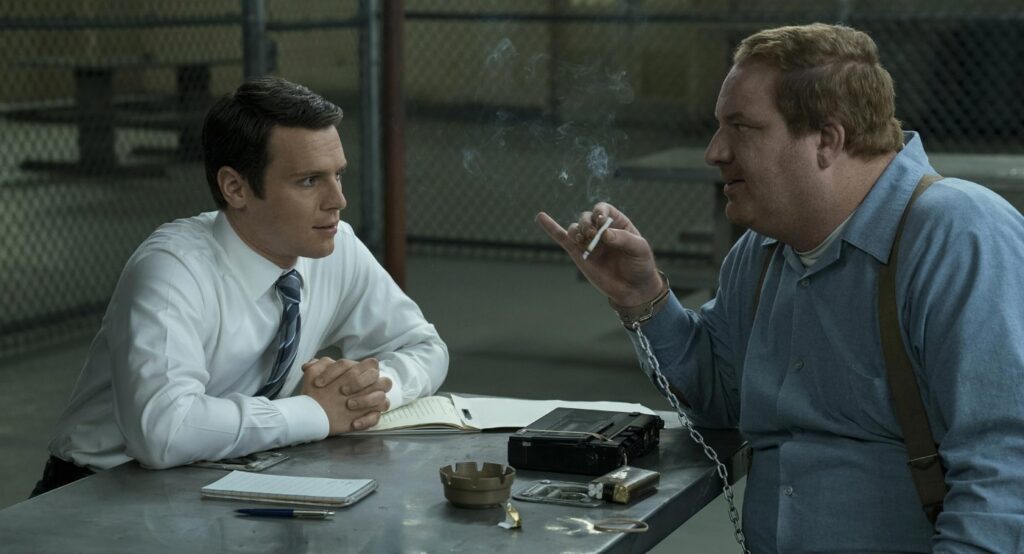
For the uninitiated — and seriously, fix that this weekend — Mindhunter was David Fincher’s pristine, suffocating dive into the FBI’s Behavioral Science Unit in the late 1970s, where two agents essentially invented criminal profiling by sitting across from serial killers and taking notes. Jonathan Groff played the intellectually ravenous Holden Ford, Holt McCallany the gruff, world-weary Bill Tench, and Anna Torv the research psychologist holding the operation together. Cameron Britton’s turn as an eerily courteous Ed Kemper remains one of the best single-season performances this medium has ever produced.
The show was immaculate. It was also expensive, slow, and allergic to the binge-economy instincts Netflix rewards. Two seasons arrived — October 2017 and August 2019 — and then… nothing. An indefinite hold. Cast quietly released from their contracts. Fincher eventually conceded that the show was very expensive and that viewership didn’t justify the price of his perfectionism.
Every frame of that series cost a fortune and took forever; Netflix ran the numbers and chose not to. Cue a thousand think pieces and a fandom that refuses to die. Netflix, for its part, has never technically slammed the door, which is arguably crueller. The company’s position amounts to: never say never, but don’t hold your breath. That ambiguity has kept hope artificially alive for seven years.
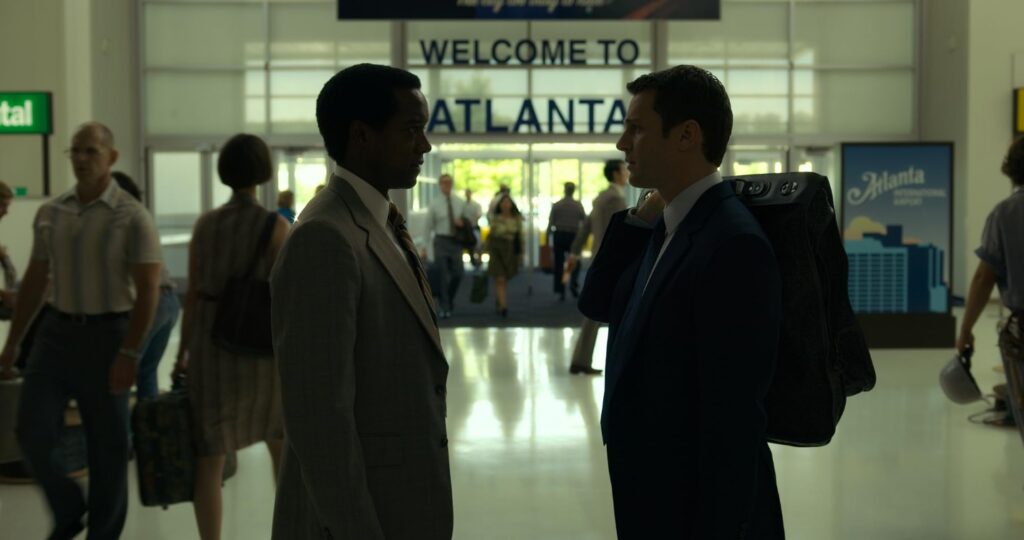
Here’s what stings the most: Mindhunter didn’t fail. It wasn’t a botched adaptation or a creative flameout. It was a critical triumph with a devoted audience that simply wasn’t, by Netflix’s internal math, big enough to subsidize Fincher’s meticulousness. That’s the streaming bargain in miniature. The same platform that bankrolls a reality dating show’s ninth season looks at one of the best-reviewed dramas of the decade and shrugs. Numbers are numbers. Great.
And because hope is a renewable resource, the ghost of season three haunts us still. Every few months, someone asks Fincher about it. Every few months, he politely declines to resurrect a show that was effectively frozen with its characters mid-evolution — Ford unraveling, Tench’s home life disintegrating, the BTK killer storyline crawling toward a payoff that may never arrive. The cold opens alone deserve a resolution. They won’t get one.
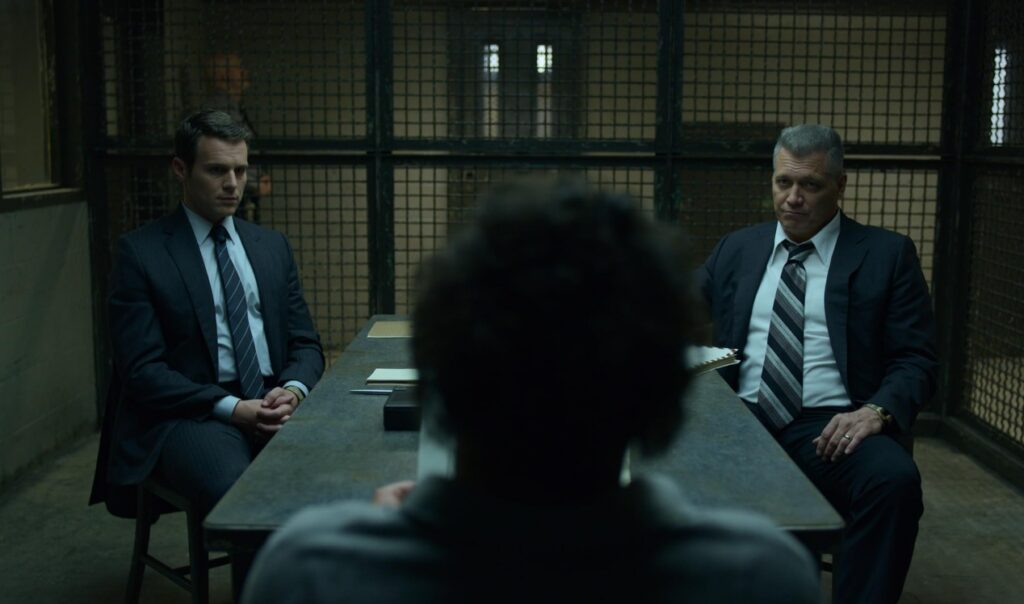
Meanwhile the true-crime industrial complex the show critiqued has metastasized into a content firehose. Podcasts, docuseries, dramatizations — the market Mindhunter examined with a raised eyebrow is now a conveyor belt. The show understood that the scariest part of serial killers isn’t the killing; it’s the ordinary men doing it and the ordinary systems failing to catch them. Everything that followed mostly understood that murder sells.
So no, you won’t get over Netflix canceling Mindhunter. Nobody does. It ended too early, at the peak of its powers, for reasons that had nothing to do with quality and everything to do with a spreadsheet. Two perfect seasons. One unfinished masterpiece. Stream them, miss them, and try not to check Fincher’s press tour comments every time he has a movie out. You’re only human.
Also Read: Why Did Robin Williams Kids Revive His Instagram?