

Under the Skin is eleven years old and still generating arguments that end friendships and ruin dinner parties. Jonathan Glazer’s alien horror film starring Scarlett Johansson as a predatory creature luring Scottish men to their doom remains the most polarizing entry in her filmography, which is impressive considering she made Ghost in the Shell and that other movie where she played a computer that fell in love with Joaquin Phoenix.

Under the Skin divides audiences between those who consider it a masterpiece of atmospheric dread and those who want their money back for the lack of explosions and exposition.
The film follows Johansson’s unnamed alien as she drives around Glasgow in a white van, picking up men with the promise of sex and then drowning them in black liquid voids that look like oil spills designed by Apple. Under the Skin commits to silence and ambiguity in ways that mainstream horror typically avoids, preferring to show you mundane interactions that suddenly turn cosmic and terrifying.
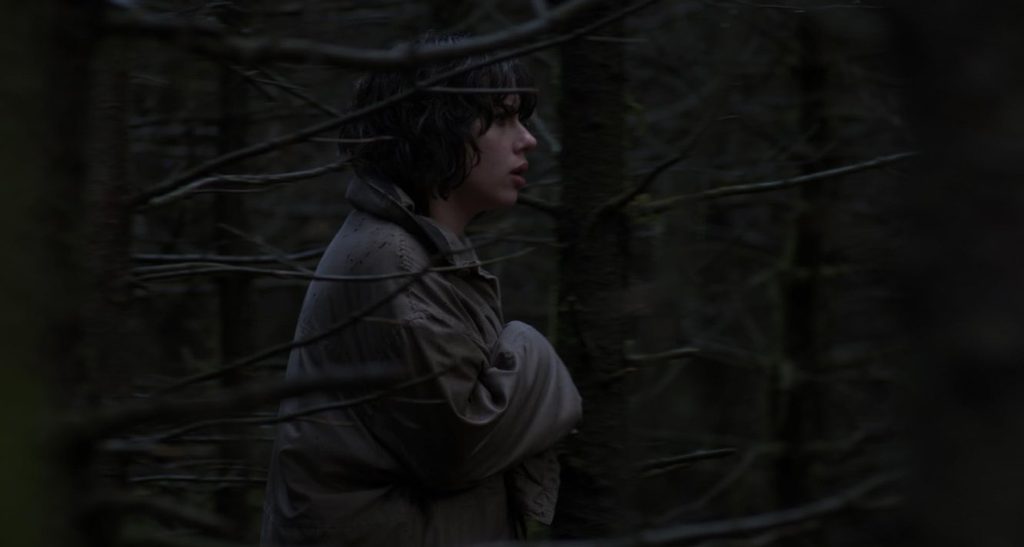
It’s slow cinema with a body count, which is either your favorite genre or a reason to check your phone every five minutes while wondering when something will actually happen.
Critics initially praised Under the Skin for its boldness, but audience scores tell a different story of betrayal and boredom. Scarlett’s performance requires her to be simultaneously seductive and inhuman, a walking uncanny valley that makes every flirtation feel like a threat. She reportedly improvised many of the pickup scenes with actual Scottish civilians who didn’t know they were in a movie until later, which is either brilliant method filmmaking or evidence that Glazer enjoys psychological warfare against the working class for art’s sake.
The ending features Scarlett’s character burning alive while trying to understand human connection, which is either profound commentary on gender and violence or ninety minutes of your life you’ll never get back depending on your tolerance for art house suffering.
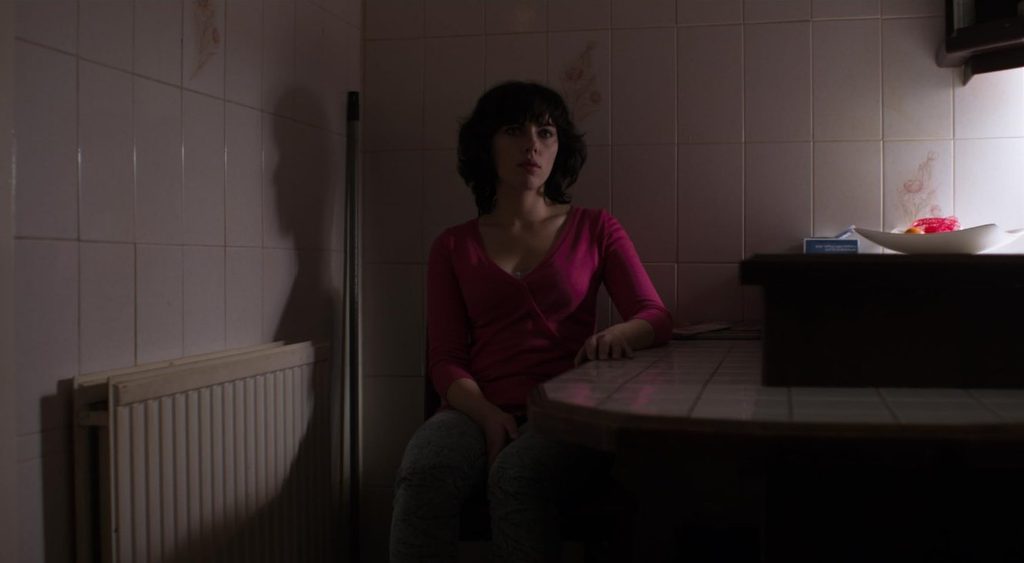
Under the Skin refuses to explain itself, which is refreshing in an era where every blockbuster needs three scenes of characters explaining the plot to each other like we’re all concussed. But it also means the film sits there, daring you to call it boring, which many have done with increasing volume over the decade since release.
What’s remarkable is how the discourse has shifted. Under the Skin was initially dismissed as pretentious nonsense, but has since been reclaimed as a feminist classic about predation and gaze reversal. Scarlett’s alien becomes the victim of male violence in the final act, flipping the script on her earlier hunting. It’s the kind of movie that requires post-viewing research to appreciate, which is either a feature or a bug depending on how much homework you want from your entertainment versus pure escapist joy.
Love it or hate it, Under the Skin proves that Scarlett Johansson will follow a director’s vision straight into incomprehensibility if the paycheck is right or the artistic challenge is compelling enough. The film stands as a reminder that not every movie wants to be liked, and some would rather haunt your dreams with images of men sinking into black floors while Mica Levi’s score scratches at your sanity like a cat at the door. Under the Skin isn’t for everyone, which might be the highest compliment you can pay a horror film in 2024, assuming you can stay awake through the Glasgow driving scenes.
Also Read: Martyrs Plot Leak Reveals Scarlett’s Exorcism Survival Twist