
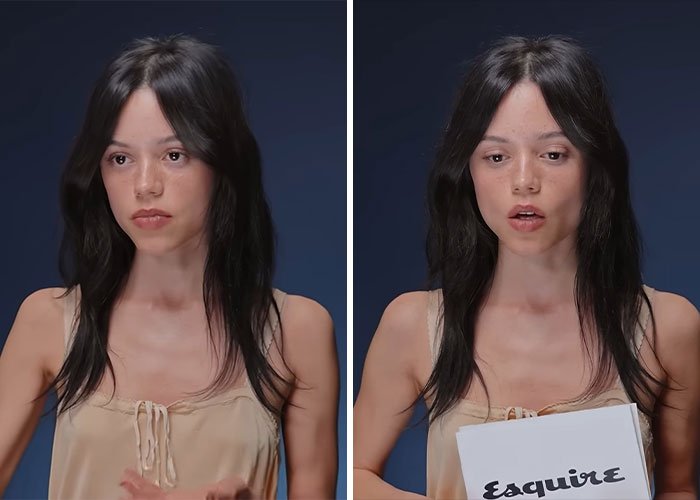
Ozempic isn’t just a diabetes medication anymore; it’s the open secret behind every red carpet transformation that makes you feel bad about your lunch choices while scrolling through your feed. The Hollywood weight loss epidemic has reached critical mass, with A-listers shrinking before our eyes while pretending it’s Pilates and clean eating that carved their faces into new geometries.

Ozempic has become the industry’s favorite performance enhancer, except instead of hitting baseballs farther, it’s making actresses fit into sample sizes from their twenties while their agents applaud the “discipline” and “commitment to the craft.”
The trend started quietly enough, with a few mysterious transformations that defied aging and physics. Now Ozempic is everywhere, fueling a arms race of thinness that makes the nineties heroin chic look like body positivity. Studios love it because they don’t have to pay for trainers and chefs when a weekly injection does the work of both, plus therapy. Actresses love it because booking rates spike when your cheekbones could cut glass and your waist disappears behind a microphone stand, creating a silhouette that reads as success on camera.
What’s concerning is the health narrative being rewritten. Ozempic side effects include muscle wasting, facial aging, and the kind of nausea that makes eating a chore rather than a pleasure. But Hollywood treats these as acceptable trade-offs for fitting into that gown or landing that franchise role. The message is clear: your natural body is the enemy, and pharmaceutical intervention is the only hero worth celebrating.

It’s a regression disguised as wellness, with doctors prescribing off-label and Instagram providing the before-and-after inspiration that keeps the cycle spinning faster than a centrifuge.
The industry claims it’s about health, which is hilarious coming from the same system that celebrated cigarettes and cocaine as diet aids in previous decades. Ozempic is just the latest tool in a long line of bodily punishments disguised as glamour. When every premiere features another star looking alarmingly fragile, we have to ask whether we’re watching entertainment or a slow-motion medical crisis with good lighting and a step-and-repeat banner.
Younger actors are feeling the pressure earlier, with twenty-somethings already seeking prescriptions to stay competitive against peers who look like they haven’t eaten since high school graduation. Ozempic has democratized the eating disorder, making it accessible via prescription pad rather than just willpower and self-loathing. The result is a generation of performers who might look great in 4K but feel terrible in real life, assuming they have the energy to feel anything beyond the side effects of their weekly shots.
Hollywood will eventually move on to the next miracle cure, leaving behind the health consequences and the impossible standards that broke a thousand metabolisms. But Ozempic’s current grip on the industry suggests we’re in the middle of a physical transformation that future documentaries will judge harshly. For now, the cameras keep rolling, the injections keep happening, and the red carpets keep featuring bodies that look increasingly like they belong to a different species entirely. At least the clothes fit, even if the organs are screaming for mercy.
Also Read: Under the Skin Remains ScarJo’s Most Divisive Horror Experiment