
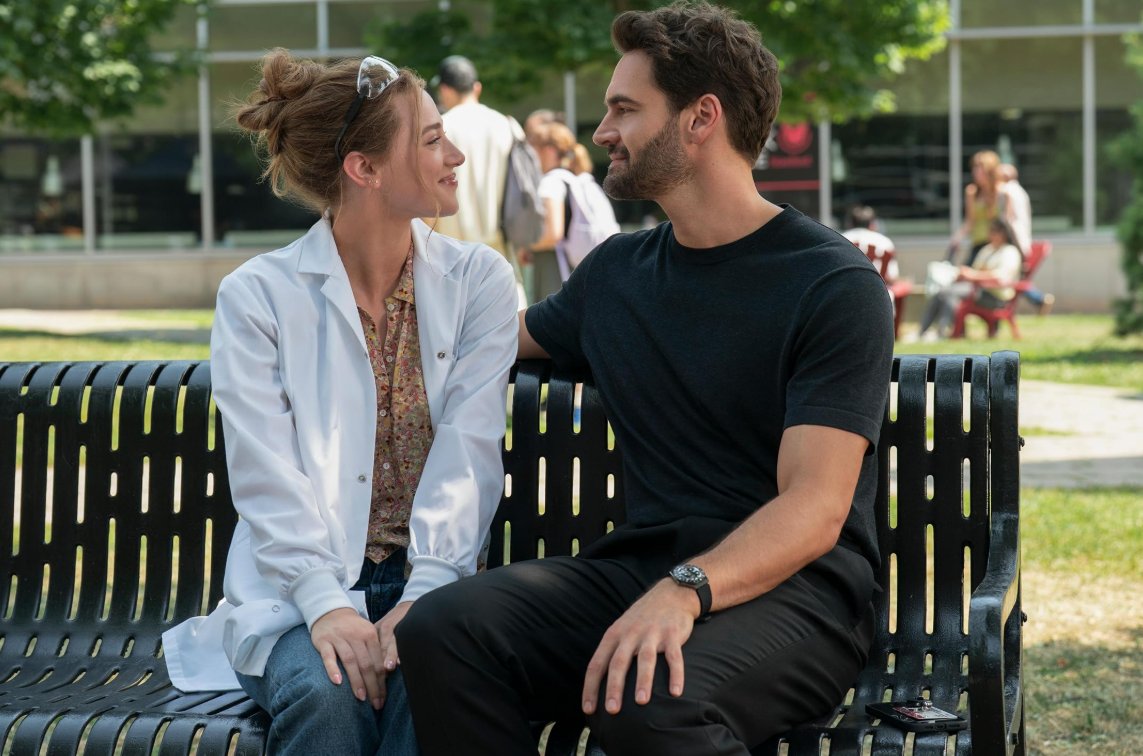
The Love Hypothesis has landed on screen. The beloved romance novel by Ali Hazelwood, a staple of bookstore displays and TikTok feeds, has made the leap to Prime Video. For fans of the book, it’s a moment of triumph. For everyone else, it’s a litmus test: can a story so deeply rooted in a very specific fan culture translate? The early answer seems to be a cautious, but optimistic, yes—with one major caveat everyone’s talking about.
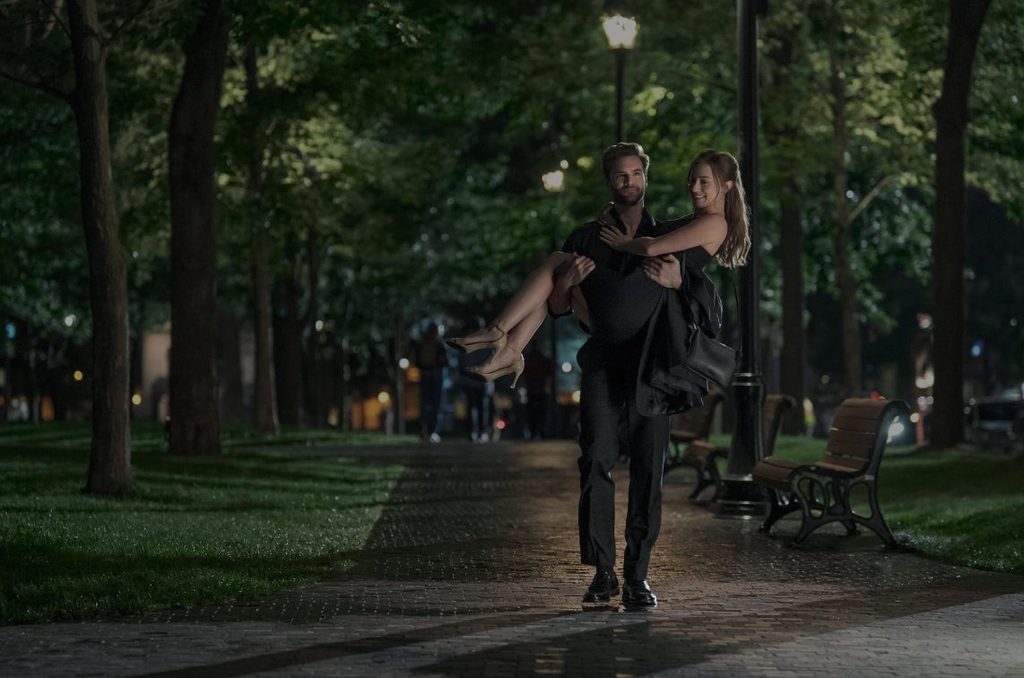
The film follows the same premise: Olive, a pragmatic biology PhD student, fake-dates Adam Carlsen, her intimidating, brilliant, and notoriously grumpy professor, to convince her friend she’s moved on. Chaos, science jokes, and inevitable real feelings ensue. The leads capture the dynamic well. There’s a palpable tension, and the academic setting provides a fresh backdrop of lab coats and conference drama instead of boardrooms and coffee shops.
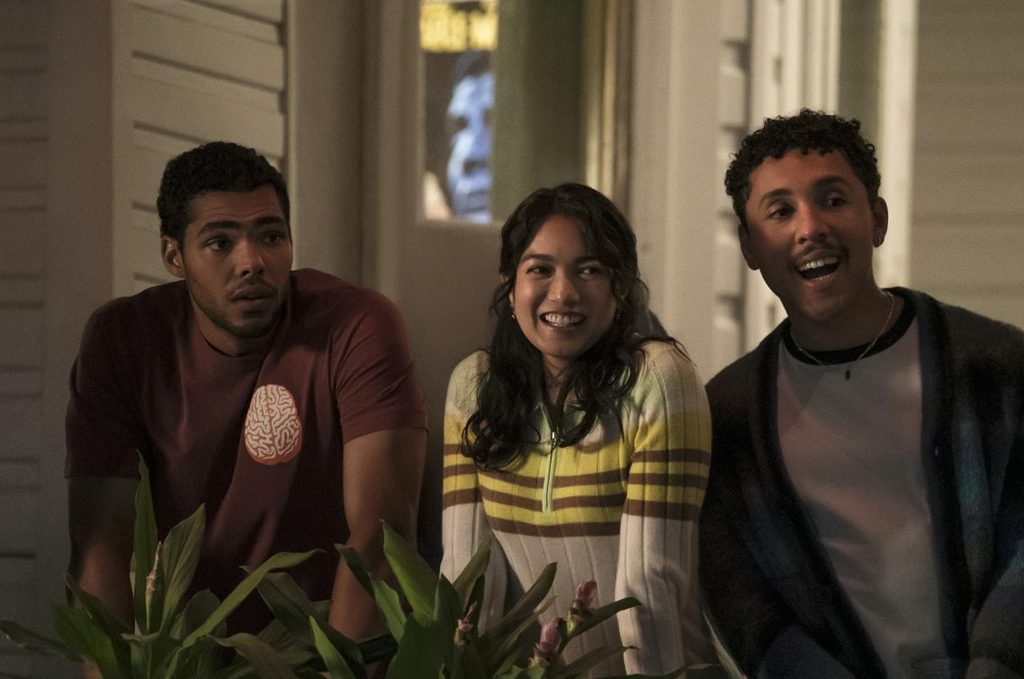
Here’s the thing, though. The movie has to contend with the book’s most famous… inspiration. Let’s just say the character of Adam Carlsen, with his particular brand of brooding genius, bears more than a passing resemblance to a certain Star Wars character as imagined in a very prolific corner of the internet. The book famously began as Reylo fanfiction. The film adaptation walks a tightrope: it must deliver the story millions bought, while consciously stepping out of that very specific shadow to stand on its own.
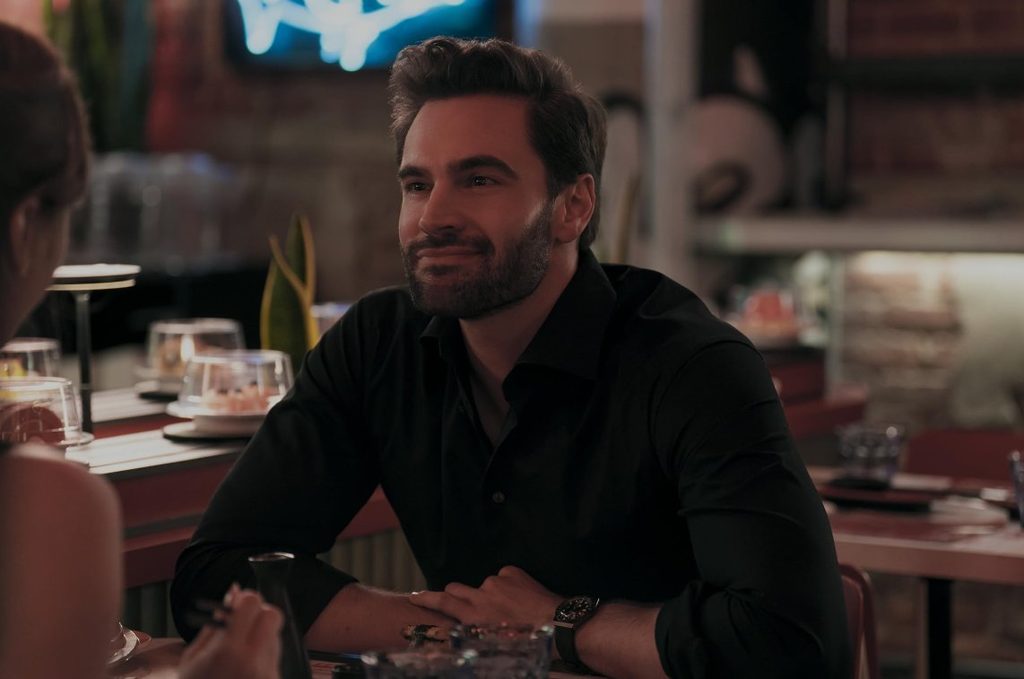
Initial reactions suggest it mostly sticks the landing. It embraces the tropes that made the book a hit—the grumpy/sunshine dynamic, the forced proximity, the smart dialogue.. without getting bogged down in its meta origins. The movie’s success hinges on whether it feels like a genuine romance or a cosplay of one. For new viewers, it plays as a sharp, enemies-to-lovers rom-com with a STEM twist.
For those in the know, it’s a fascinating case study in adaptation alchemy, transforming familiar archetypes into a new, marketable entity. The question isn’t really about the plot; it’s about whether the feeling survives the translation. Does the movie have its own hypothesis about love, or is it just running someone else’s experiment? The early data looks promising.
Also Read: Practical Magic 2 Plot Twist: The Aunts Are Back, and They’re Not Happy