
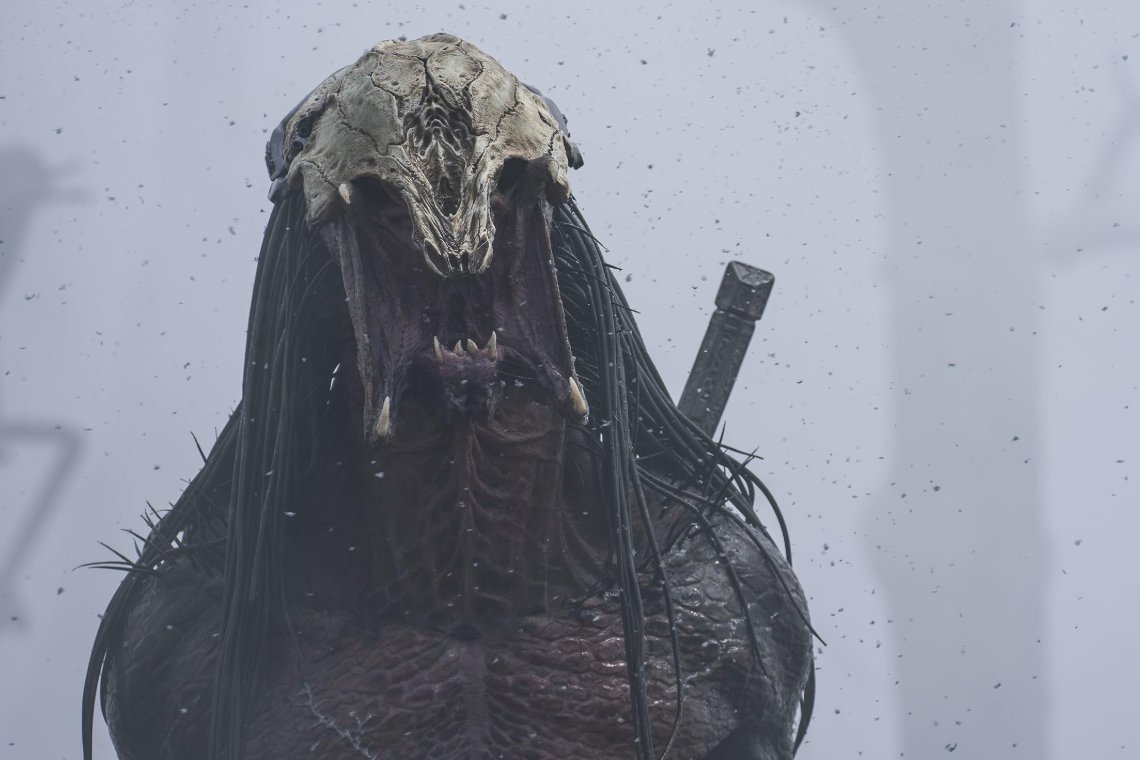
The genius of Prey, the stunning Predator prequel set in the Comanche Nation in 1719, wasn’t just in its historical setting or its fierce protagonist. It was in the monster. The film’s creature design has become a topic of obsession, and for good reason. This wasn’t a CGI phantom; it was a tangible, breathing, terrifyingly practical creation. Newly surfaced behind-the-scenes details reveal just how much old-school craftsmanship went into making this hunter feel lethally real.

The key was a return to the original 1987 film’s philosophy: build it for real. While digital effects were used for the cloaking device and some movement enhancements, the core of the Predator was a suit. An incredibly detailed, articulated, and functional suit worn by actor Dane DiLiegro.
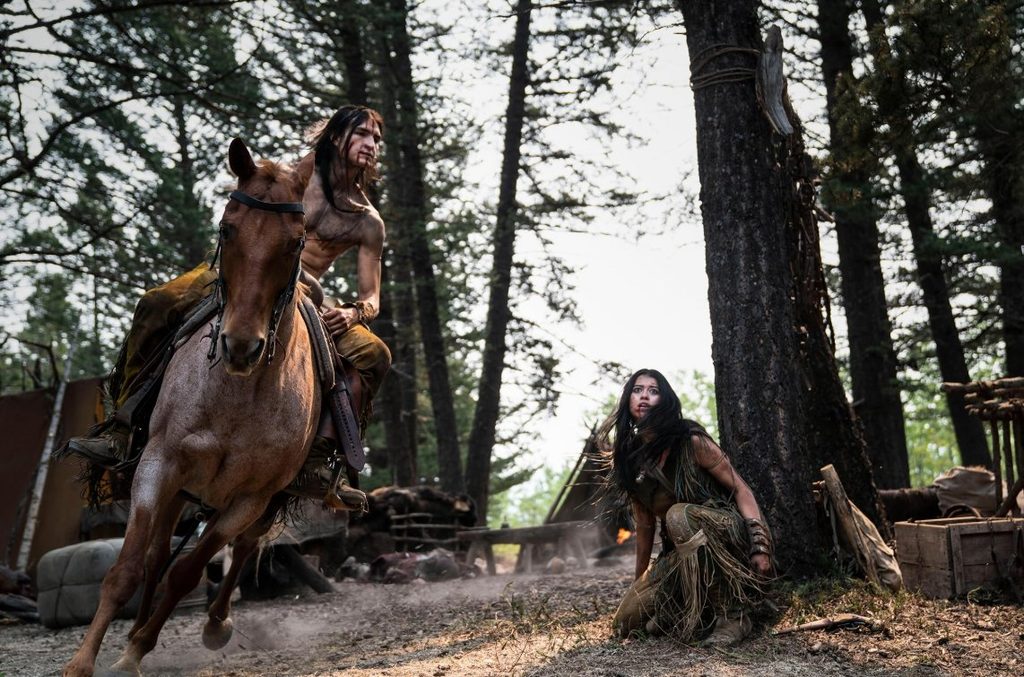
The design itself was a subtle evolution—leaner, more biomechanical, with clearer mandibles and a less bulky silhouette, suggesting an earlier, perhaps more agile, version of the species. This wasn’t an update for update’s sake; it was a narrative choice. This creature is a younger hunter, testing itself on a new planet. The design reflects that.
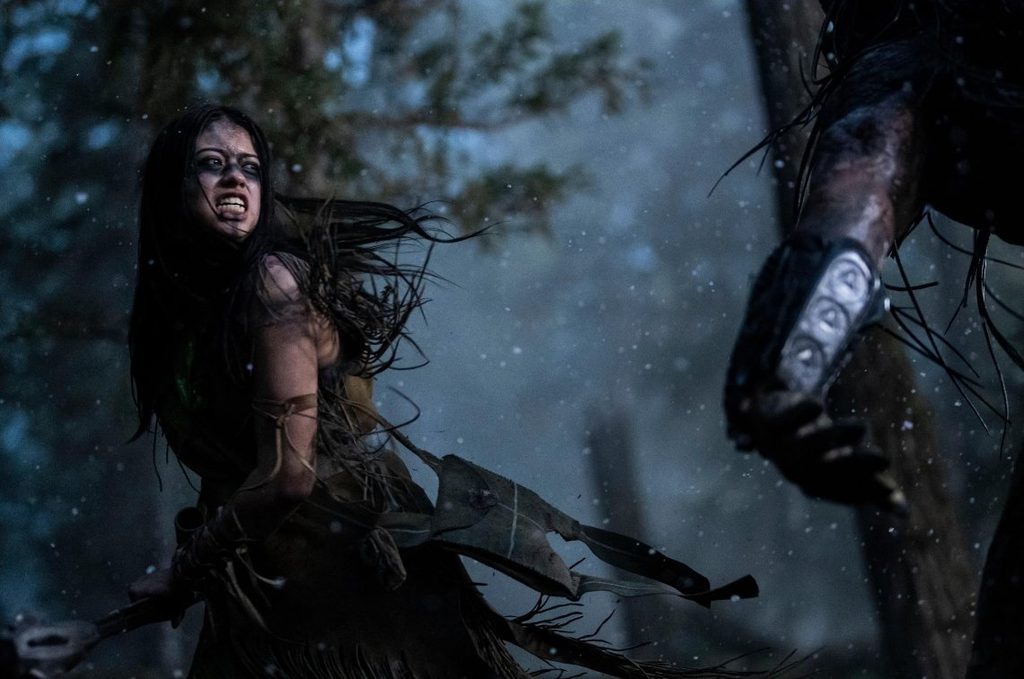
The practical effects created moments CGI simply can’t replicate. The weight of its footsteps on the forest floor. The way light and rain interacted with the textures of its skin and armor. The visceral physicality of its fights with the film’s hero, Naru. When it gets hit, you feel the impact. When it moves, you believe a massive entity is there, not a collection of pixels added later. This commitment extended to its weapons, like the iconic wrist blades, which were often practical props.
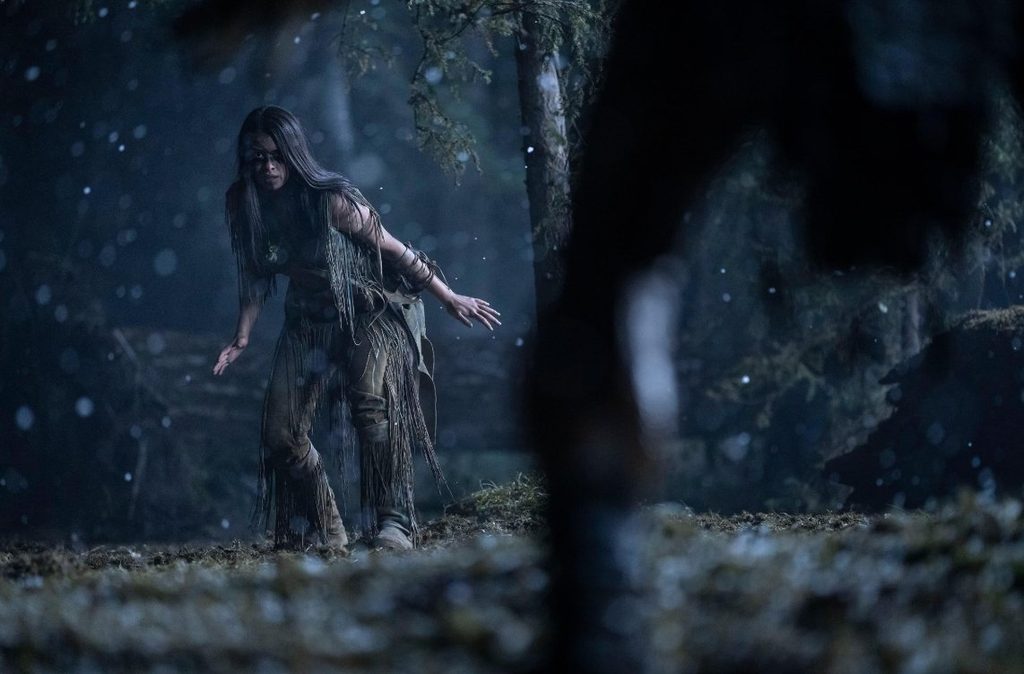
This approach forced a different directorial style. Director Dan Trachtenberg had to shoot around a physical being, using clever camera angles and lighting to enhance, not create, the menace. The result is a predator that feels integrated into its environment. It doesn’t look like it was dropped into the frame in post-production; it looks like it’s hunting there.
In an era where monsters are often weightless digital creations, Prey’s dedication to practical effects gave its Predator a terrifying gravity. It reminded us why the original was so scary: because on some level, you believed it could be real. This creature design didn’t just honor the past; it proved that for pure, primal terror, sometimes you just need to build a better monster.
Also Read: Netflix’s Best of the Best Isn’t Just a Cooking Show