
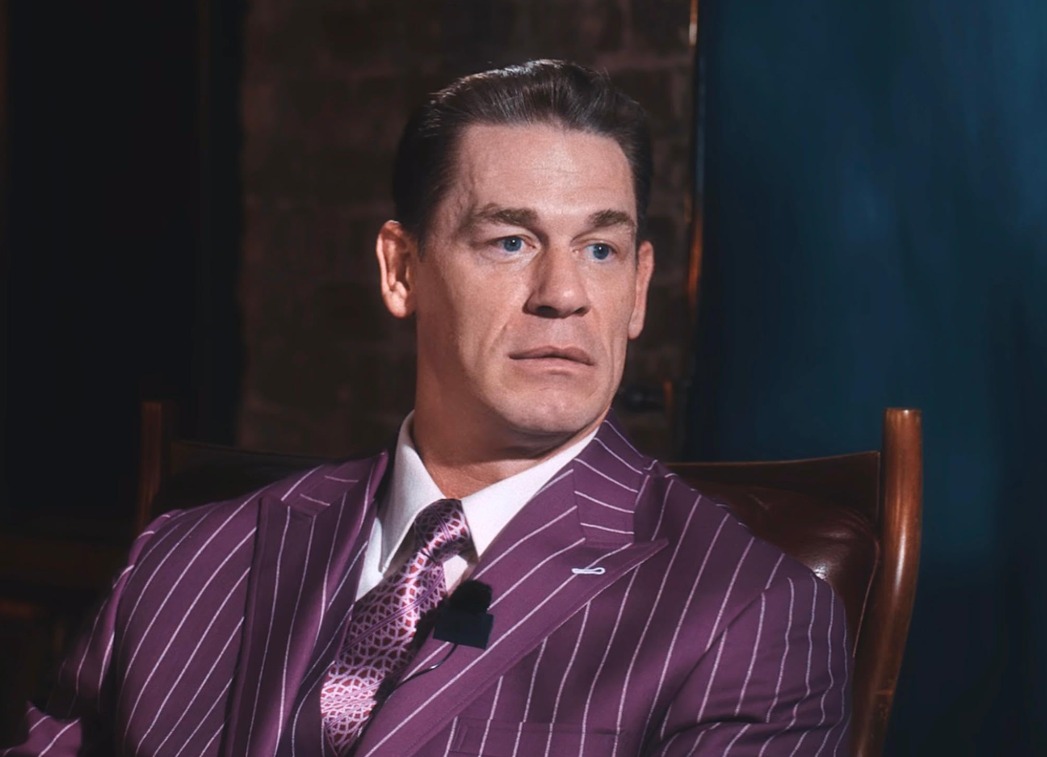
John Cena is one of the rare performers who can be praised as a generous public figure and criticized as a stubborn company loyalist without either description feeling completely out of place. His wrestling retirement in December 2025 closed a major chapter, but it did not settle how audiences should think about the man behind the catchphrases, action roles and carefully managed public image.
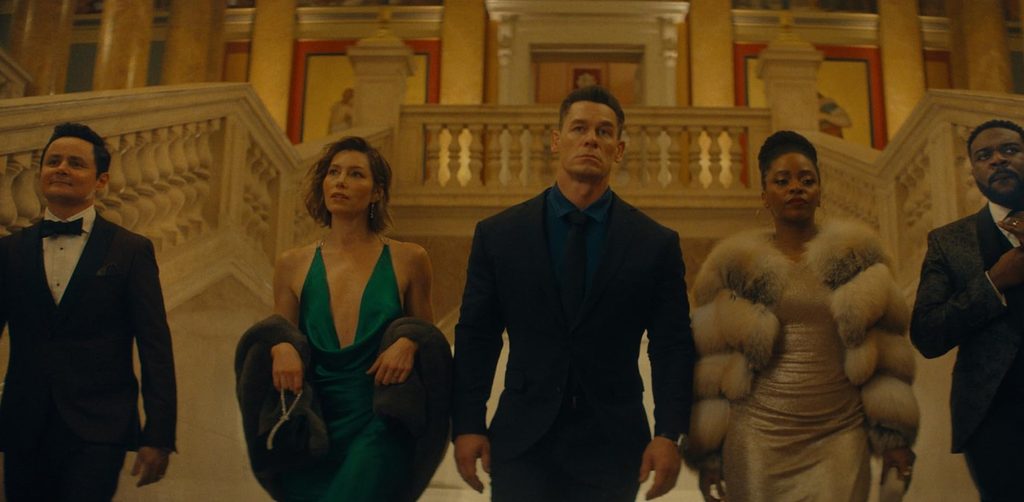
Cena spent more than two decades as one of WWE’s most recognizable stars, winning multiple world championships and becoming a central face of the company. His character was built around discipline, resilience and refusing to quit, qualities that made him a hero to younger viewers and a target for fans who found the persona too polished. Reactions to Cena were rarely neutral. Some admired his consistency, while others wanted more complicated characters and different wrestlers pushed into the spotlight.
His move into acting gave him room to play against that image. In Trainwreck, Cena used his muscular screen presence for comedy, making an intimidating man unexpectedly insecure and awkward. Blockers leaned further into his willingness to make himself the joke. As Peacemaker, he plays a violent antihero whose confidence collapses under the weight of his own contradictions. His brief appearance as a merman in Barbie showed that he could commit to something ridiculous without protecting his tough-guy reputation.
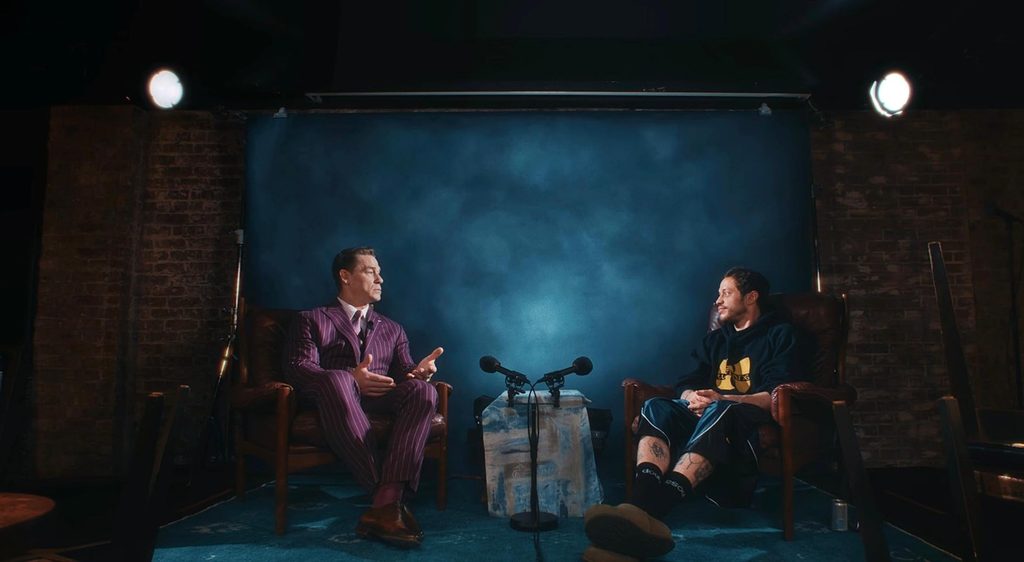
That comic self-awareness is a major reason Cena has found a place in Hollywood beyond wrestling. He is physically imposing, but he does not insist that every scene treat him as the strongest person in the room. He can be silly, emotionally open and endearing. In an industry that often markets male action stars as untouchable, that willingness to look foolish is a useful asset.
His public image has other sides that complicate the story. Cena has spoken openly about his loyalty to WWE and his friendship with former company chairman Vince McMahon, even after allegations against McMahon led to his departure from the organization. Cena also faced criticism over his 2021 apology to Chinese audiences after referring to Taiwan as a country while promoting Fast & Furious 9. Those moments show that loyalty can look admirable in one context and uncomfortable in another.
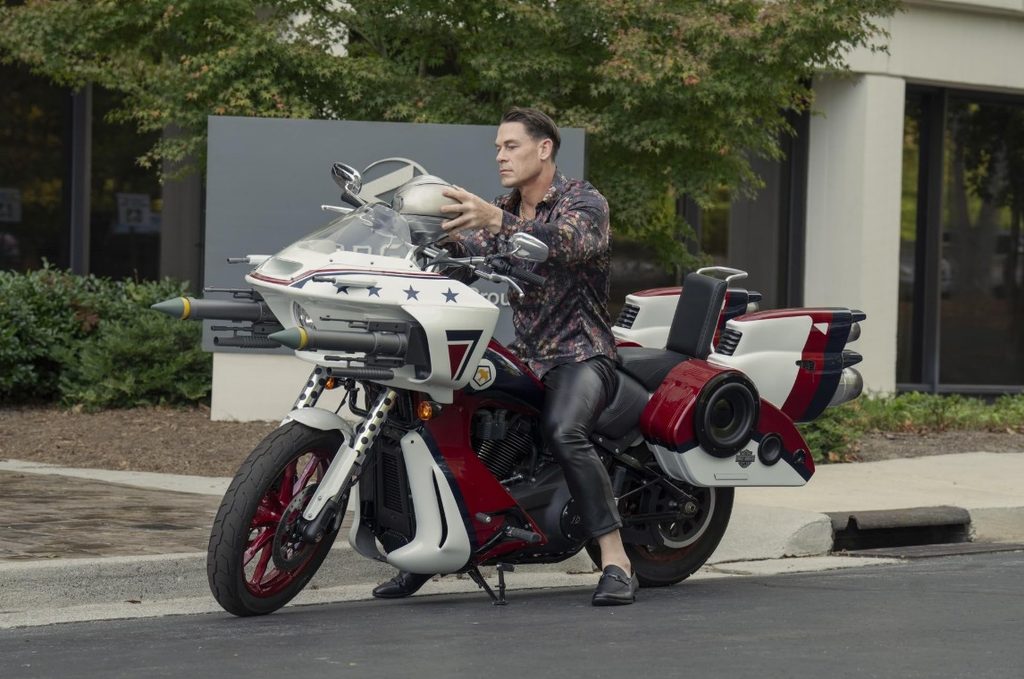
Cena’s charity work offers another reason for goodwill. He has granted more than 650 wishes through Make-A-Wish, a record-setting commitment that has brought him into the lives of children facing serious illnesses. That work is not erased by criticism of his public choices, just as his charitable record does not mean every decision deserves automatic approval.
His retirement makes the split more visible because wrestling no longer gives audiences a weekly character to argue about. Now his public persona is shaped increasingly by interviews, film roles and the values he chooses to defend. Cena has said he wanted to leave the ring while he could still perform at a high level, rather than stretch the career until his body made the decision for him.
John Cena does not need to be perfect to be interesting. His strengths are real, his blind spots are real, and his career has room for both. The question is whether he can keep examining the difference between loyalty and accountability as his next chapter unfolds.
Also Read: Matchbox: The Movie Turns Toy Cars Into Spy Chaos