
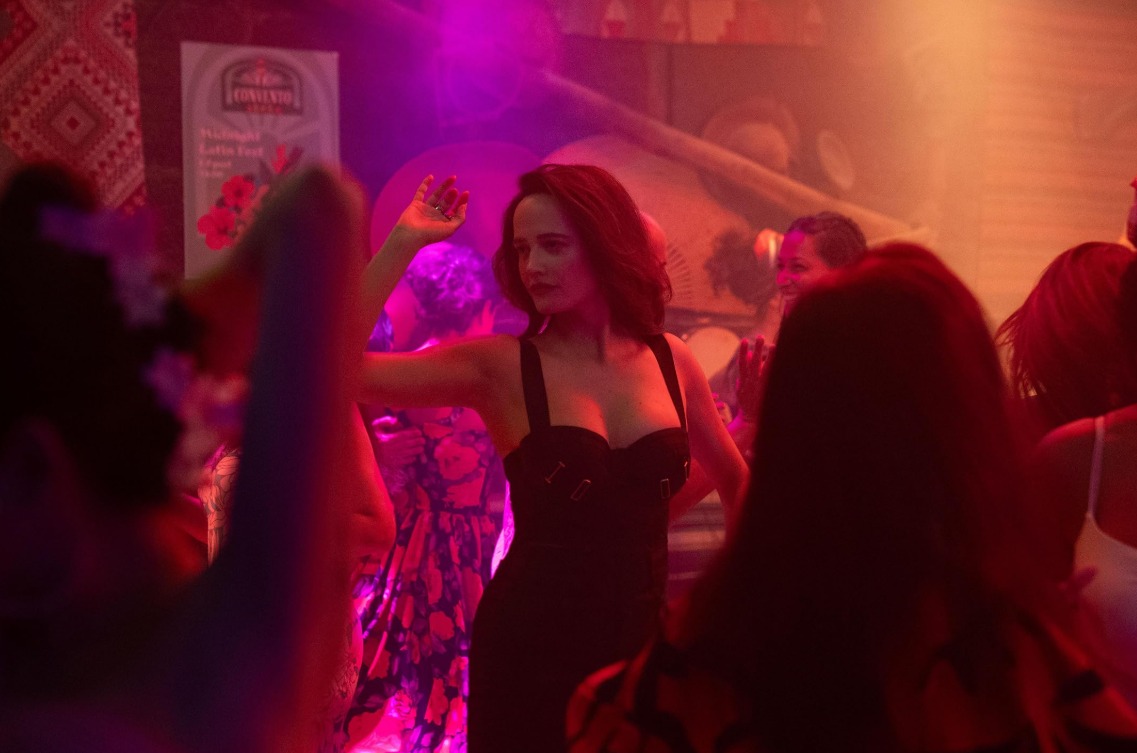
Eva Green is often remembered for The Dreamers, the 2003 drama that introduced her to international audiences and included several intimate scenes. The performance helped launch her career, but it also created an awkward pattern: interviews repeatedly focused on nudity instead of the acting that made the film memorable. That raises a larger question about whether Hollywood begins to associate certain actresses with a particular kind of role after one or two high-profile scenes.
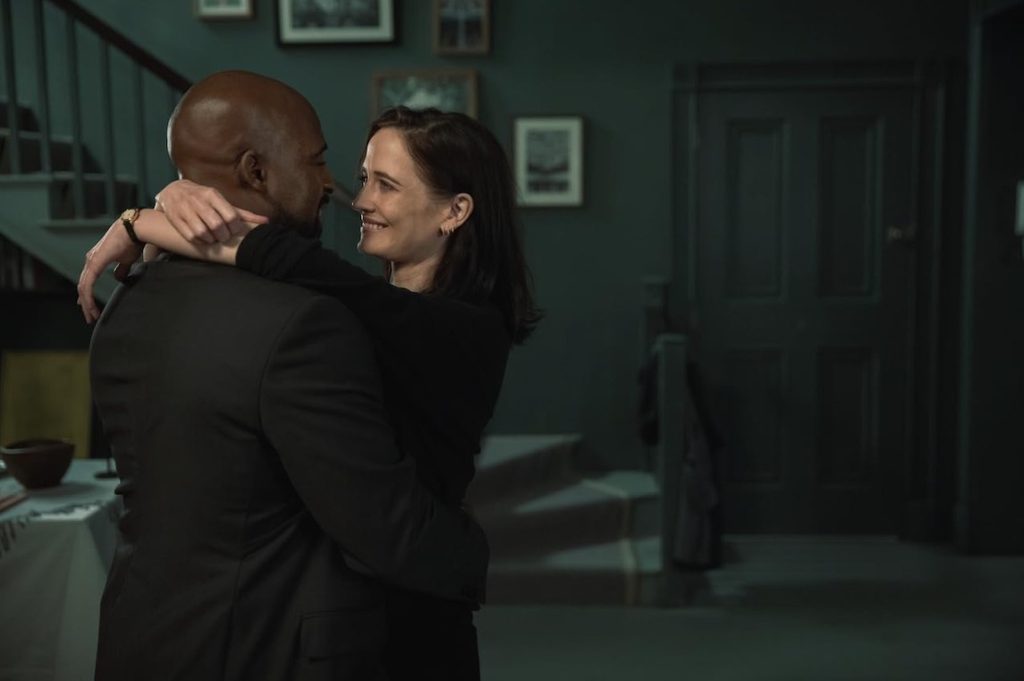
Green has spoken about how the attention around The Dreamers followed her long after filming ended. She was surprised that many interviews kept returning to the film’s sexual content, as though that was the only part of her performance worth discussing. It is a revealing example of how a scene can become the public shorthand for an actor, even when the rest of their career moves in a different direction.
Kate Winslet has faced a similar kind of attention, though her relationship with on-screen nudity has been more openly complicated. Her drawing scene in Titanic became one of the most recognizable moments of the 1997 film, while The Reader and Little Children included other intimate material. Winslet has said that she does not particularly enjoy filming nude scenes, but accepts that they can sometimes be part of a role. She has also pushed back against the idea that an actress must look flawless when appearing naked, arguing that a character should look like a real person.
Angelina Jolie, Monica Bellucci and Penélope Cruz have also been associated with memorable intimate scenes, from Original Sin and Gia to European dramas that treated sexuality as part of a character’s story. That does not mean these actresses were all offered the same roles or that they were unwilling participants. It shows how quickly audiences and the press can reduce a varied career to a handful of images.
There are several reasons the pattern happens. Some performers are comfortable taking on scenes that others decline, while some directors use nudity because it fits the character or the story. Producers may also see sexual material as a marketing tool, especially when a film is trying to attract attention. The trouble begins when casting decisions start to rely on an actress’s previous screen image rather than what a new role actually requires.

Green’s own career shows that the label never fully defined her. After The Dreamers, she played Vesper Lynd in Casino Royale, a sharp and emotionally complicated character whose appeal had little to do with nudity. She later became known for darker roles in Penny Dreadful and other projects, often playing characters with secrets and complicated motives.
Film sets have also changed since the early 2000s. Intimacy coordinators now help productions discuss nudity, simulated sex, consent and closed-set procedures before filming. SAG-AFTRA’s protocols require clear communication and continued consent, giving performers more specific control over what a scene involves.

Nudity can serve a story, but it should not become an actor’s permanent label. The better question is whether the scene reveals something about the character or simply gives the marketing team another image to sell. Eva Green’s career is a reminder that an actress can choose challenging material and still deserve to be discussed for everything else she brings to the screen.