
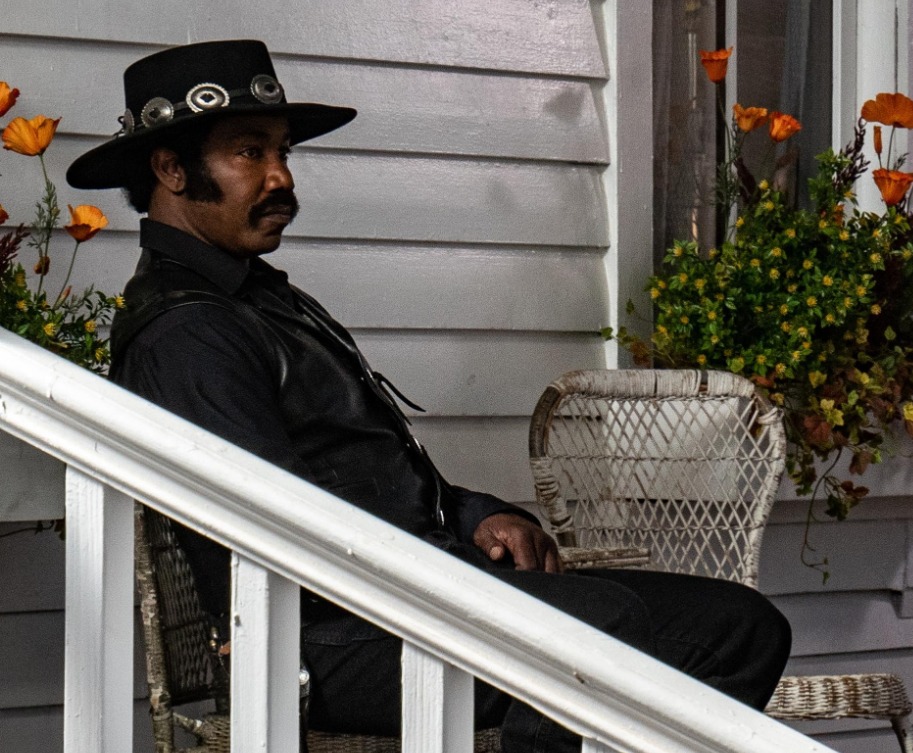
Michael Jai White looks so comfortable throwing punches and kicks on screen that viewers sometimes wonder whether the action is real. The question is fair. Movie choreography can make almost anyone look dangerous, but White has a long martial arts background that began long before Hollywood.
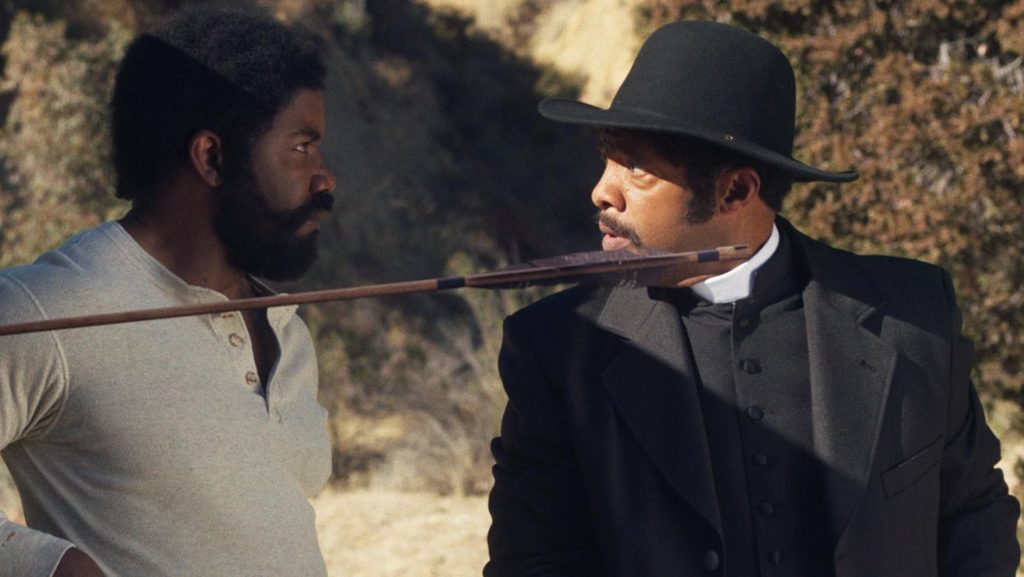
White says he started training in Japanese jujutsu at around seven years old. He later studied Shotokan and Kyokushin karate, among other disciplines. In an interview with Kung Fu Kingdom, he said he holds eight black belts and described Kyokushin as the base of his training for many years. His official biography also lists black belts across several karate styles and says he was teaching karate at a YMCA by age fourteen.
That background explains why his movement often looks different from the average action actor. White does not only rely on fast editing or camera tricks. He has spent years practising balance, distance, timing and body control. His kicks are especially recognisable because he can deliver them with speed while keeping his posture stable.
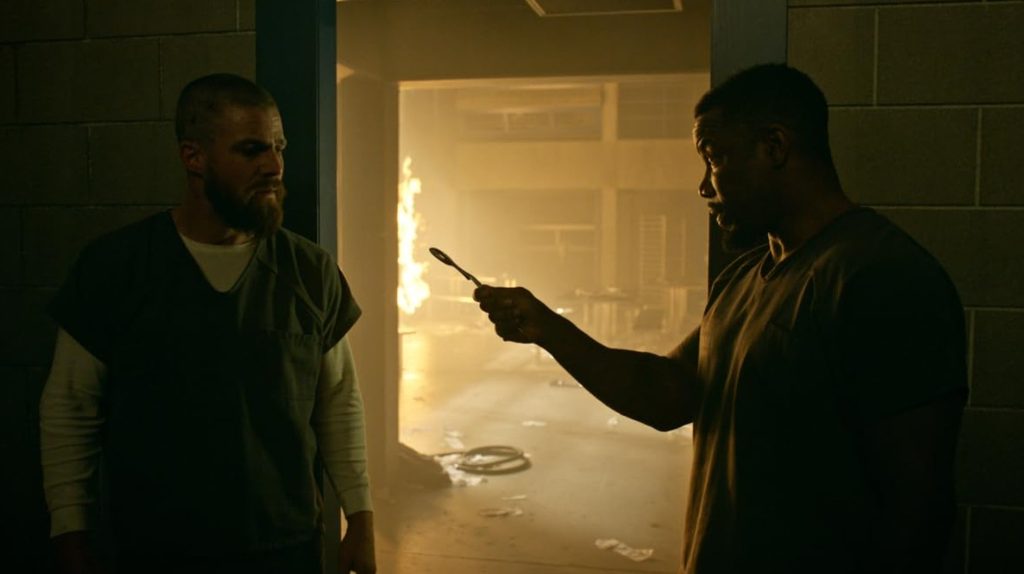
His screen career gives audiences plenty of examples. In Spawn (1997), he played Al Simmons, a murdered soldier who returns from Hell. In Undisputed II: Last Man Standing, he played George Chambers, a former boxing champion forced into prison fights. Blood and Bone gave him another leading martial arts role, while Black Dynamite showed that he could make fun of the action genre as well as perform it.
Still, there is a difference between being a trained martial artist and proving that you can beat an elite professional fighter under competition rules. Public demonstrations and movie scenes cannot establish how someone performs in full-contact competition. Some of White’s punching demonstrations also look different from standard boxing technique because martial arts systems can use different stances and ways of generating power.
Those differences should not erase his training history. They also should not be dismissed automatically. A martial arts rank tells us about training and recognition within a system. It does not, by itself, tell us how someone would perform against a world-class boxer or mixed martial artist. For that, we would need to see the person compete under clear rules against serious opposition.
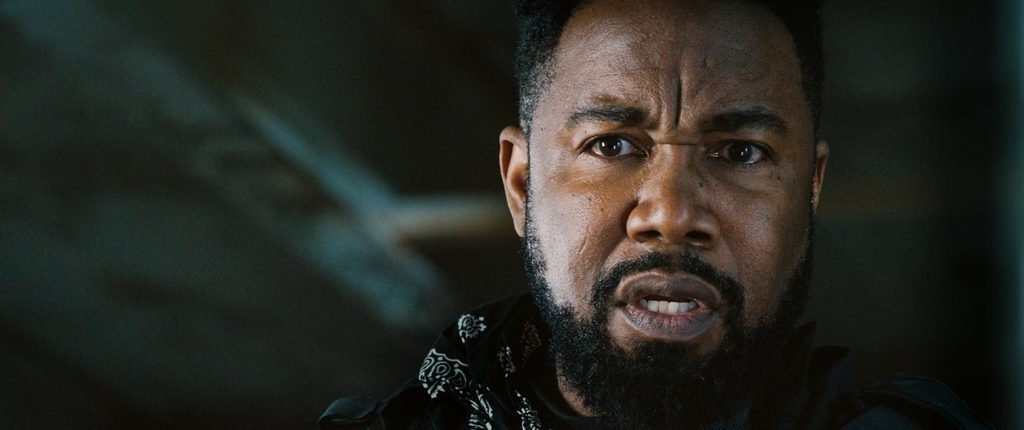
White has also worked with other athletes and performers. In interviews, he has discussed learning from martial arts figures Joe Lewis and Bill Wallace. He has spoken about competition in karate, Shotokan, Taekwondo and Kyokushin. These details give a more useful picture than a single viral clip.
His best quality as an action performer may be the way he makes techniques readable. The audience can follow his stance, see the strike coming and understand why it lands. That takes skill, whether the scene is a real demonstration or a choreographed movie fight.
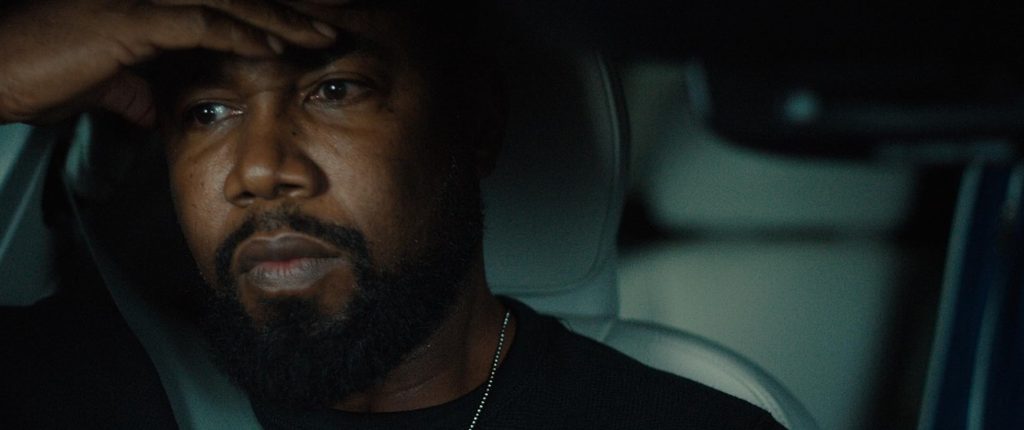
So, is Michael Jai White a real martial artist? His long training history and documented film work support that description. Is he automatically capable of defeating top fighters in every combat sport? That is a different claim, and it needs different evidence. The honest answer is more interesting than either extreme: he is a highly trained martial artist and action actor, not a fictional superhero.
Also Read: Venom’s Best Trilogy Fights Deserved More Carnage