
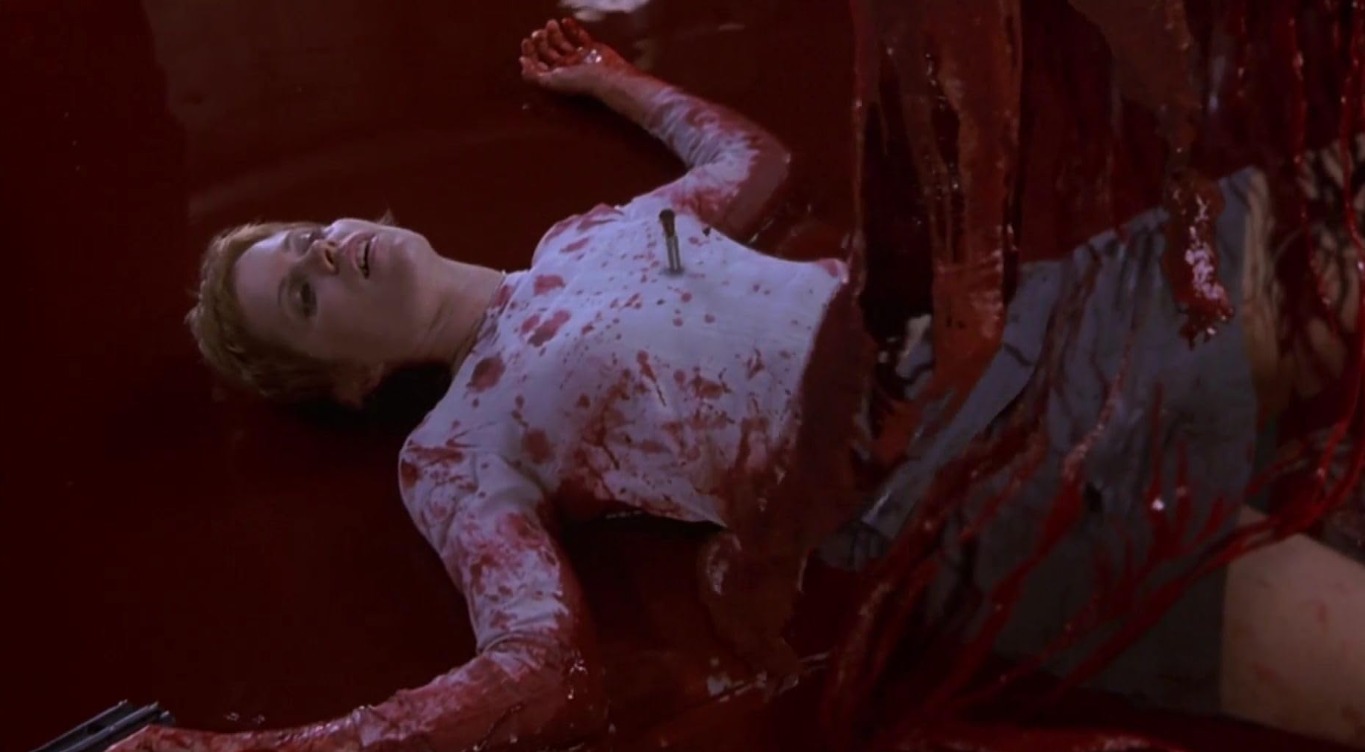
Hollow Man begins with a scientific breakthrough that sounds like a dream. Dr. Sebastian Caine has developed a way to make living creatures invisible. He and his research team have tested the process on animals, and the results suggest that a human trial could be possible. Sebastian decides to become the first person to undergo the experiment himself. It is a decision that turns the laboratory into a prison.
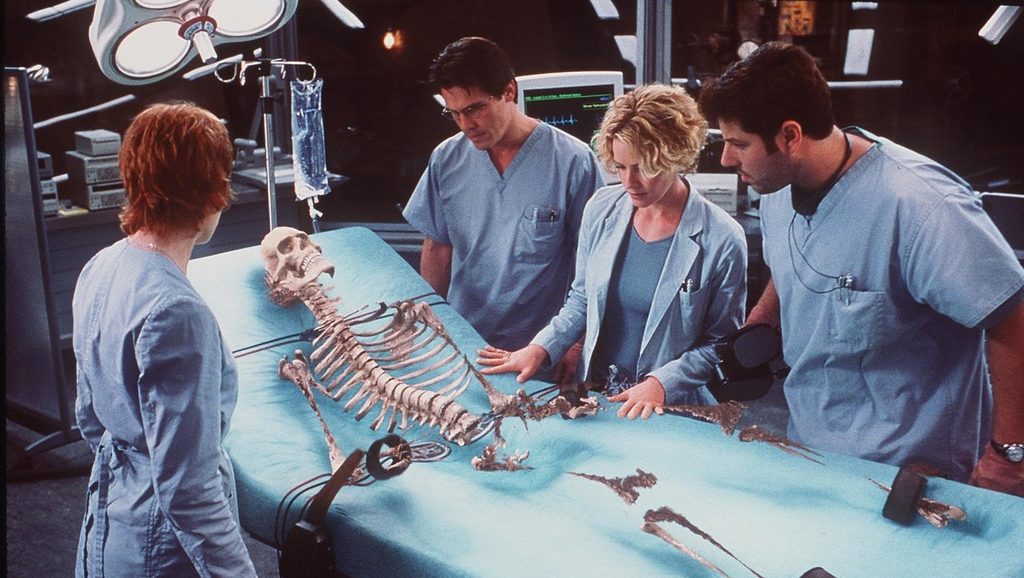
Kevin Bacon plays Sebastian, a brilliant but arrogant scientist leading a government-funded project. Elisabeth Shue plays Linda McKay, his former partner and a member of the research team. Josh Brolin plays Matthew Kensington, another scientist who works closely with Linda. The group believes it is working toward a major discovery, but Sebastian’s personality is already creating problems.
The experiment succeeds. Sebastian’s body becomes invisible, and the team begins to study the process. The problem comes when they cannot reverse it. Sebastian is trapped in a body that nobody can see, and the condition starts affecting his judgement. Without the normal reactions of other people, he becomes increasingly reckless and convinced that he can do whatever he wants.
The invisibility gives him a frightening advantage. He can move around the laboratory without being seen, listen to conversations and approach people without warning. His colleagues try to monitor him with cameras and security systems, but those tools cannot protect them from someone who knows the building better than anyone. As Sebastian becomes more violent, the research team realises that its greatest achievement has become its biggest threat.
The film uses the science-fiction idea to explore a basic question about power. What would someone do if nobody could see them or hold them accountable? Sebastian’s behaviour suggests that invisibility does not create his cruelty. It removes the barriers that previously kept it under control.

The story is inspired by H. G. Wells’s 1897 novel The Invisible Man, although the film changes the setting and gives invisibility a scientific explanation. Wells’s original character also becomes dangerous after gaining the ability to disappear. Both stories use the same unsettling idea: being unseen can make a person feel free, but it can also leave everyone else vulnerable.
Director Paul Verhoeven was known for science-fiction films that mixed spectacle with uncomfortable questions. His earlier work included RoboCop and Starship Troopers. Hollow Man continues that interest through a thriller built around the consequences of scientific ambition. The movie’s violence and dark humour also make it more than a standard laboratory disaster story.

The visual effects were a major part of the production. Artists had to show Sebastian’s body disappearing layer by layer, sometimes revealing muscles, bones and internal organs before the skin vanished. The Los Angeles Times reported that the film contained around 560 effects shots, making the work more demanding than the filmmakers had first expected.
Hollow Man was released in 2000 and also stars Kim Dickens, Greg Grunberg, Mary Randle and Joey Slotnick as members of the research team. It became a box-office success, even though critics had mixed reactions to its story.
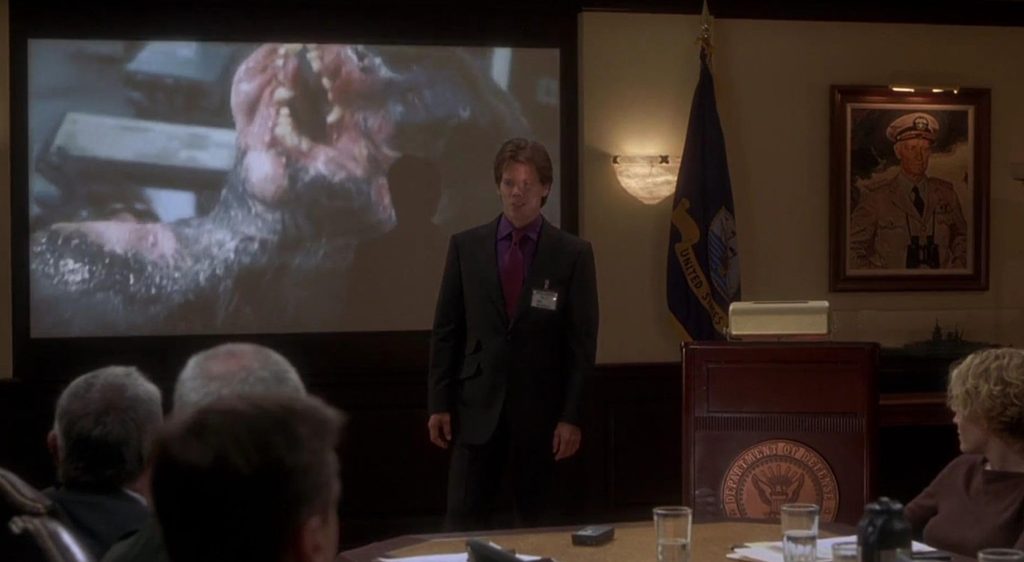
The most frightening part is not the invisibility itself. It is watching a respected scientist decide that nobody else’s safety matters. Sebastian begins as the person leading the experiment. By the end, his former colleagues are fighting to survive the man they helped create.
Also Read: Men in Black Explains Why the World Must Stay in the Dark