
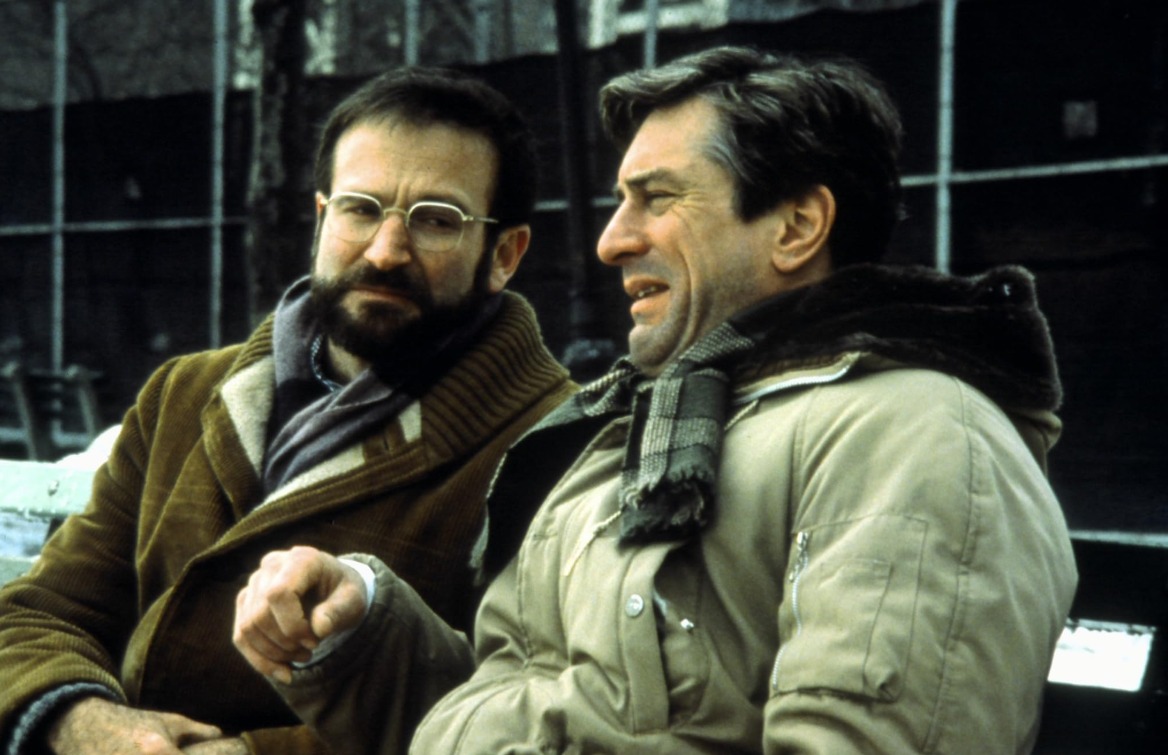
A ball rolls into the room, and a man who has spent years barely responding to the world suddenly gives everyone a reason to look closer. It is a small moment, almost too simple to notice at first. But in Awakenings, that tiny reaction becomes the kind of breakthrough that makes you forget to blink. Just a ball, a doctor, and a patient who may be finding his way back.
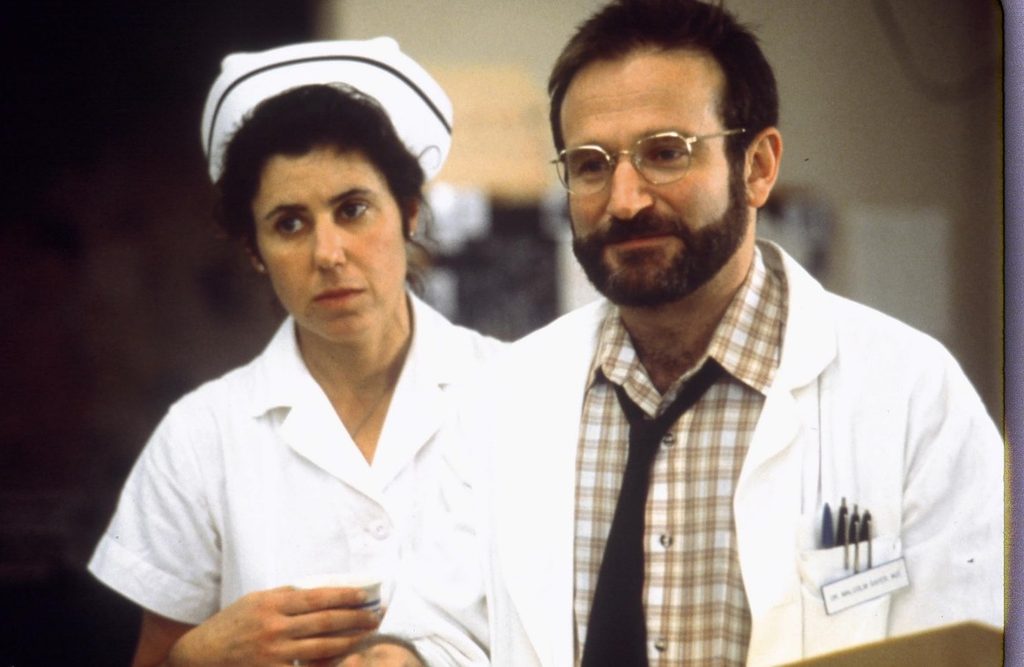
Released in 1990, Awakenings stars Robin Williams as Dr. Malcolm Sayer, a quiet physician who works with patients left in catatonic states after an encephalitis outbreak. Robert De Niro plays Leonard Lowe, one of those patients. Leonard has spent decades cut off from ordinary life. Then Sayer decides that silence may not be the whole story.
The film builds its emotional weight through small observations. Sayer studies the patients instead of treating them as people who are beyond help. He notices patterns, tests ideas, and keeps trying even when the odds look poor. When he sees a response from Leonard, he does not turn it into a victory lap. He watches. He waits. And that patience is what makes the ball scene land so well. The object is ordinary, but the reaction is not.
De Niro gives Leonard a difficult role because so much of the character’s life has to be communicated without words. A slight movement or a change in expression carries more weight than a full page of dialogue. When Leonard starts showing awareness, the audience feels the shift before anyone can be sure what it means.
Williams is just as important. His Dr. Sayer is not a swaggering genius who walks in and fixes everything by lunch. He is awkward, curious, and often unsure of himself. That makes the medical breakthrough feel earned rather than magical. Awakenings gives him room to be a doctor who cares, but also a person learning how much he still does not understand.
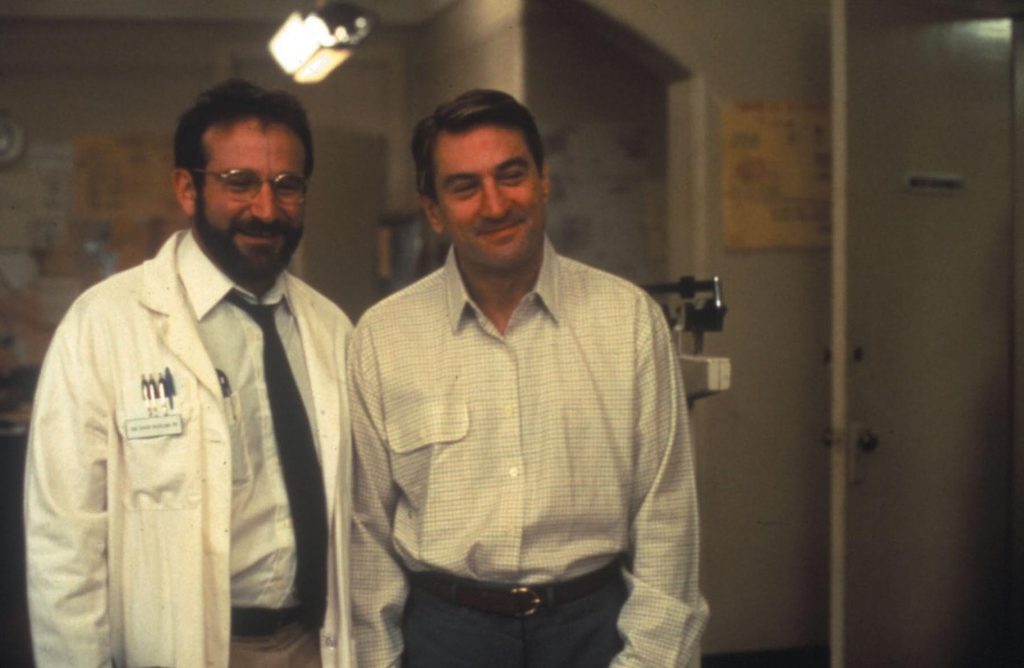
The story draws from neurologist Oliver Sacks and his accounts of patients who experienced long periods of post-encephalitic illness. The film adapts those experiences into a human drama, not a medical instruction manual. Its treatment of the experimental drug and its effects is part of the story’s tension. A return to awareness can bring joy, but it can also bring confusion, frustration, and painful questions about all the years that have passed.
That is why the ball matters. It is not just proof that Leonard can react. It hints at the life, memories, and choices waiting behind a condition that has kept him still. Awakenings understands that recovery is not a neat switch from tragedy to happiness. It can be messy. It can be brief. It can ask more of everyone involved than they expected.
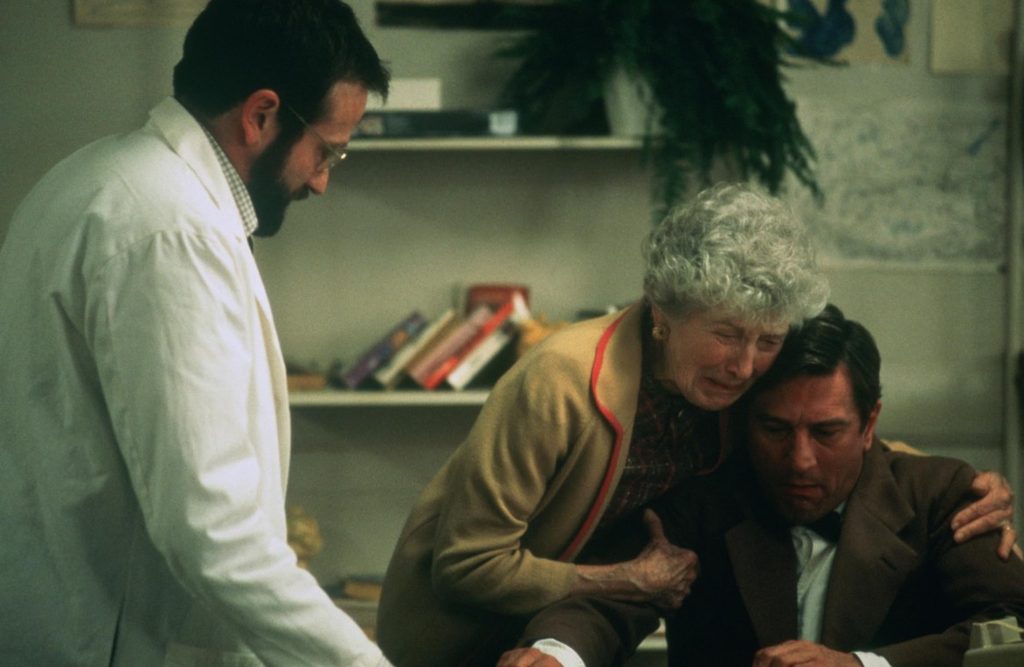
More than three decades later, the scene still works because it does not force the emotion. It lets a simple action speak. Watch Leonard’s face, watch Sayer’s reaction, and notice how carefully the film handles that fragile moment. Sometimes a story does not need an explosion to make the room feel different. Sometimes all it needs is a ball rolling toward someone who is finally ready to meet it.
Also Read: The Pope’s Exorcist and Legion Bring Demons to Life