
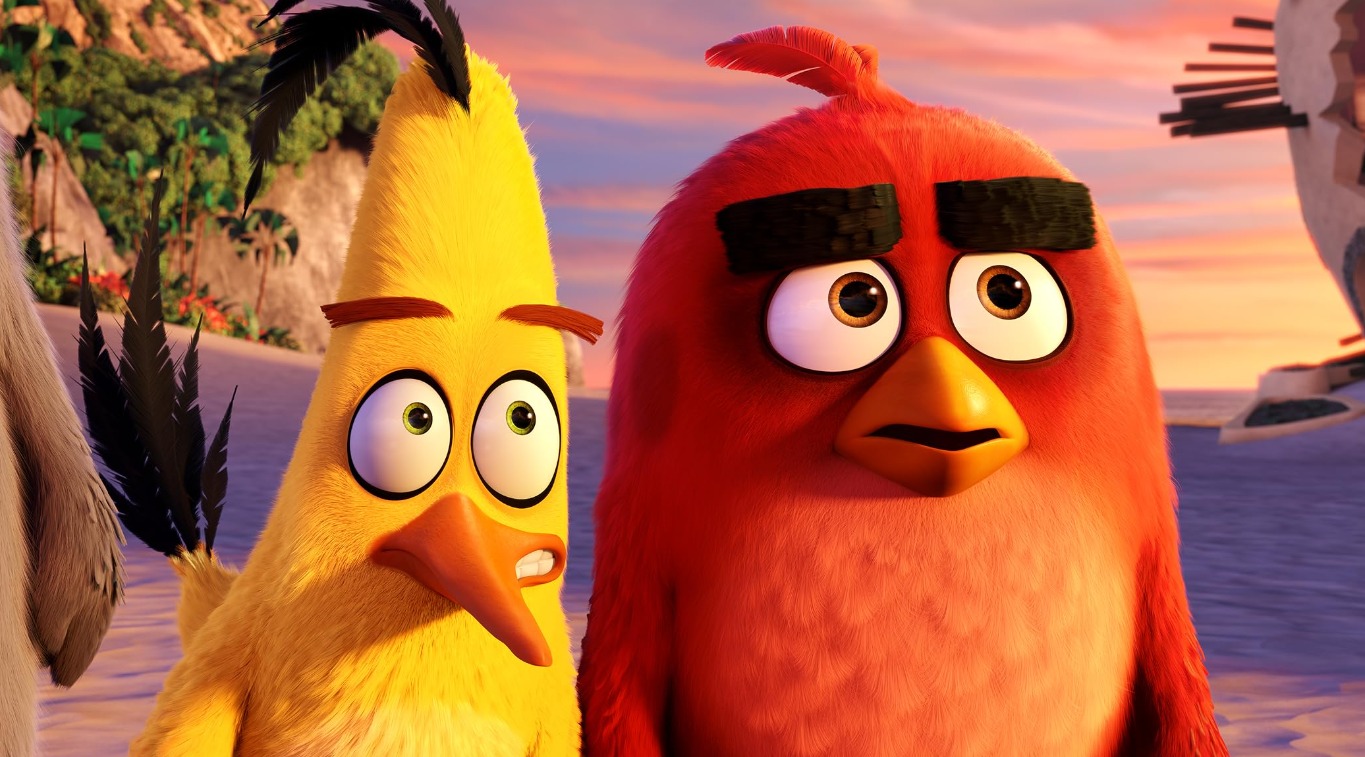
Some characters make an entrance. Chuck usually arrives before anyone has finished noticing that he is gone. Across The Angry Birds Movie and its sequel, his speed, restless energy, and over-the-top reactions turn ordinary moments into comic chaos. Whether he is racing around, interrupting a conversation, or annoying his friends with one more joke, he rarely stays still long enough for anyone to catch their breath.
The two animated films give him plenty of room to bounce off the rest of the flock. In the first movie, Red is the grumpy outsider, Bomb is the gentle giant with an explosive problem, and Chuck is the fast-talking friend who treats almost every situation like an opportunity to show off. Their personalities are very different, which is why their interactions work. Red wants control, Bomb tries to keep things steady, and their speedy companion is usually doing the exact opposite.
A lot of the comedy comes from the contrast between what is happening and how quickly he reacts to it. A serious conversation can turn into a blur of movement. A small surprise can produce an enormous expression. Even when the group is trying to focus on a task, his energy makes it difficult to keep the attention in one place. The jokes are visual as much as verbal, with quick movements and exaggerated reactions carrying as much weight as the dialogue.
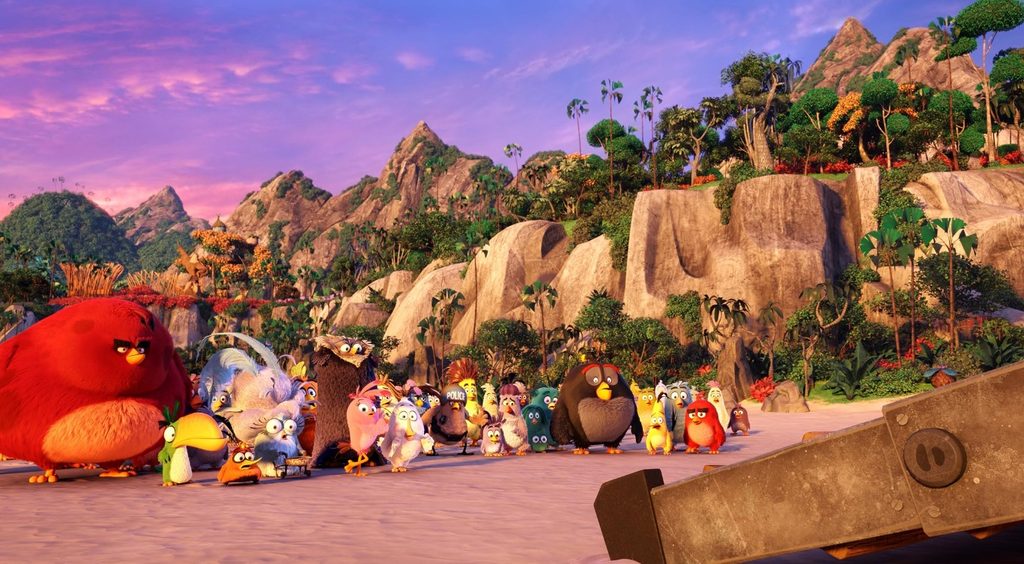
His friendship with Red and Bomb is a big part of the appeal. Red is often the one trying to bring some order to the situation, while Bomb’s calm personality gives the group a different kind of balance. Their exchanges make the humour feel like a friendship rather than a collection of random gags. The characters know each other’s habits, and that familiarity gives every interruption or reaction a little extra punch.
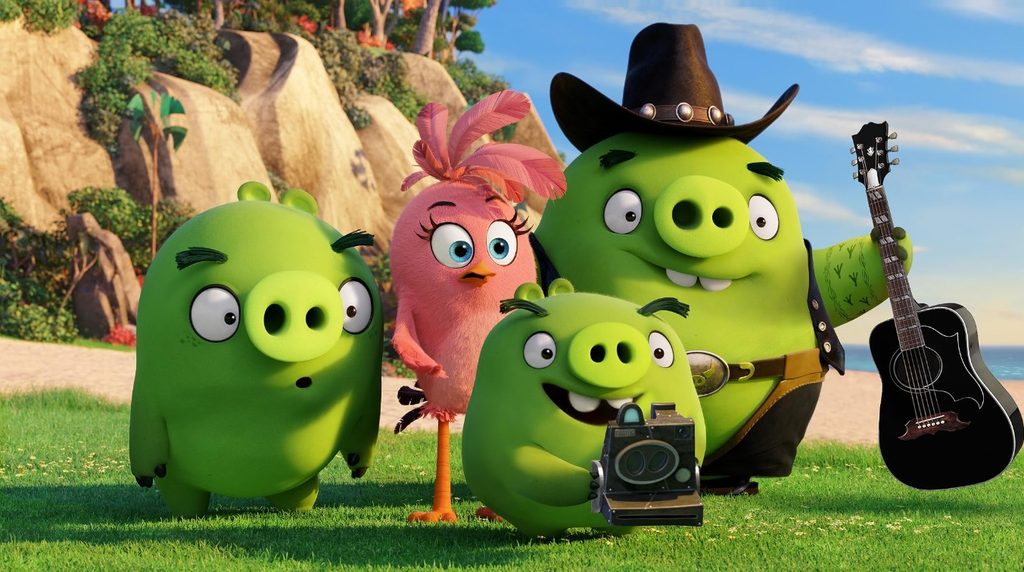
The sequel takes the flock into another adventure and expands the number of personalities around them. That means more chances for comic clashes, especially when the birds meet Leonard and the other pigs. His quick-fire attitude makes him a natural source of trouble in group scenes. He can turn a simple exchange into a competition, react to a surprise before anyone else has processed it, or pull attention away from a moment that was supposed to be serious.
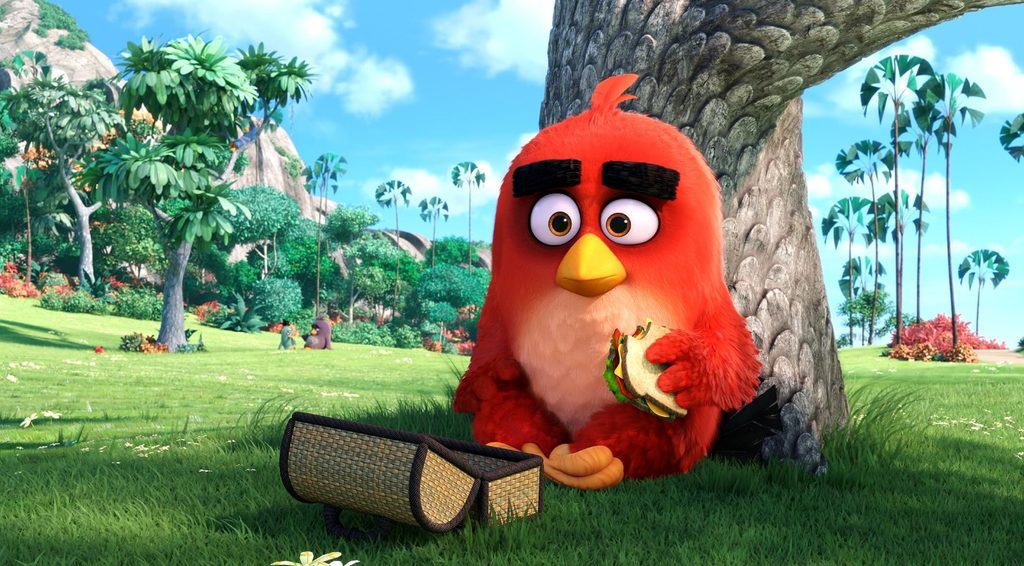
The interactions with Matilda and Mighty Eagle add another flavour to the compilation. Matilda’s calmer approach makes the contrast especially clear, while Mighty Eagle’s larger-than-life reputation gives the younger birds plenty to react to. The comedy does not depend on one long storyline. It builds through short bursts of personality, physical gags, and the way each character responds to the others.
That is what makes a compilation of the funniest moments from both films work. You get the ridiculous speed, the facial expressions, the sudden bursts of movement, and the friendship dynamics without having to wait for one big punchline. The humour is quick and easy to follow, even when the screen is full of birds and pigs doing completely unnecessary things.
Across both films, Chuck is at his funniest when everyone else is trying to stay serious. He has no interest in slowing down just because the situation calls for it. And honestly, the flock would be a much quieter place without him.
Also Read: Miles Logan Turns a Robbery Around