
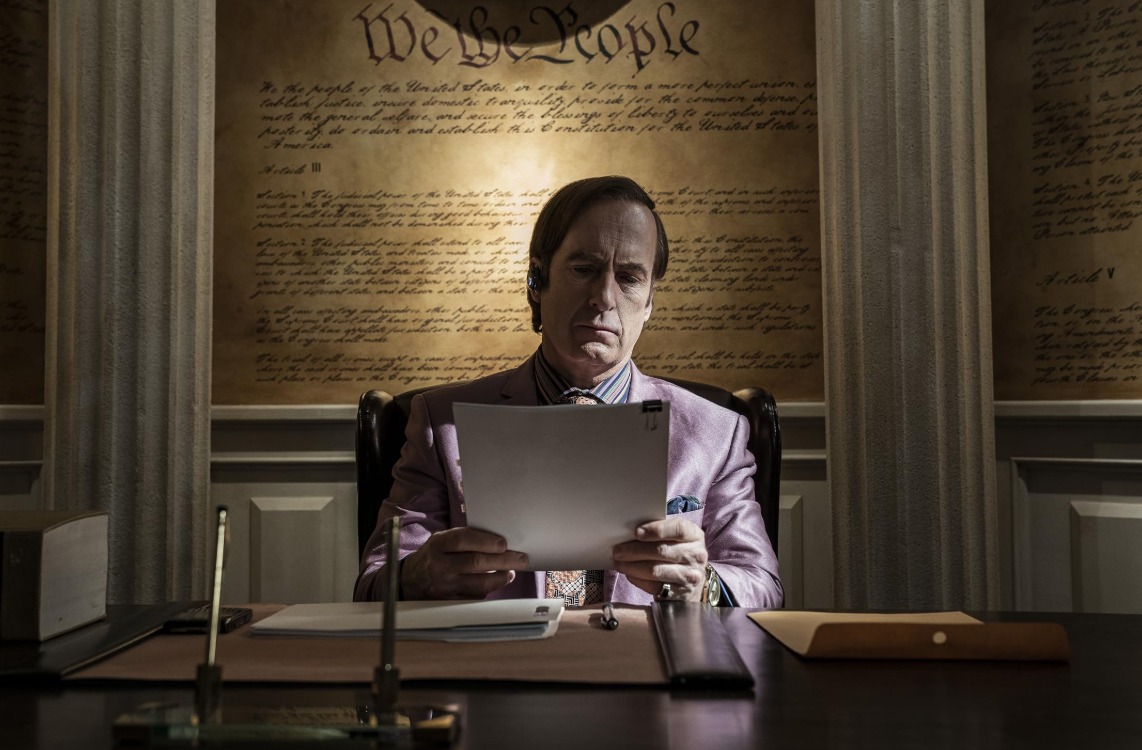
Jimmy thinks he is helping his brother through a difficult moment. He has no idea that every word is being collected as evidence. In Better Call Saul, Chuck McGill turns a family conversation into a carefully prepared trap, using guilt and sympathy to get Jimmy to admit what he did to the Mesa Verde documents. The confession feels private. The recording makes sure it will not stay that way.
The scene takes place in Season 2, Episode 10, “Klick.” Chuck McGill has discovered that Jimmy altered the Mesa Verde paperwork, changing the documents to make it appear that the bank’s address was different. Jimmy also persuaded the copy-shop employee to help him. The fraud was meant to protect Kim’s work with the client, but it crossed a serious legal line. Chuck now has a chance to prove that his brother did it.
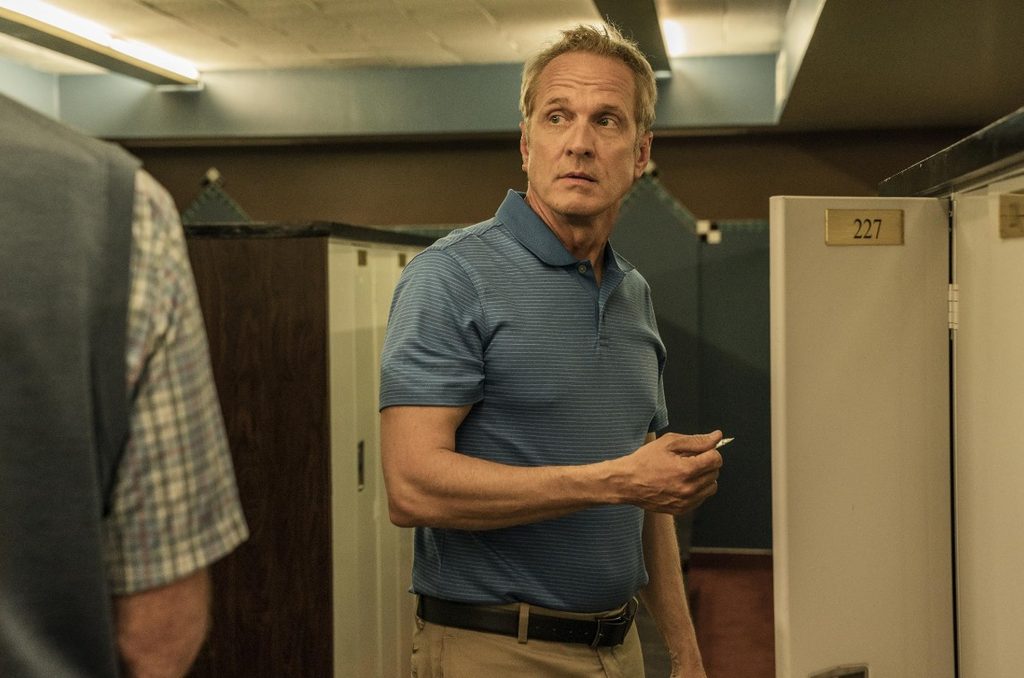
Instead of confronting Jimmy with the evidence immediately, Chuck plays a much more personal game. He lets Jimmy believe that his condition and the consequences of the conflict have pushed him to give up the law. The suggestion that he may retire makes the conversation feel like a moment of reconciliation. Jimmy feels responsible for his brother’s distress, and that guilt lowers his guard. He wants Chuck to feel better, not to suspect that he is walking into a setup.
Michael McKean gives Chuck a controlled sadness that makes the act convincing. He does not appear to be celebrating a victory. He seems tired, disappointed, and ready to step away from the profession that has defined his life. That is precisely why the trap works. Jimmy sees an older brother who has been hurt, not an opponent waiting to record a confession.
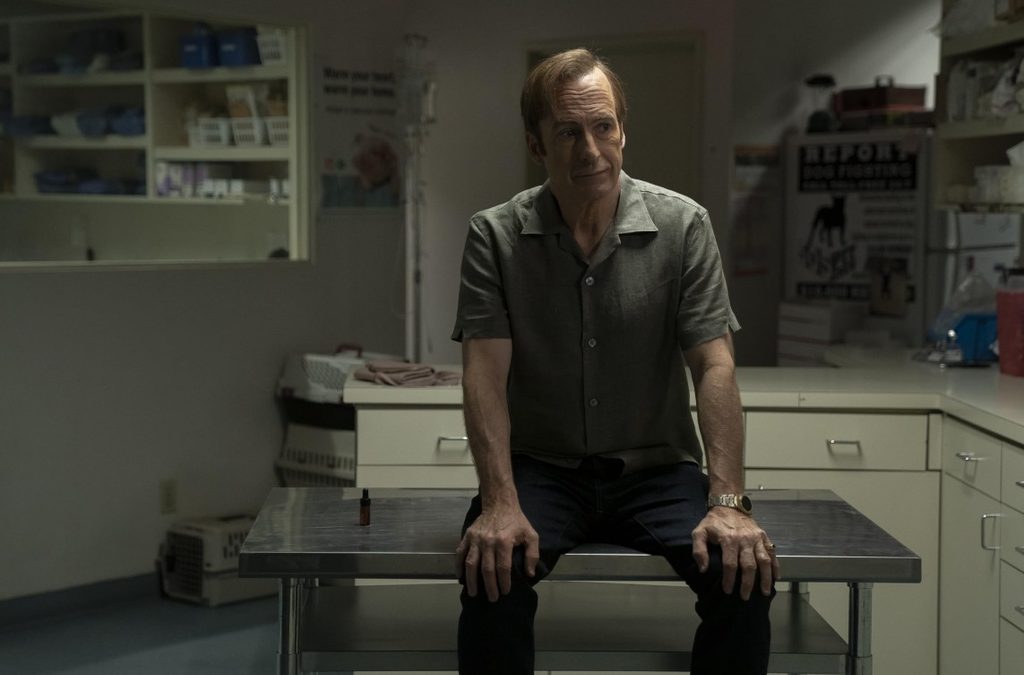
Bob Odenkirk plays the other side of the scene with growing openness. Jimmy starts explaining himself because he believes he is easing Chuck’s pain. He admits that he changed the documents and reveals how he arranged the copy-shop help. The details come out in a conversation that sounds personal, but each admission gives Chuck exactly what he needs. Jimmy is not being questioned by a police officer. He is talking to the one person whose approval he has spent years trying to earn.
The reveal changes the meaning of everything that came before it. Chuck has secretly recorded the conversation. His apparent vulnerability was part of the plan, and the confession is now evidence that can be used against Jimmy. It is a cruel twist because the emotional connection between the brothers is what makes the deception possible.
The scene also shows how differently the two men understand the law. Jimmy treats rules as obstacles he can bend when he believes the outcome justifies it. Chuck sees the fraud as proof that Jimmy cannot be trusted with a legal career. Neither brother is approaching the conversation with a clean slate, and both know where the other’s weaknesses are.
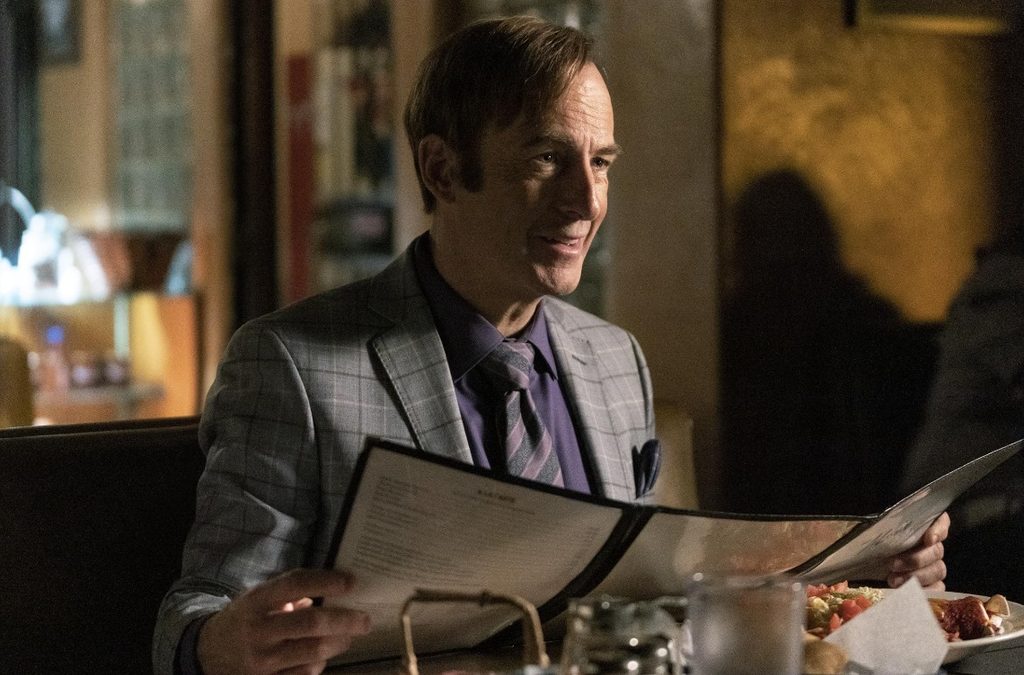
“Klick” ends their confrontation with a recording that threatens far more than Jimmy’s reputation. It gives Chuck leverage, but it also deepens the fracture between them. Jimmy wanted to comfort his brother. Instead, he handed him the evidence he had been waiting for.