
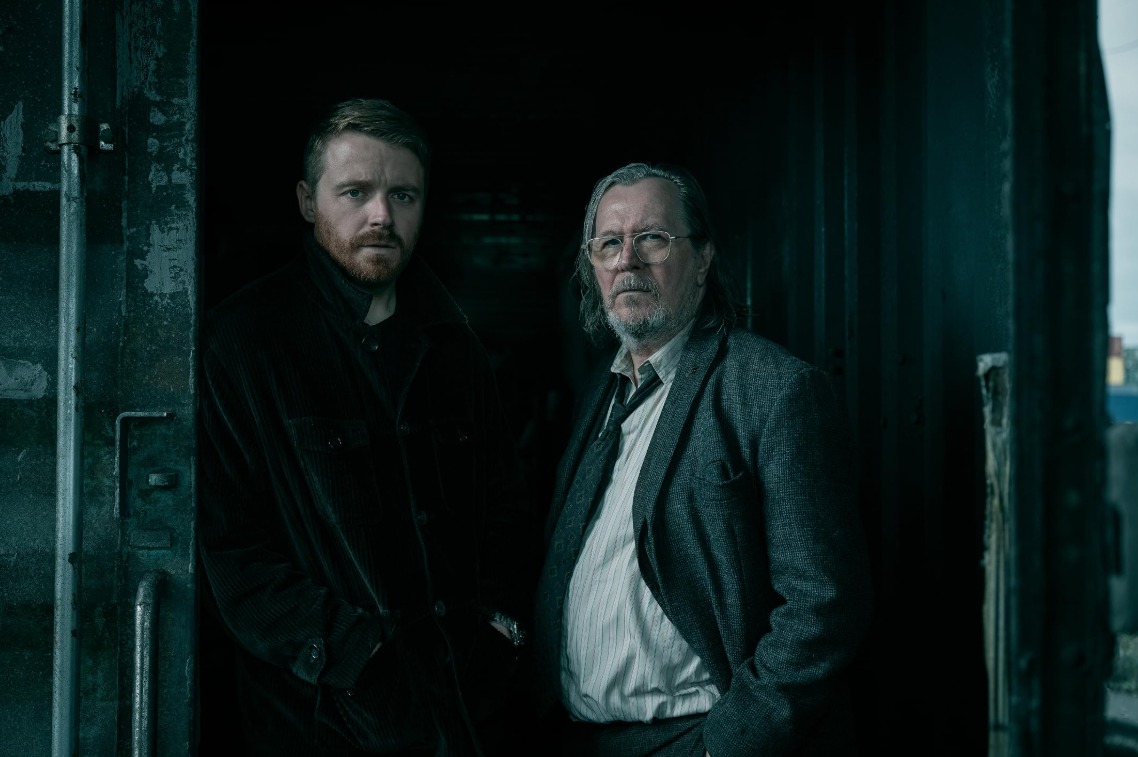
A Russian intelligence officer and a former British spymaster are standing opposite each other with guns pointed their way. Nobody is pretending this is a friendly reunion. After years of secrets, betrayals and unfinished business, Jackson Lamb finally gets to confront Nikolai Katinsky. The conversation is full of old names and old wounds, but the biggest question is simple: what really happened to Charles Partner?
The scene comes from Slow Horses Season 2, Episode 6, “Old Scores.” Lamb and Katinsky meet during the final stretch of the investigation into the Russian sleeper agents known as the cicadas. The operation has already exposed a network built to remain hidden for years. Now the people connected to its history are facing one another, and the past is no longer staying buried.
Gary Oldman gives the exchange the dry, abrasive energy that makes his character so watchable. He does not approach the meeting like a polished intelligence chief delivering a formal briefing. He is sarcastic, impatient, and seemingly unimpressed by the danger in front of him. But every remark has a purpose. Jackson Lamb is not there to trade insults for entertainment. He wants Katinsky to understand that the story he has told himself about the past is not the whole story.
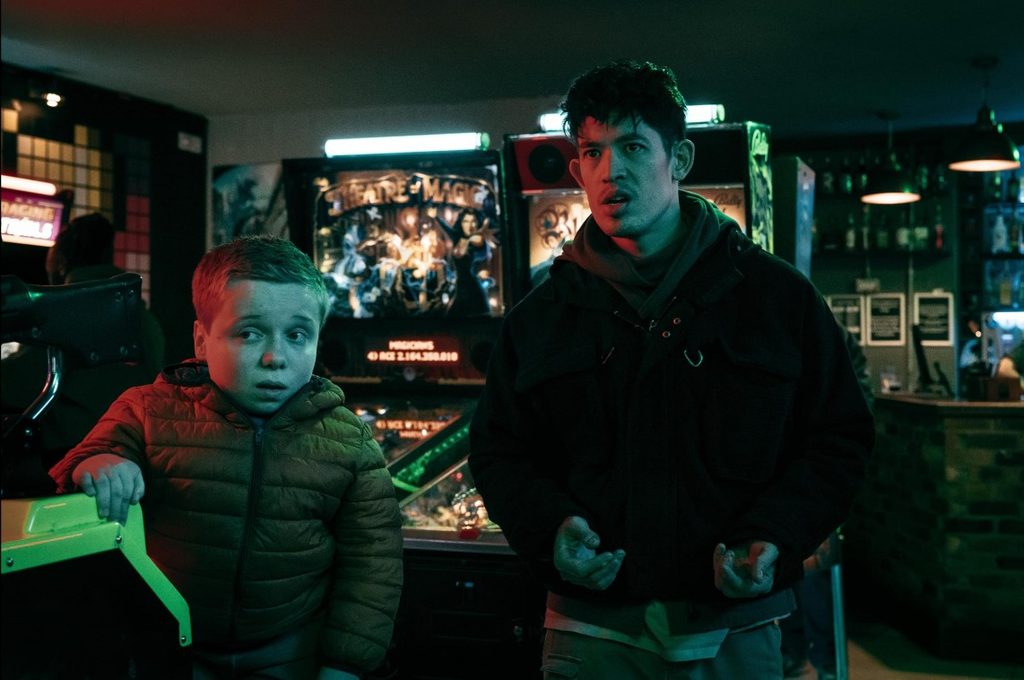
Rade Šerbedžija makes Katinsky a worthy opponent. He carries the composure of someone who has spent years hiding behind layers of intelligence work and carefully managed identities. The two men know that the conversation could turn violent at any moment. Their weapons make that clear, but the real tension comes from what each man knows about the other. Neither can afford to reveal too much, and neither wants to leave the meeting without answers.
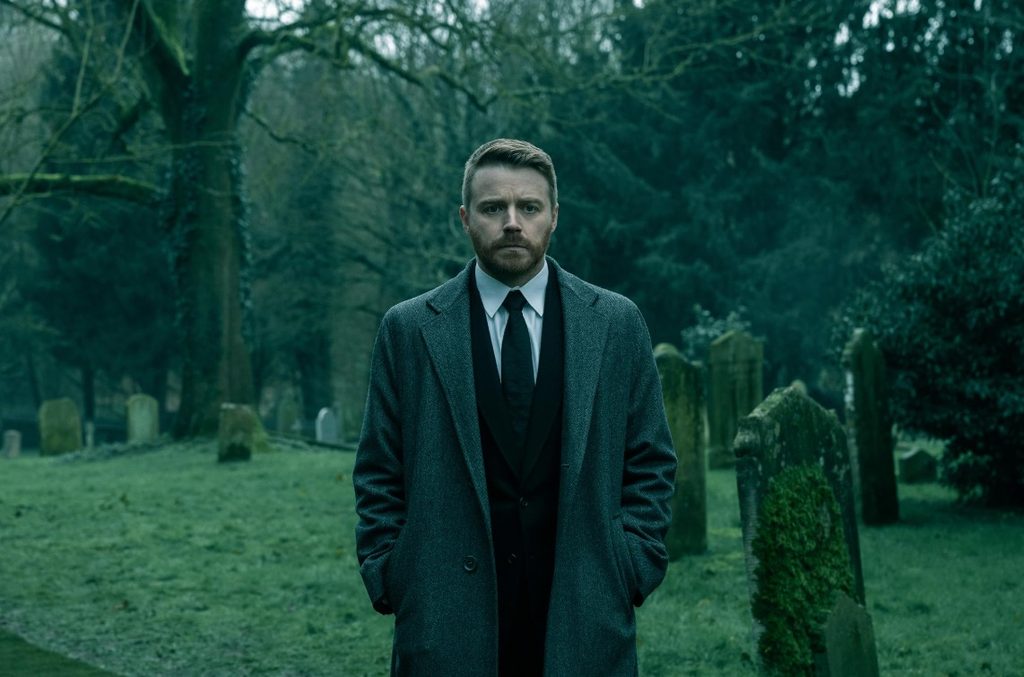
The discussion moves through the death of Charles Partner, the history of Dickie Bough, and the betrayal connected to the Stasi. These are not random details thrown into a spy story to make it sound complicated. They explain how old decisions created the present crisis. Lamb’s account forces Katinsky to confront the damage caused by the hidden operation and the people who were caught inside it.
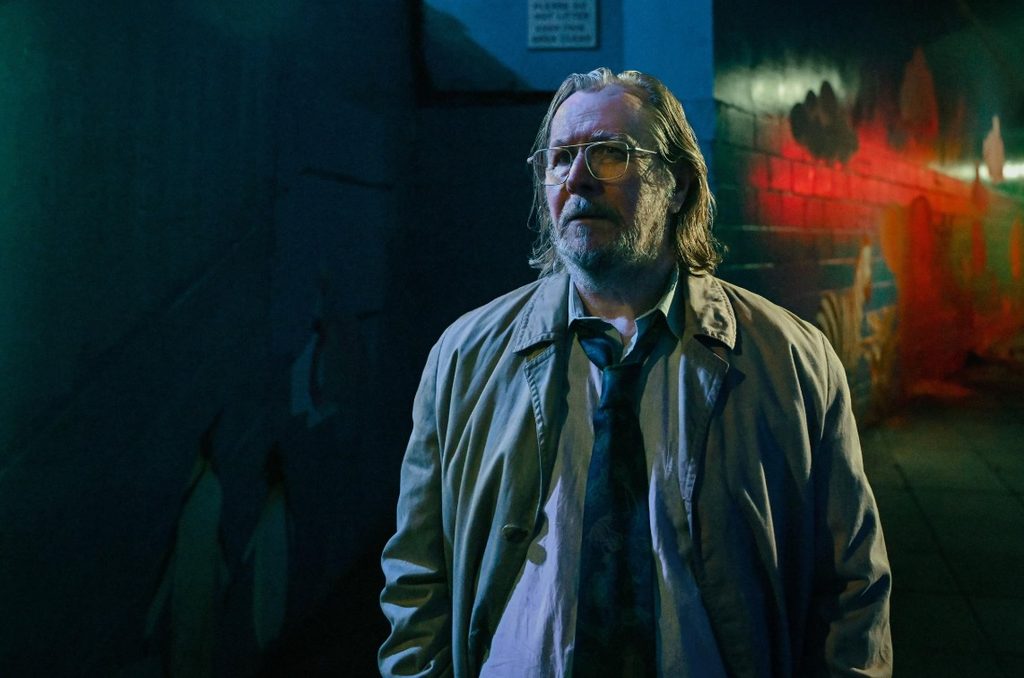
There is also a revealing moment in the way Lamb explains his own decision about Partner. He is not presenting himself as a spotless hero. He knows the intelligence world is full of compromises, and he has made choices that still carry consequences. What matters is that he refuses to let Katinsky control the version of events that survives.
That honesty is part of what makes the scene work. Oldman plays the character as a man who can be rude and exhausting, but who understands the human cost of intelligence games better than most people in the room. His sarcasm never completely hides the anger underneath.
Slow Horses builds much of its appeal from people who have spent years making mistakes and then trying to live with them. This confrontation brings that history into one room. The guns create the immediate danger, but the revelations about Partner and the cicadas give the scene its real weight. By the end, the two old enemies have finally said what needed to be said, even if it has come years too late.