
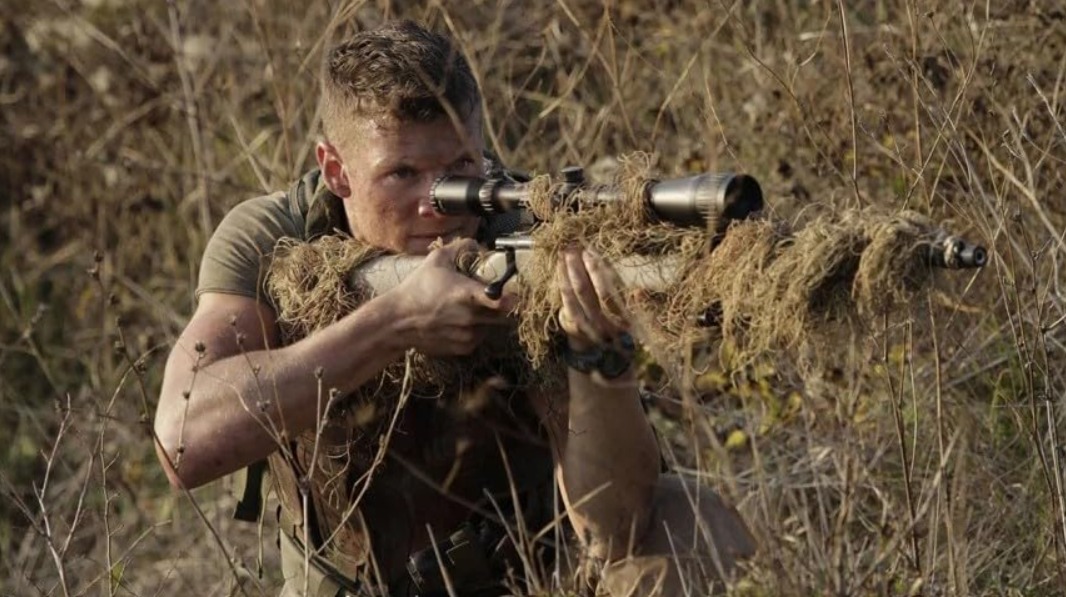
A sniper team chooses its position, identifies a target, and prepares to complete the mission. Then the enemy strikes first. The opening stretch of Sniper: Legacy takes a military operation and turns it into a fight for survival, forcing Brandon Beckett and his team to respond before they can properly understand what has gone wrong. So much for a quiet day at work.
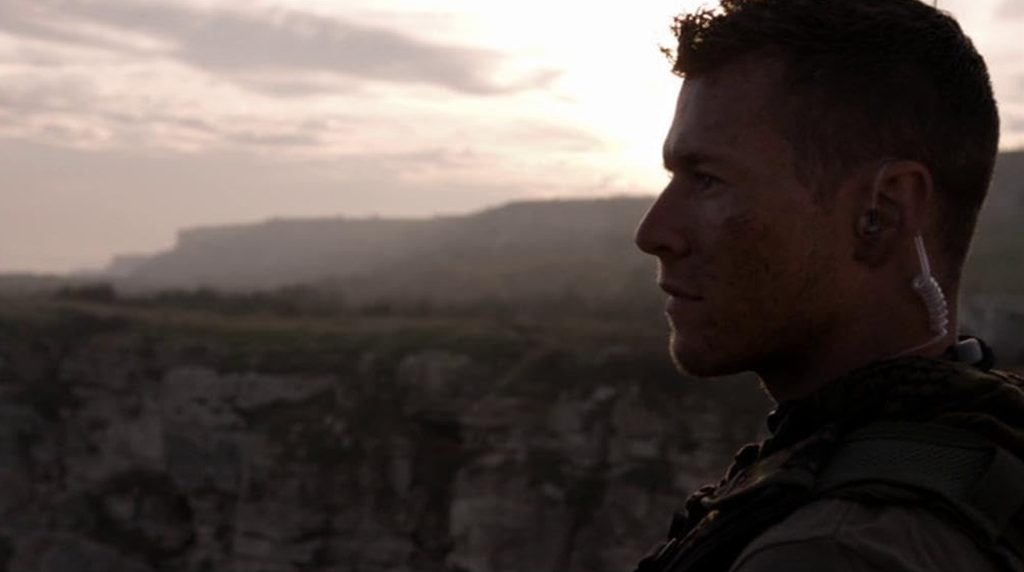
Released in 2014, Sniper: Legacy stars Chad Michael Collins as Brandon Beckett. The film continues the action franchise built around elite marksmen, military missions, and the risks that come with working far from safety. This time, the team enters an operation with a clear objective, only for enemy forces to disrupt the plan with a sudden attack.
The appeal of a sniper story often comes from the waiting. A character studies the landscape, checks the distance, watches for movement, and holds position until the right moment arrives. Sniper: Legacy uses that familiar tension before pulling the rug out from under the team. The planned operation quickly becomes a firefight, and the soldiers have to switch from careful observation to immediate survival.
That change in pace is what gives the opening its punch. A mission can look controlled when everyone has a position and a target. But the moment the enemy knows where you are, the entire situation changes. Cover becomes important. Communication becomes urgent. Every movement carries a risk. The team is no longer deciding when to act. It is trying to stay alive long enough to act at all.
Brandon Beckett sits at the centre of that pressure. He is trained to stay focused, but training does not make a surprise attack harmless. The danger comes from the gap between what the team expected and what is happening around them. They have to assess the threat quickly, work together, and make decisions without the luxury of a full plan.
The film draws much of its energy from military details and the contrast between precision and chaos. A sniper relies on patience and discipline, while an ambush is designed to destroy both. The opening sequence puts those ideas against each other. A carefully chosen firing position cannot guarantee safety, and even an experienced team can be caught off guard.
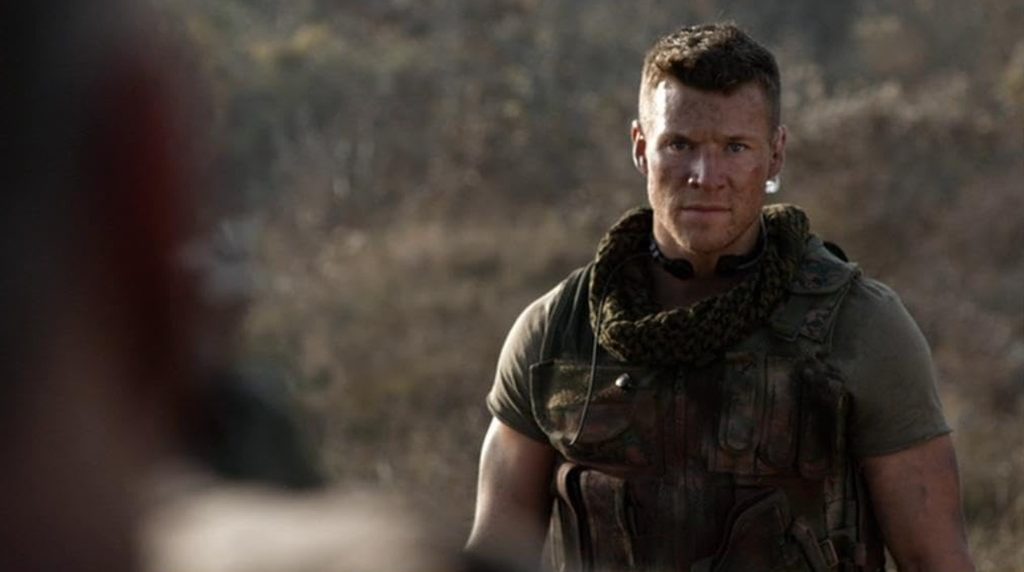
Collins gives Brandon a direct, no-nonsense presence that suits the franchise. He does not need to turn every moment into a speech. The character’s job is to read the situation and keep moving, and that practical approach fits a story built around battlefield danger. The supporting team also matters because an operation is never only about one person. Each soldier has a role, and a sudden attack tests how well those roles hold together.
Sniper: Legacy does not take long to establish its central problem. The team goes in expecting a mission. The enemy has other plans. The result is an opening that sets up the danger without needing a long explanation of what could go wrong.
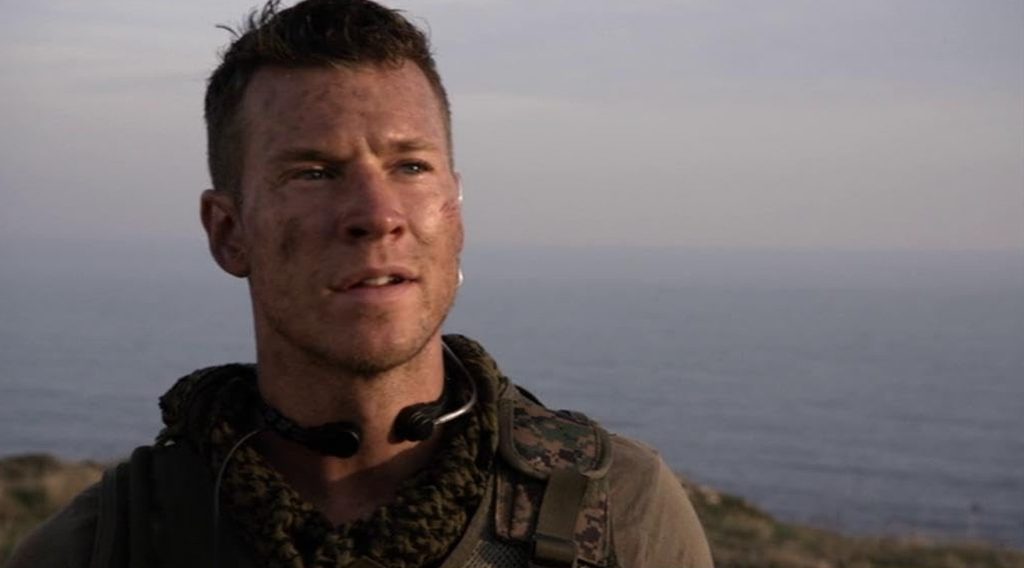
The first ten minutes are a useful introduction to the film’s style: tactical preparation, sudden violence, and a team forced to think under pressure. The ambush is the moment that changes everything. Brandon Beckett and his team came ready to hunt a target. Now they have to make sure they do not become one.
Also Read: Kraven Hunts Down Dmitri