
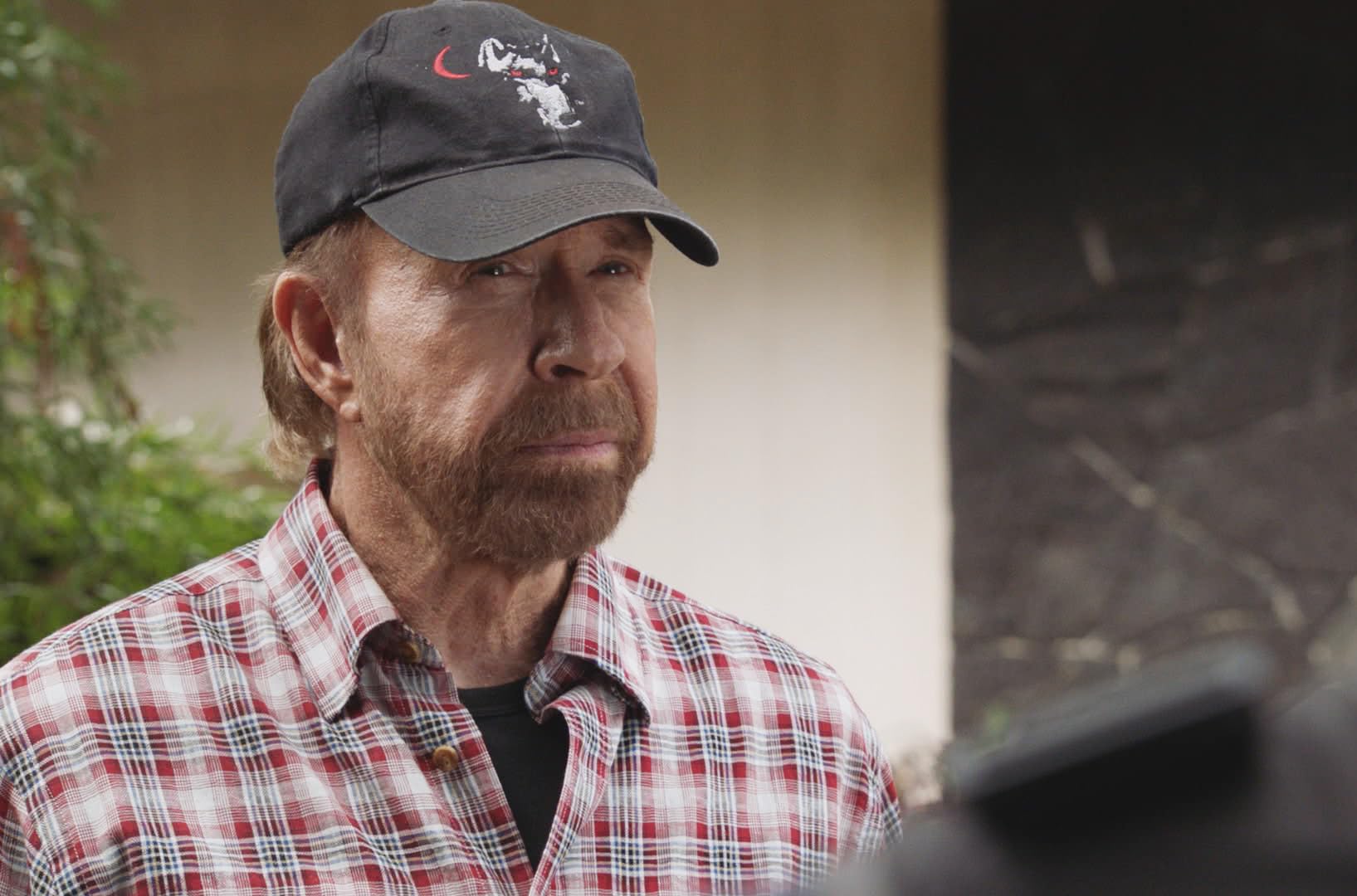
Chuck Norris has died at 86, and the internet doesn’t quite know how to process the loss of its favorite meme and most unlikely action hero. The man who taught Bruce Lee how to kick, who kept Texas safe for nine seasons on CBS, and who became a symbol of invincibility through sheer force of internet irony passed away Thursday morning surrounded by his family, leaving behind a legacy that spans martial arts, Hollywood, and the very grammar of online humor.
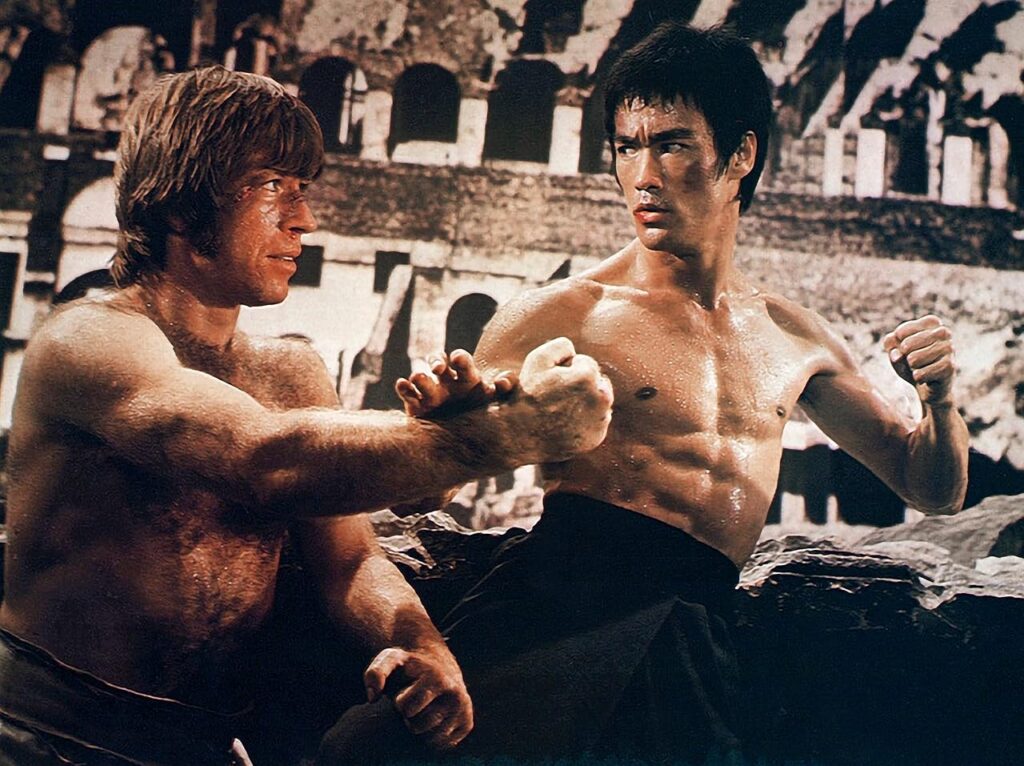
His family confirmed the news with a statement that managed to be both heartbreaking and perfectly on-brand: “To the world, he was a martial artist, actor, and a symbol of strength. To us, he was a devoted husband, a loving father and grandfather, an incredible brother, and the heart of our family.” They kept the cause of death private, because of course they did—Chuck Norris wouldn’t want the world knowing what finally managed to take him down. The man survived multiple black belts, decades of stunt work, and the 1980s action movie industry. Whatever got him probably deserves its own medal.
Born Carlos Ray Norris in Ryan, Oklahoma, he didn’t start life as the square-jawed icon we remember. He described his childhood self as shy and unathletic, the son of a World War II veteran father who struggled with alcoholism. The transformation from awkward kid to martial arts legend began when he joined the Air Force and discovered Tang Soo Do while stationed in Korea. He would go on to earn black belts in Brazilian Jiu-Jitsu, Tang Soo Do, and Taekwondo, eventually becoming the first Westerner to be awarded an 8th-degree black belt in Taekwondo.
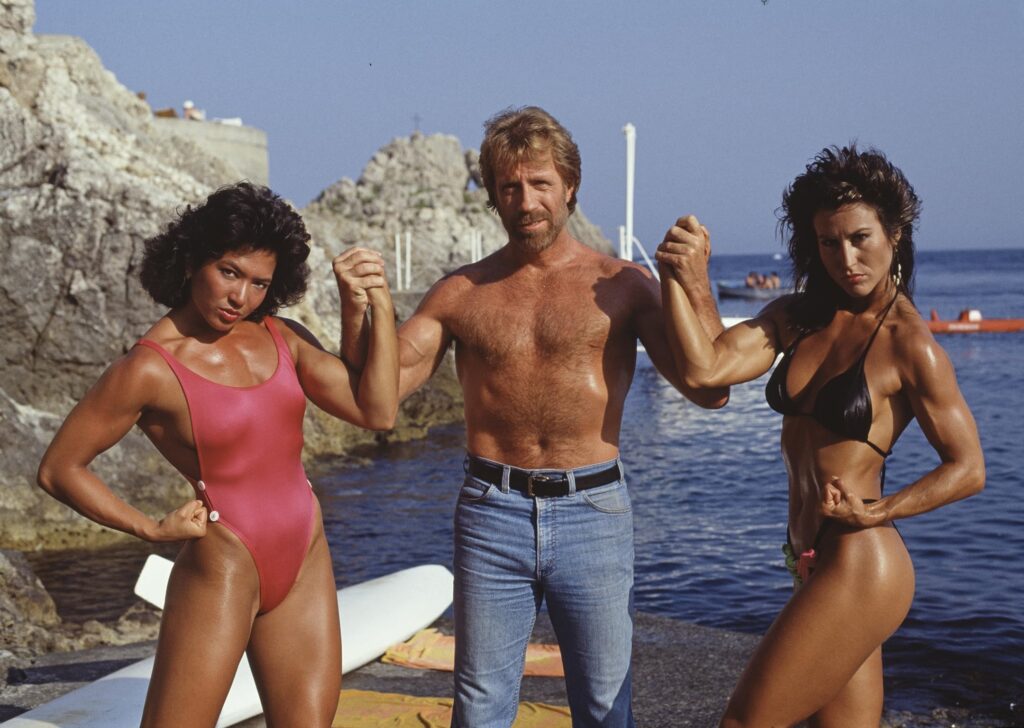
Before he was an actor, he was a teacher—literally. He trained celebrities in martial arts, including Steve McQueen, who encouraged him to try acting. His film career began with the 1972 Bruce Lee classic The Way of the Dragon, where he played the villain in what remains one of the most iconic fight scenes in cinema history. The showdown in the Colosseum didn’t just establish Norris as a screen presence; it set the template for the stoic, hyper-capable martial artist he would play for the next four decades.
The 1980s were Norris’s decade. Lone Wolf McQuade, Missing in Action, Code of Silence, The Delta Force—titles that scream “VHS rental” and “dad’s favorite movie.” These were films where the plots were thin, the explosions were thick, and Norris never lost a fight. He became the personification of Reagan-era action cinema: patriotic, uncomplicated, and physically imposing.
While Schwarzenegger had the muscles and Stallone had the method acting, Norris had the martial arts credibility. When he threw a kick, you believed it could actually break a rib.
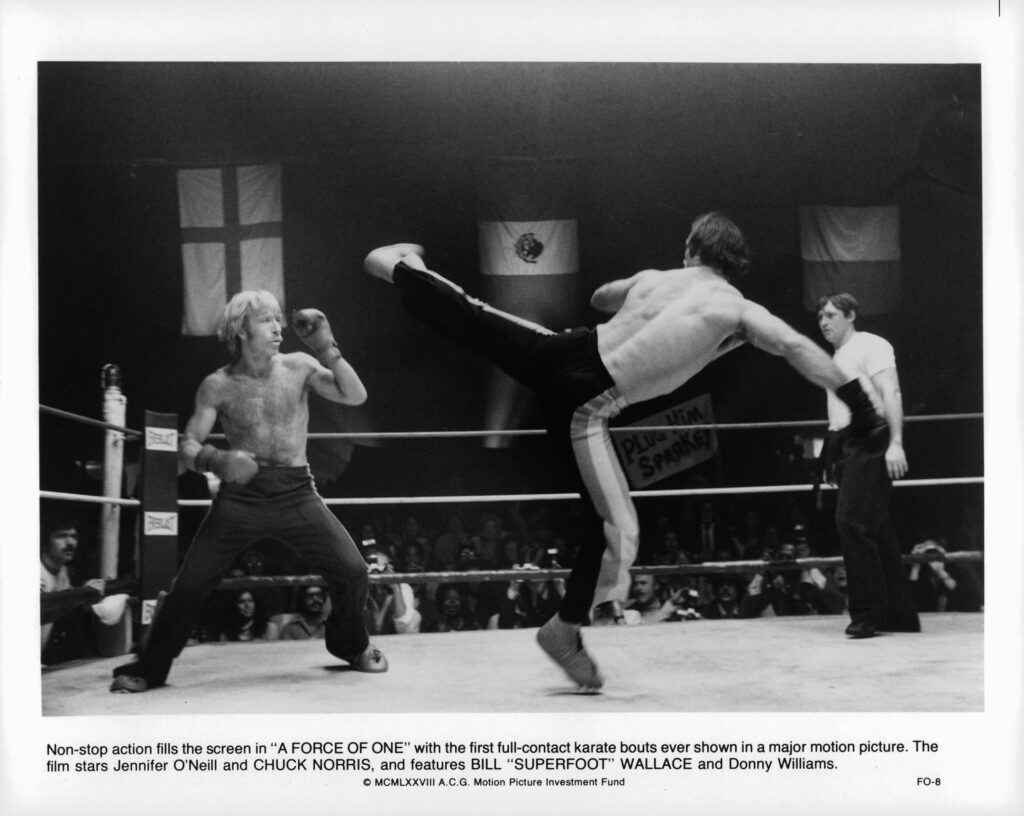
But it was television that cemented his immortality. Walker, Texas Ranger ran for nine seasons from 1993 to 2001, featuring Norris as Sergeant Cordell Walker, a former Marine who dispensed justice with roundhouse kicks and a moral code that was rigidly old-school even by Texas standards. The show was formulaic, yes, but it was also weirdly comforting—a guarantee that every episode would end with Norris defeating the bad guys while wearing jeans and a cowboy hat.
It remains a staple of syndicated television, ensuring that multiple generations have grown up knowing that when Chuck Norris enters a room, the furniture arranges itself out of fear.
Then came the internet, and Norris achieved a second career as a meme. “Chuck Norris Facts” proliferated across early social media—ridiculous claims about his superhuman abilities that ranged from “Chuck Norris doesn’t sleep, he waits” to “Chuck Norris counted to infinity. Twice.” The man himself seemed bemused by the phenomenon, neither embracing it fully nor dismissing it. He understood that the jokes were a form of affection, a recognition that his on-screen persona had become something larger than life.
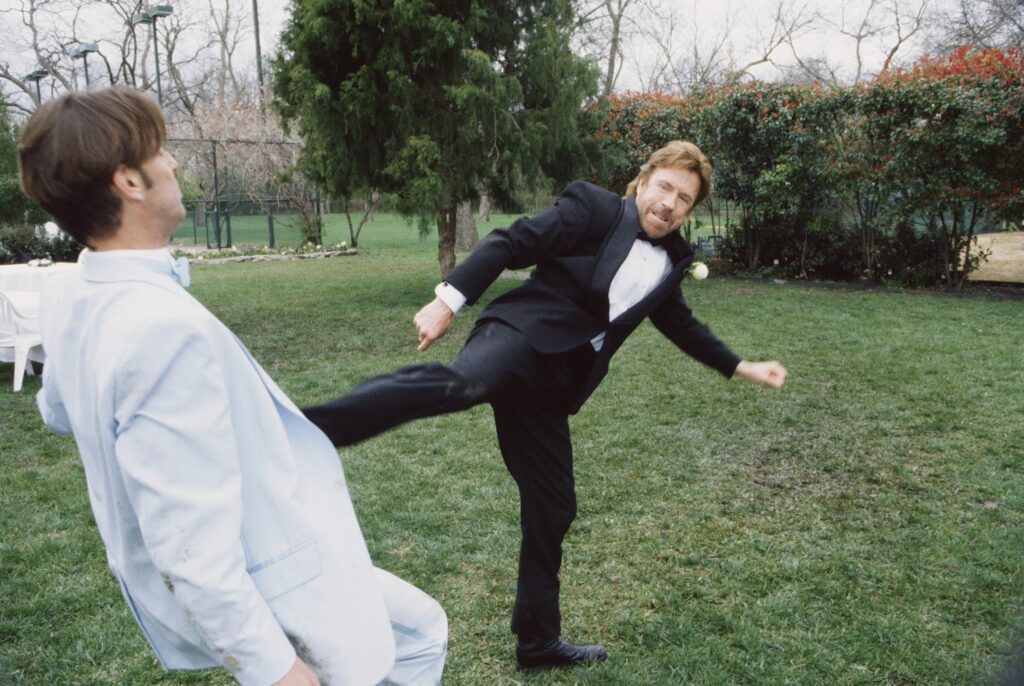
What gets lost in the memeification is that Norris was actually good at his job. He had screen presence, comic timing, and the physical ability to sell action sequences without excessive cutting or stunt doubles. He made dozens of films and hundreds of television episodes, working steadily from the 1970s through the 2000s. He was a reliable star in an unreliable industry, the kind of actor who showed up on time, hit his marks, and delivered exactly what the audience wanted.
In recent years, he had become more politically active, endorsing conservative candidates and appearing in advertisements for various causes. He became as famous for his political opinions as his roundhouse kicks, though never quite as beloved. The internet that made him a meme was less kind to his politics, but Norris never seemed to care. He had built his career on knowing exactly who he was and what he stood for, and he wasn’t about to change for Twitter.
At 86, he leaves behind a body of work that defines a specific era of American action cinema—the practical effects era, before CGI made every actor capable of superhuman feats. When Norris jumped through a window or punched through a wall, he was actually doing it, or at least something close to it. That physical reality gave his films a weight that modern action movies often lack.
The roundhouse kicks are silent now, but the legend remains. Chuck Norris doesn’t die; he just stops waiting.
Remember the legend—stream Walker, Texas Ranger and the Missing in Action trilogy to experience the pure, uncut Chuck Norris that defined 80s and 90s action cinema.
Also Read: The Internet Has Thoughts on ‘Hoppers’ and They’re Surprisingly Positive