
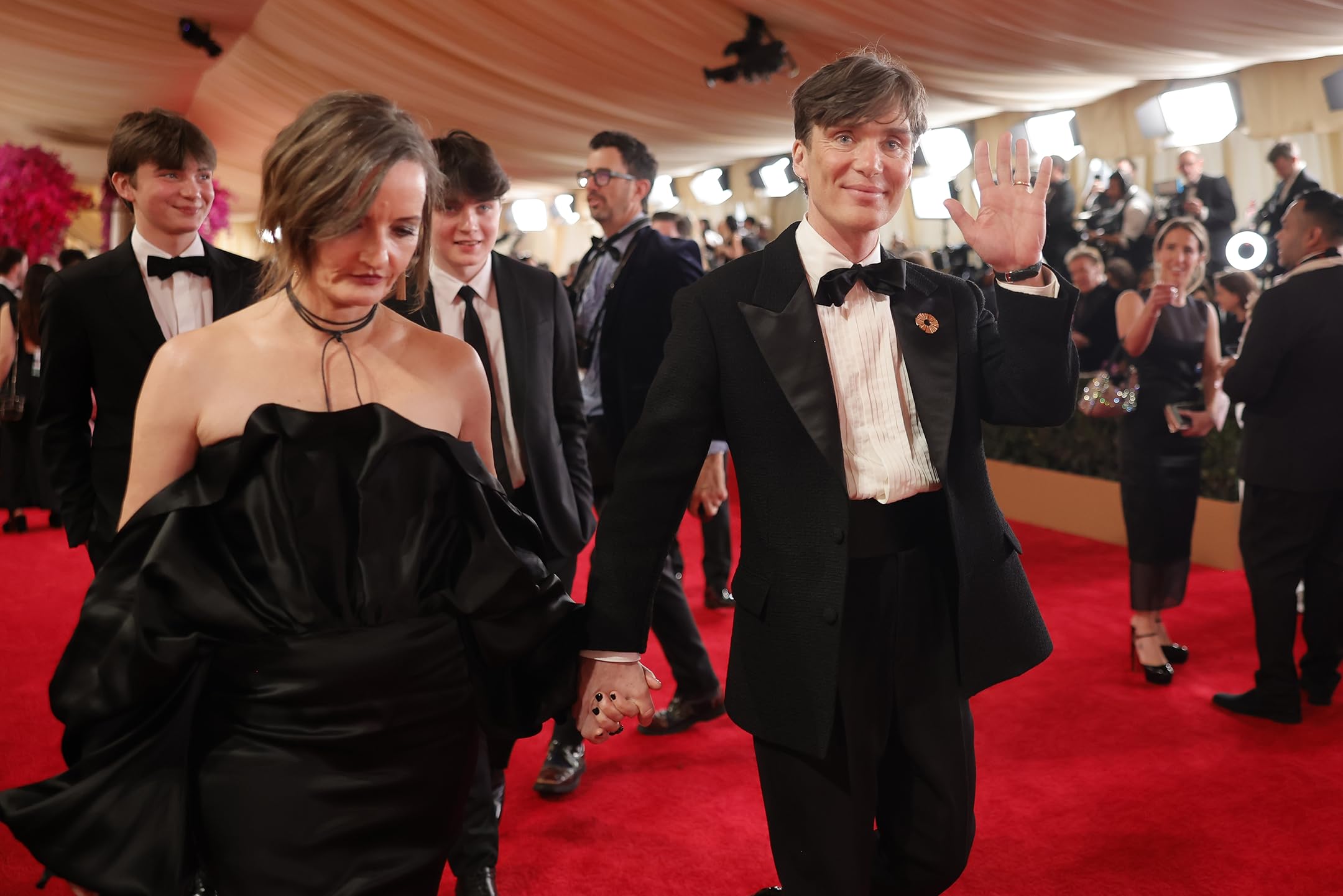
Thirteen years after Peaky Blinders first premiered on BBC Two, the saga of Tommy Shelby has reached its cinematic conclusion with Peaky Blinders: The Immortal Man—and the creative team behind it is finally sharing the secrets of how they brought Birmingham’s most notorious gangster to the big screen. Director Tom Harper, writer Steven Knight, and stars Cillian Murphy and Tim Roth have been making the rounds, revealing the challenges of scaling up the beloved series for theaters while maintaining the intimate character work that made it a phenomenon.
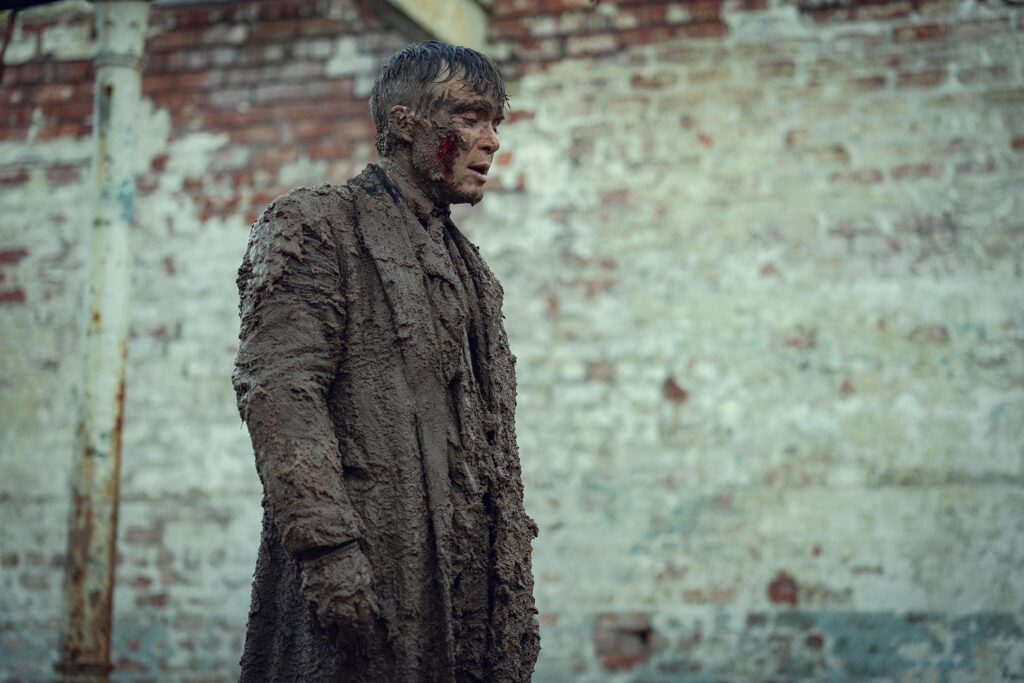
The film picks up in 1940, six years after the series finale, with Tommy Shelby living in seclusion, tormented by guilt over past sins, while his estranged son Duke (Barry Keoghan) runs the Peaky Blinders with reckless abandon. When Nazi agent John Beckett (Tim Roth) recruits Duke to help flood Britain with counterfeit currency—based on the real Operation Bernhard—Tommy must emerge from his self-imposed exile to save his son and, incidentally, help win World War II.
Knight, who created the series and wrote the film, revealed that he and Murphy always envisioned this as Tommy’s final chapter. “We agreed that it should end with him saying farewell,” Knight explained. “One of the main reasons we wanted to make a film that would be in theaters was the fans’ energy for the series”. The theatrical release allowed audiences to experience Tommy’s death communally, to “share that emotion in person and say goodbye to the character that they have obviously really responded to”.
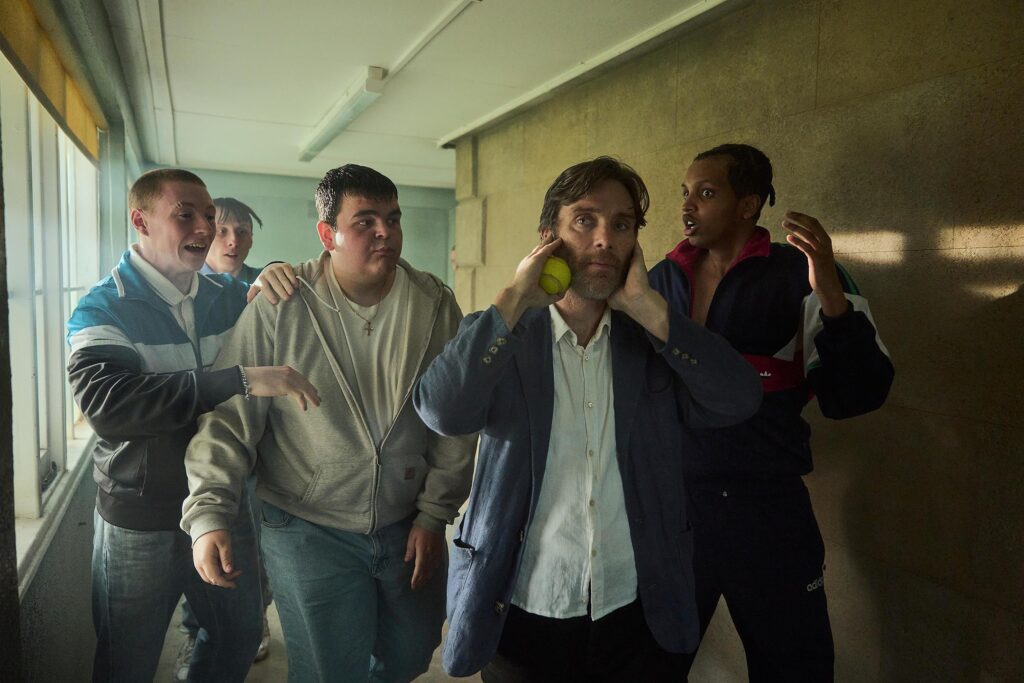
Tim Roth’s casting as the antagonist was a deliberate choice to create parallels with Tommy. Both men were “knocked off course by the First World War” and took different paths—one toward reluctant heroism, the other toward fascism. Roth approached Knight with a crucial character adjustment: instead of playing Beckett as a posh Nazi sympathizer, he suggested making him infantry, “more similar to Tommy,” which created the father-figure dynamic that tempts Duke away from his biological father.
Murphy’s influence extended beyond his performance. He was instrumental in casting Keoghan as Duke, texting the Saltburn star on Father’s Day with an offer he couldn’t refuse. The two Irish actors had previously worked together on Dunkirk, and their chemistry in The Immortal Man creates the film’s central tension—Duke’s resentment of his absent father clashing with his need for paternal approval.
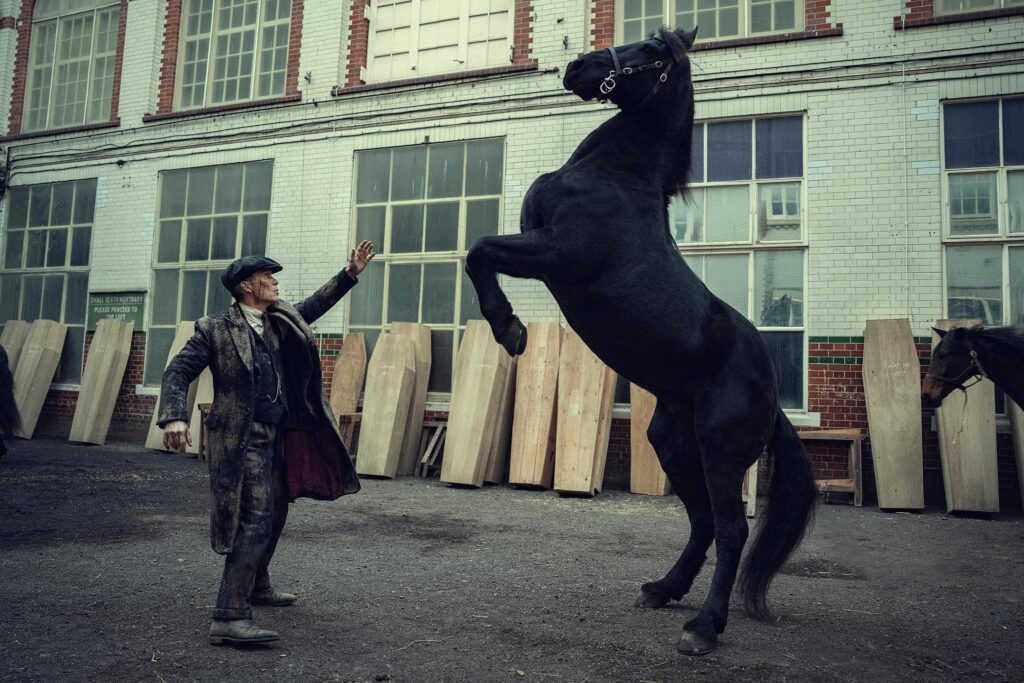
Harper, who directed three episodes of the series before taking on the film, found the expanded canvas liberating. “In an obvious way, you can blow things up, whereas before, you would have to have it off-screen, or characters talking about it,” he noted. Shooting on film rather than digital allowed for more choreographed fight sequences and a visual texture that distinguishes the movie from its television origins.
Knight also revealed a scrapped twist involving Tom Hardy’s Alfie Solomons. Because Alfie only ever appeared in scenes with Tommy throughout seasons five and six—never with other characters—Knight considered revealing that Alfie had been dead all along, and Tommy was merely hallucinating their conversations.
“I nearly did that, and I didn’t do it, but that was a thought,” Knight admitted. Hardy had previously lobbied to keep Alfie alive after his apparent death in season four, texting Knight “Alfie’s not dead” until the character was resurrected.
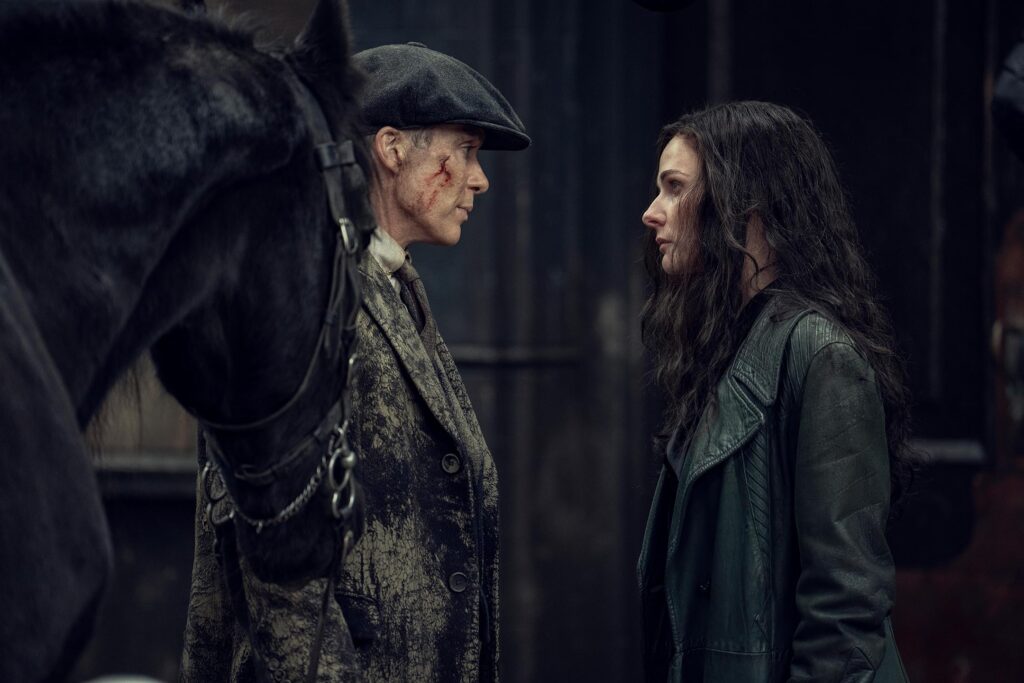
The film’s ending—Tommy dying on a bed of money that will burn with him—provides closure while reinforcing the series’ themes about the emptiness of wealth and power. As Knight noted, “All the way through the series, his goal has been to acquire money for the reason he thinks is good, which is to protect his family. But at the very, very end, it’s all going to go up in smoke, and it’s sort of worthless”.
Witness the end—stream Peaky Blinders: The Immortal Man on Netflix now and see Cillian Murphy’s final performance as Tommy Shelby.
Also Read: Andy Serkis Confirms Aragorn Recast for Hunt for Gollum Viggo Mortensen Not Returning