
Fake science in movies has reached such spectacular heights of wrongness that actual scientists now watch blockbusters with the same energy medical professionals bring to Grey’s Anatomy. Which is to say: drunk, angry, and loudly correcting everyone. The history of cinema is littered with attempts to sound smart that landed somewhere between “technobabble” and “complete rejection of physical reality.”
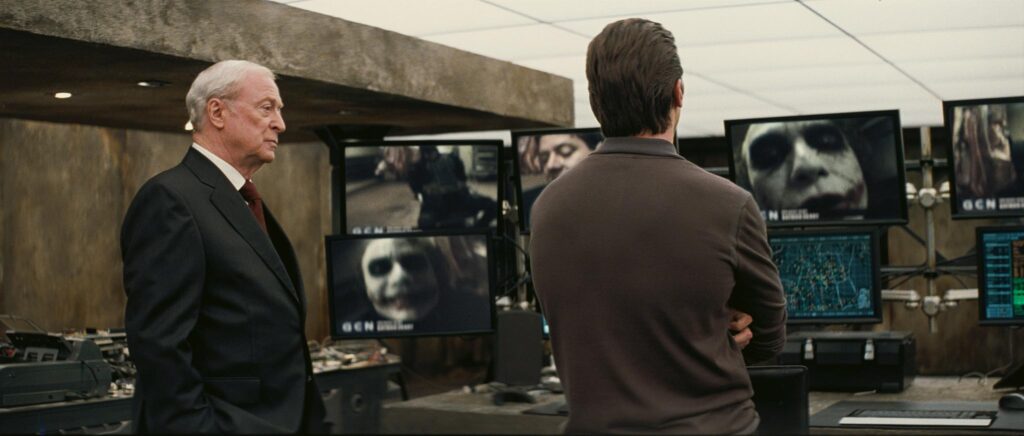
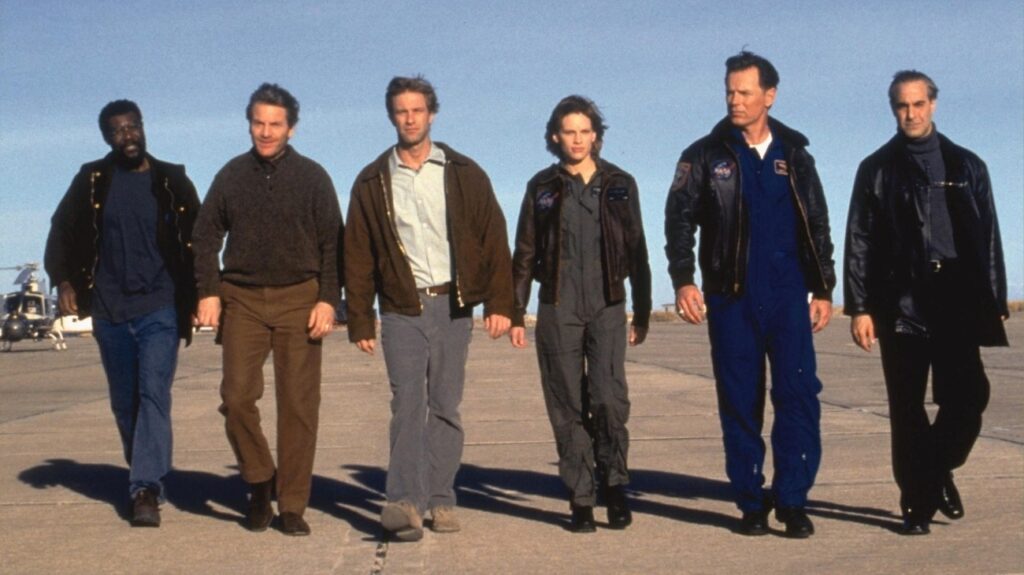
The Core remains the undisputed champion of fake science in movies. This 2003 disaster epic asked us to believe that the Earth’s core had stopped rotating, that a team could drill there in a ship made of “Unobtainium,” and that nuclear weapons could restart planetary spin like jump-starting a car. Scientists who watched this film reported actual physical pain. The movie was terrible in every conceivable way—bad writing, bad acting, bad science so aggressively wrong that it felt like a personal attack on anyone who passed ninth-grade physics.
But The Core is just the tip of the iceberg. Disaster movies as a genre have made fake science in movies their entire business model. They know audiences don’t understand plate tectonics or solar flares or whatever geological phenomenon they’re pretending to explain, so they feel free to completely ignore physical laws while making it seem like real science. Usually this involves a hip nerd type using big words while a general or politician demands they speak English, which in movie logic means “explain the impossible thing you’re about to do in simple terms so we can pretend it’s plausible.”
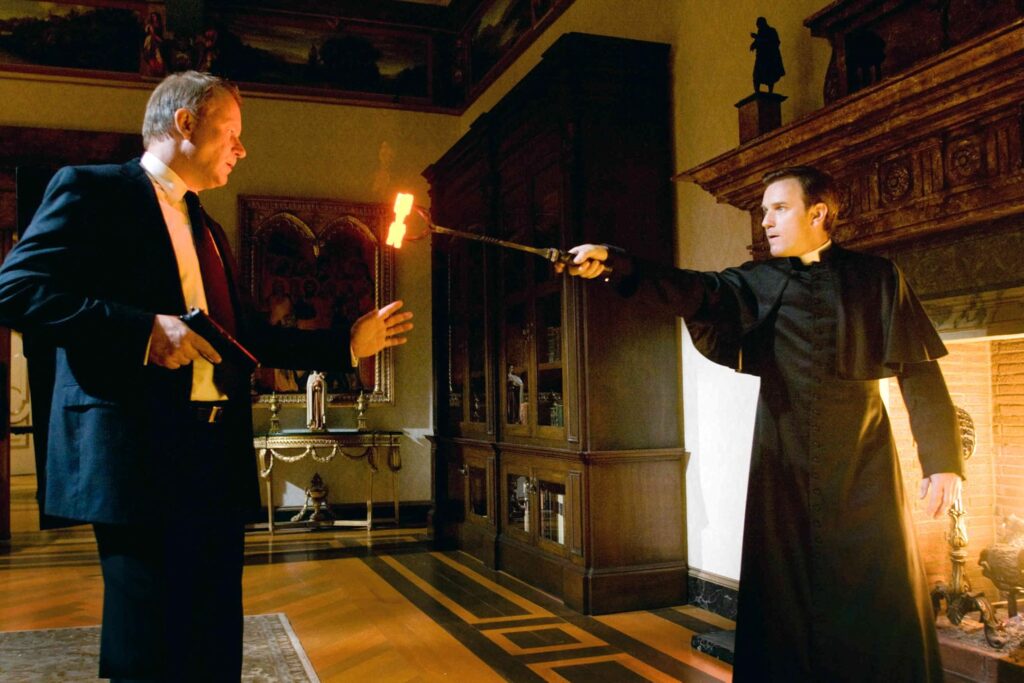
Angels and Demons attempted to make antimatter into a credible threat, which actual physicists found adorable. Antimatter is real; using it to blow up the Vatican is not. The film treated particle physics with the same respect a toddler gives to a LEGO set—enthusiastic, destructive, and completely missing the point. Dan Brown’s entire bibliography could fuel a separate article about fake science in movies, but let’s focus on the cinematic adaptations that somehow made his pseudoscience even less convincing.
What makes fake science in movies particularly galling is when filmmakers clearly believe they’re being accurate. The “we consulted with experts” claim that appears in press materials for films featuring sound in space, explosions in vacuums, or humans surviving decompression without helmets. These consultations apparently happened via email while the consultants were on vacation, because nothing on screen suggests anyone with actual knowledge was in the room.
The best fake science in movies achieves a special kind of wrongness: internally consistent within its own nonsense logic. The Fast and Furious franchise operates on physics that would make Newton weep, but it commits so fully to its absurdity that complaining feels pointless. When Vin Diesel drives a car between skyscrapers or tows a safe through Rio with a muscle car, the fake science becomes part of the charm. You don’t watch these movies for accuracy; you watch them for commitment.
But when a film pretends to be serious—when it uses real scientific terminology to dress up impossible scenarios—that’s when fake science in movies becomes genuinely offensive to intelligence. Interstellar got black holes mostly right and then ruined it with a bookshelf dimension. Gravity had accurate zero-G movement and then gave Sandra Bullock a jetpack she operated like a video game character. The mixed signals are maddening.
Perhaps the most honest approach is simply embracing the absurdity. Sharknado knew exactly what it was doing. The Meg leans into its prehistoric nonsense. These films don’t insult your intelligence because they never claimed to have any. The real villains are the movies that want credit for being smart while serving up stupidity.
Laugh at the nonsense—rewatch The Core, Armageddon, and their scientifically bankrupt cousins to appreciate how gloriously wrong Hollywood can be.
Also Read: Rivals of Amziah King Poster Is Here