
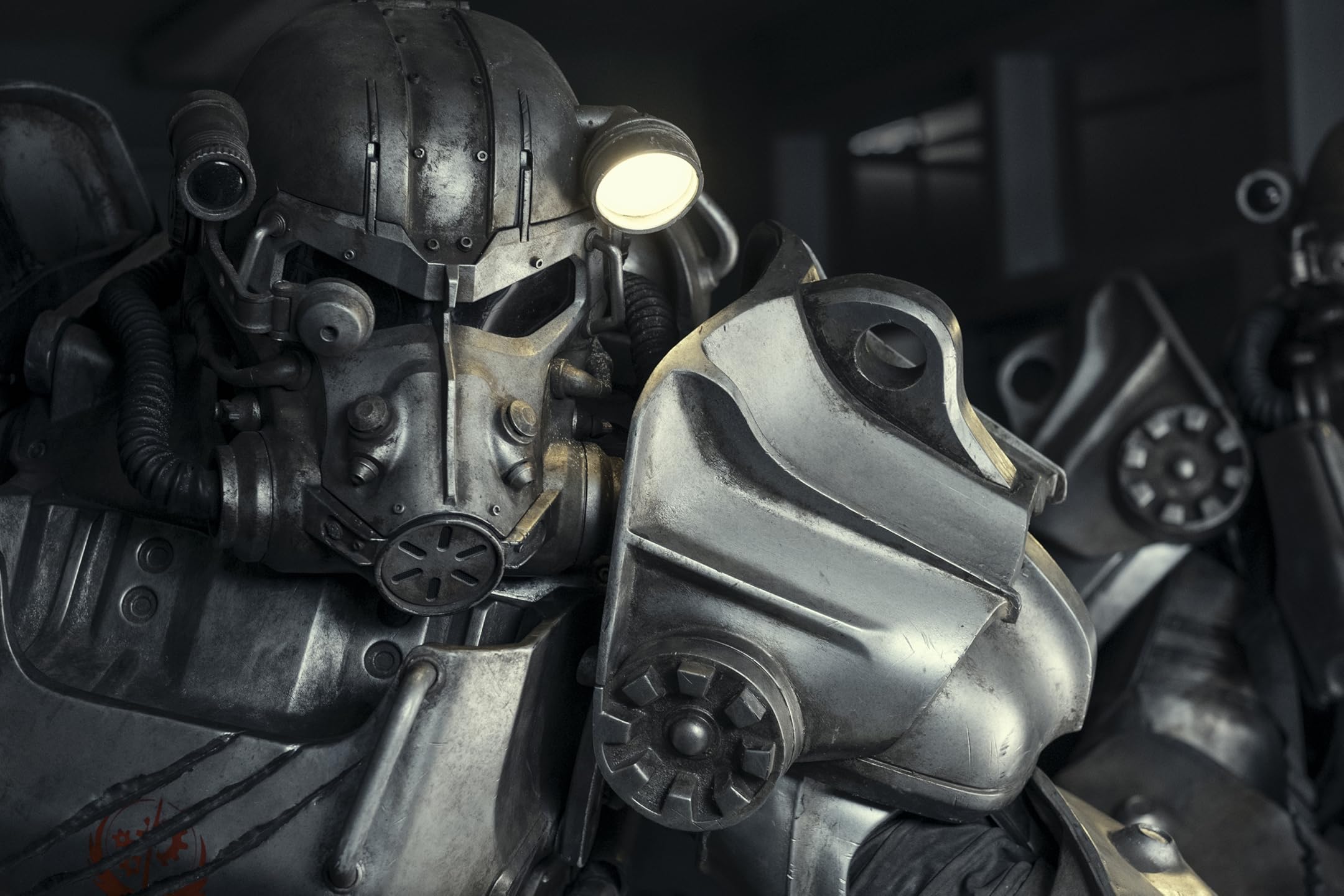
The surface is the experiment. Not the Vaults. Hank MacLean’s dying revelation in Fallout Season 2 finale rewrites everything we understood about Prime Video’s post-apocalyptic hit. The Wasteland isn’t civilization’s ruins—it’s the laboratory. And 200 years after nuclear fire, the experiment enters Phase Two.
The Finale Twist
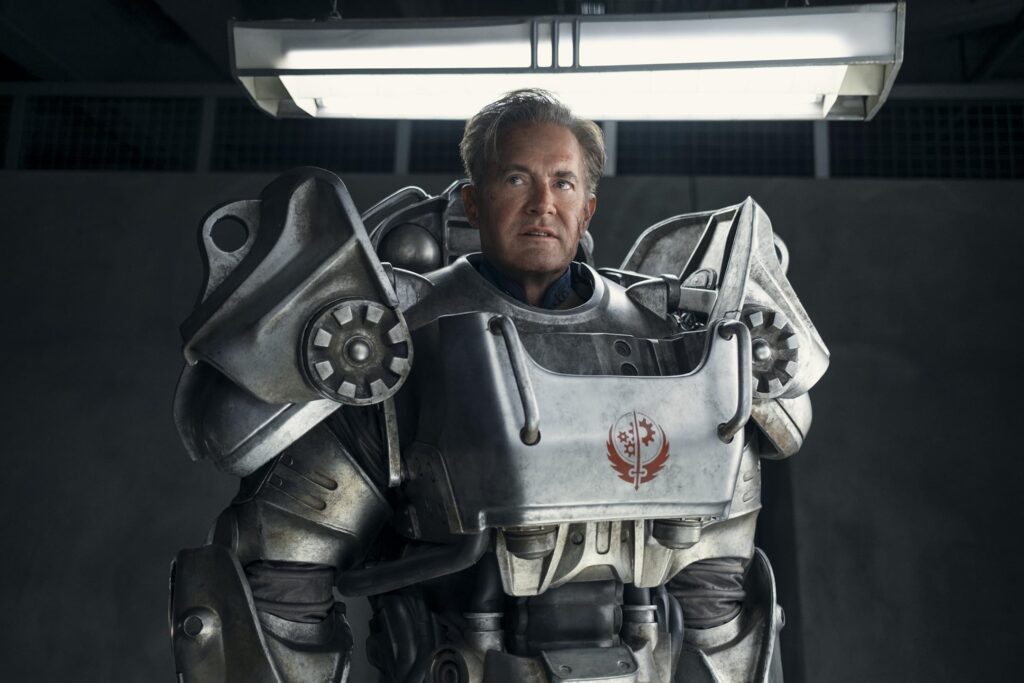
Lucy MacLean (Ella Purnell) finally confronts father Hank (Kyle MacLachlan) in New Vegas’s Lucky 38 casino. His crime: perfecting mind-control technology—miniaturized implants creating “missionaries” who follow ancient orders without memory or personality. But the method’s madness reveals deeper conspiracy.
“You think this is the real world,” Hank tells Lucy. “The surface is the experiment, not the Vaults.”
The implication: Vault-Tec’s social engineering didn’t end with nuclear war. The Wasteland’s factions—New California Republic, Brotherhood of Steel, Caesar’s Legion—are all unwitting test subjects. Hank’s “missionaries” (including Representative Welch’s decapitated head, used as personality template) ensure outcomes follow Vault-Tec’s centuries-old protocols.
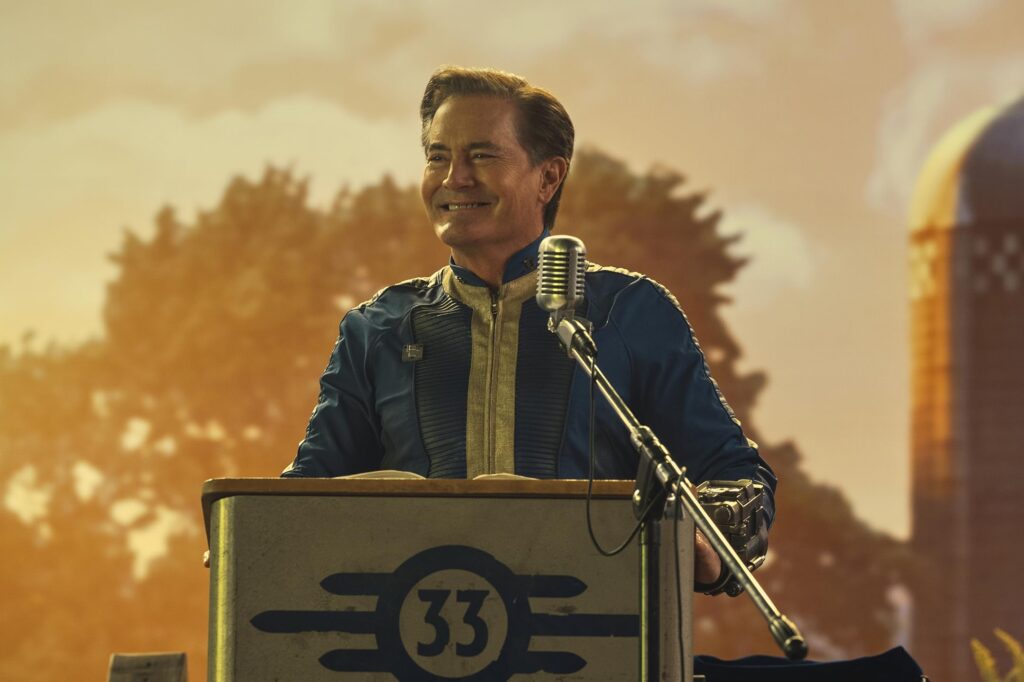
Lucy’s response: implanting Hank with his own device, erasing the father she sought. But he activates it himself, becoming blank slate before revealing Phase Two’s purpose. The audience knows as little as Lucy. The horror isn’t answers—it’s the scale of questions.
The Ghoul’s Closure
Walton Goggins’ Ghoul (Cooper Howard) achieves season’s only emotional resolution. After 200 years searching, he discovers wife Barb and daughter Janey’s cryo-pods—empty except for Colorado postcard: “Colorado was a good idea.”
The Ghoul’s arc completes his transformation from nihilistic bounty hunter to desperate romantic. His choice—giving cold fusion diode to U.S. President rather than Robert House—saves New Vegas temporarily but costs him family reunion. The postcard becomes both hope and cruelty: they’re alive, but elsewhere, and he’s still hunting.
Goggins’ performance—tenderness beneath scar tissue—earns Emmy buzz. The Ghoul’s final line to Lucy (“Welcome to the Wasteland”) acknowledges shared trauma: both lost fathers, both made violence their language, both seeking humanity in irradiated hell.
Maximus and the NCR
Aaron Moten’s Maximus faces Deathclaws in New Vegas streets, armed only with depleted robo-suit and father’s memory. His “hero moment”—roulette wheel shield, pool cue sword—is cut short by NCR snipers saving him. Like Lucy, he’s denied agency. The Wasteland doesn’t reward individual heroism; it absorbs it into factional warfare.
The NCR’s arrival signals Season 3’s conflict expansion. Season 2 introduced Legion (Macaulay Culkin’s Caesar), Brotherhood civil war (Liberty Prime Alpha teased in post-credits), and Enclave (Stephanie Harper’s “Phase Two” activation). Season 3 will be three-way war—four if House survives his “death.”
The Post-Credits Bomb
The finale’s stinger reveals Brotherhood of Steel leader Quintus (Michael Cristofer) receiving blueprints for “Liberty Prime Alpha”—giant combat robot from Fallout 3 and Fallout 4. Quintus’s declaration (“Quintus the destroyer is born”) confirms Brotherhood schism: peaceful unification failed, violent domination begins.
This weapon changes Wasteland power dynamics. Liberty Prime throws nuclear bombs like grenades. If Brotherhood builds it, New Vegas, NCR, Legion—all face annihilation. The Enclave’s Phase Two must counter this, suggesting Season 3’s arms race: mind control versus mechs.
Vault-Tec’s 200-Year Game
Fallout Season 2‘s central revelation—surface as experiment—recontextualizes franchise lore. The games suggest Vaults were social experiments; the show argues the entire post-apocalypse is continuation. Nuclear war wasn’t tragedy. It was methodology.
Hank’s “missionaries” (undetectable implants, tiny neck scars) explain Wasteland’s cyclical violence: raiders attack because programmed to, settlements fail because designed to, hope dies because experiment requires despair. Lucy’s resistance—her refusal to kill Hank, her choice to save rather than avenge—represents experiment’s first true variable.
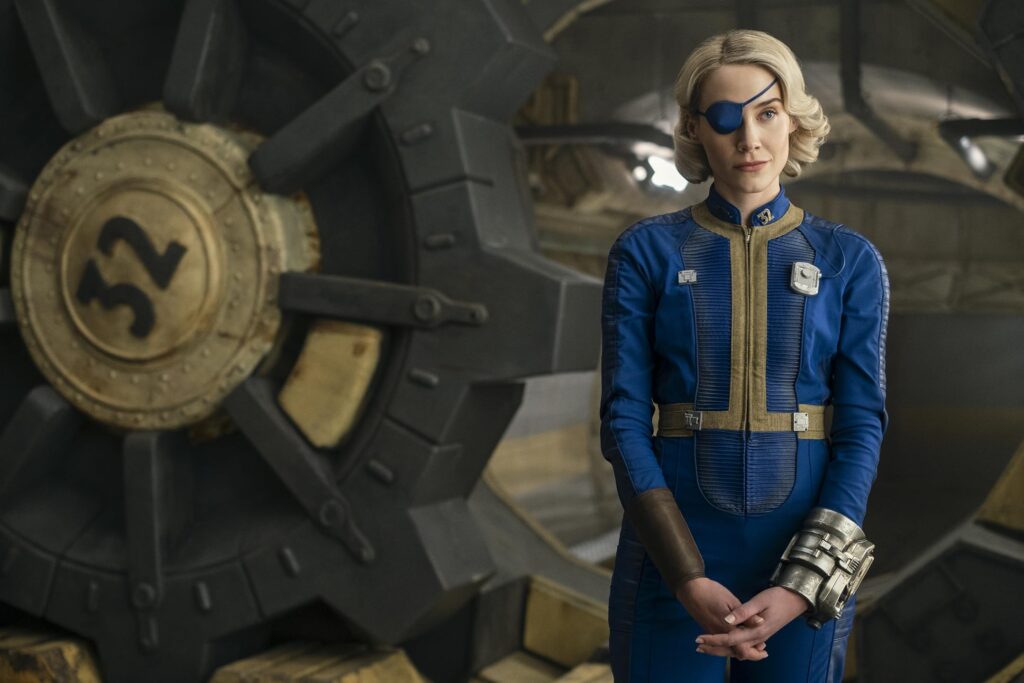
Stephanie Harper’s Vault 32 storyline confirms scope. Her 200-year lifespan, Canadian origin (U.S. annexed Canada pre-war), and marriage to Hank reveal Enclave’s deep infiltration. Her “Phase Two” activation—from snowy mountain fortress receiving all Vault communications—suggests global coordination, not isolated experiments.
War for the Wasteland
Fallout Season 2 ends with four armies converging:
- Legion (Caesar’s Palace, literally)
- NCR (democratic expansionists)
- Brotherhood (techno-fascist with mech)
- Enclave (shadow government, Phase Two unknown)
Lucy, Maximus, and Ghoul form fragile alliance—trauma survivors seeking meaning in meaningless world. Their individual quests (Lucy’s mother? Maximus’s identity? Ghoul’s Colorado?) merge into Wasteland’s fate.
Prime Video hasn’t renewed officially, but 95% Rotten Tomatoes score and “most-watched Prime original 2026” metrics guarantee Season 3. The experiment continues. The Wasteland always wins.
Also Read: Disney Blockbuster Season: Toy Story 5 and Mandalorian Merch Blitz