
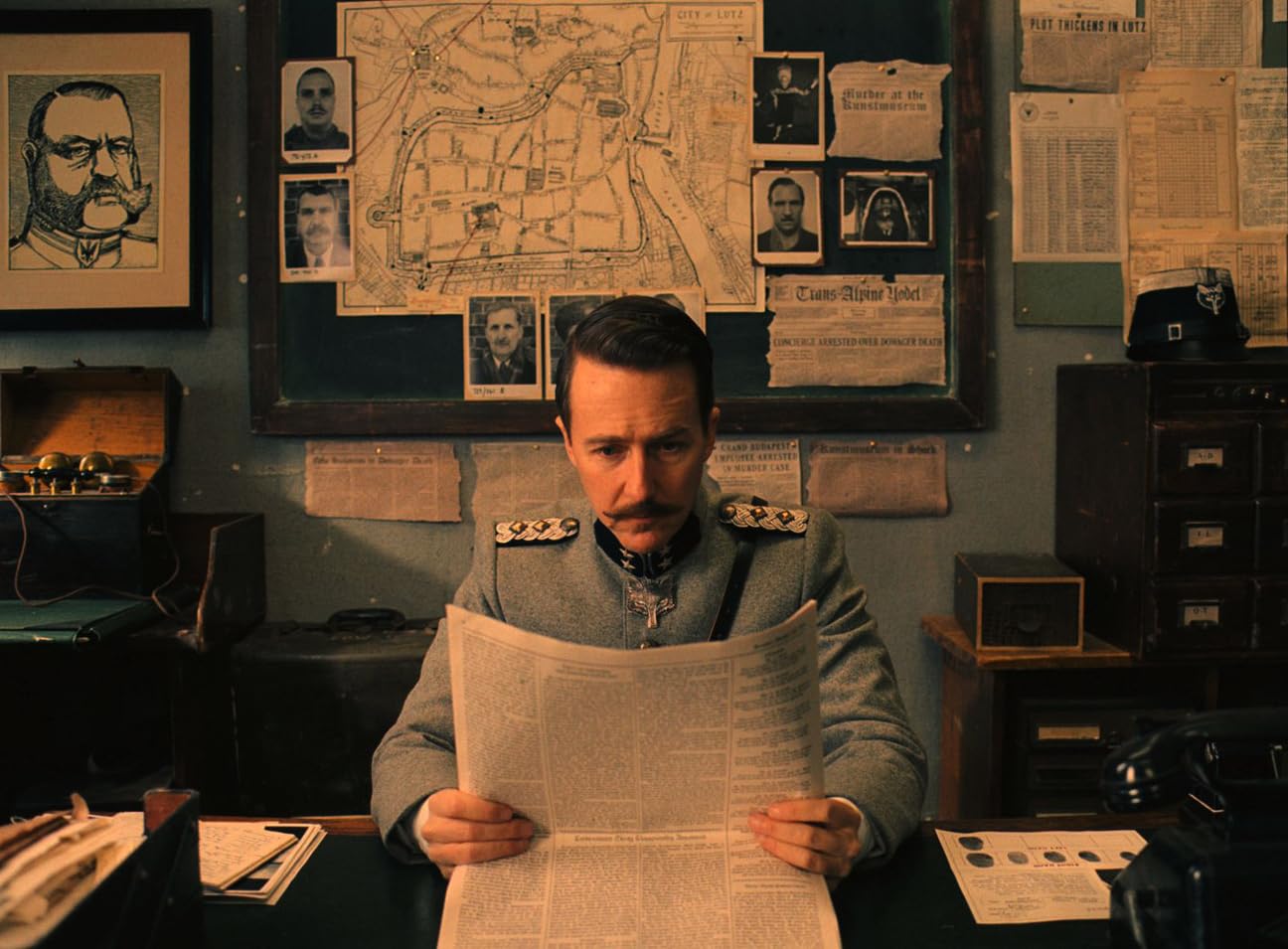
Grand Budapest Hotel Wes Anderson best film debate just exploded across Reddit again, and this time the numbers are impossible to ignore. The 2014 film remains his highest-grossing work, his most awarded feature, and the only movie in his entire catalog selected for preservation in the National Film Registry. Yet somehow fans still argue about whether it deserves the crown.
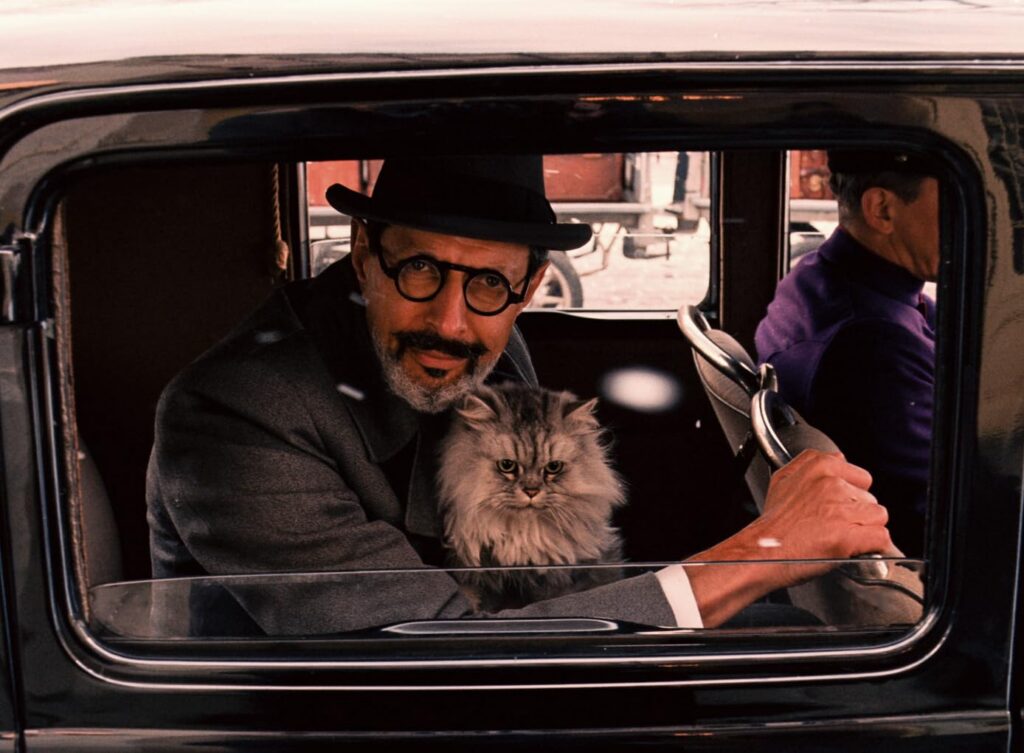
The case for Grand Budapest Hotel is overwhelming. It earned nine Academy Award nominations and won four, including Best Production Design, Best Costume Design, Best Makeup, and Best Original Score. No other Wes Anderson film has come close to that level of Oscar recognition. The Grand Budapest Hotel Wes Anderson best argument practically writes itself when you look at the trophy case.
But the debate persists because Anderson has built such a distinctive and beloved filmography. Royal Tenenbaums defined a generation of indie cinema. Moonrise Kingdom captured childhood innocence with unmatched warmth. The French Dispatch and Asteroid City pushed his visual style into even more experimental territory. Fans of those films argue that Grand Budapest is simply the most accessible Anderson movie, not necessarily the best.
What separates Grand Budapest Hotel from the pack is Ralph Fiennes. His performance as Monsieur Gustave H. is widely considered the greatest lead performance in any Anderson film. He balances absurd comedy with genuine pathos, creating a character who is simultaneously ridiculous and deeply moving. The Grand Budapest Hotel Wes Anderson best conversation always comes back to Fiennes, because without him the film would lose its emotional anchor.
The film also benefits from perfect timing. Released in 2014, it arrived when Anderson had fully matured as a filmmaker but had not yet drifted into the more fragmented storytelling of his recent work. Every frame feels purposeful. Every joke lands. The ensemble cast, including Tony Revolori, Tilda Swinton, Saoirse Ronan, and Bill Murray, operates like a precision clock.
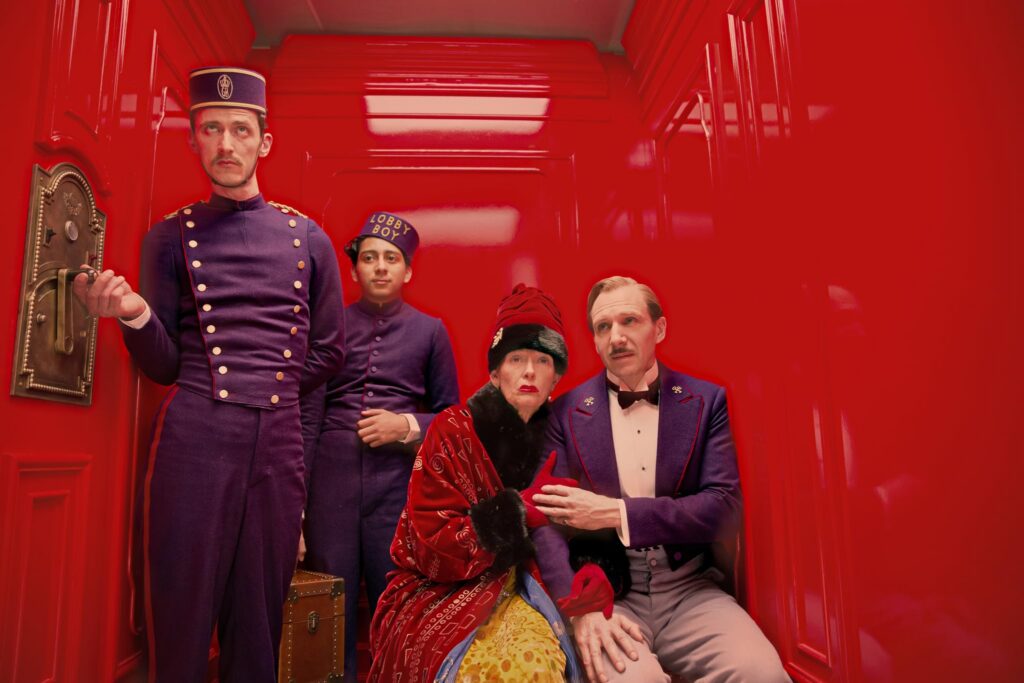
Thematically, Grand Budapest Hotel tackles fascism, nostalgia, and the death of elegance with a lightness that makes the heavy subject matter digestible. Anderson never lectures. He lets the story breathe and trusts his audience to catch the historical parallels. That balance of entertainment and substance is rare in any filmmaker career.
The visual language also deserves credit. The aspect ratio shifts, the color-coded timelines, and the miniature-style sets create a world that feels both artificial and achingly real. Alexandre Desplat score weaves Russian folk motifs into something instantly iconic. These elements work together so seamlessly that you forget how much craft went into every second.
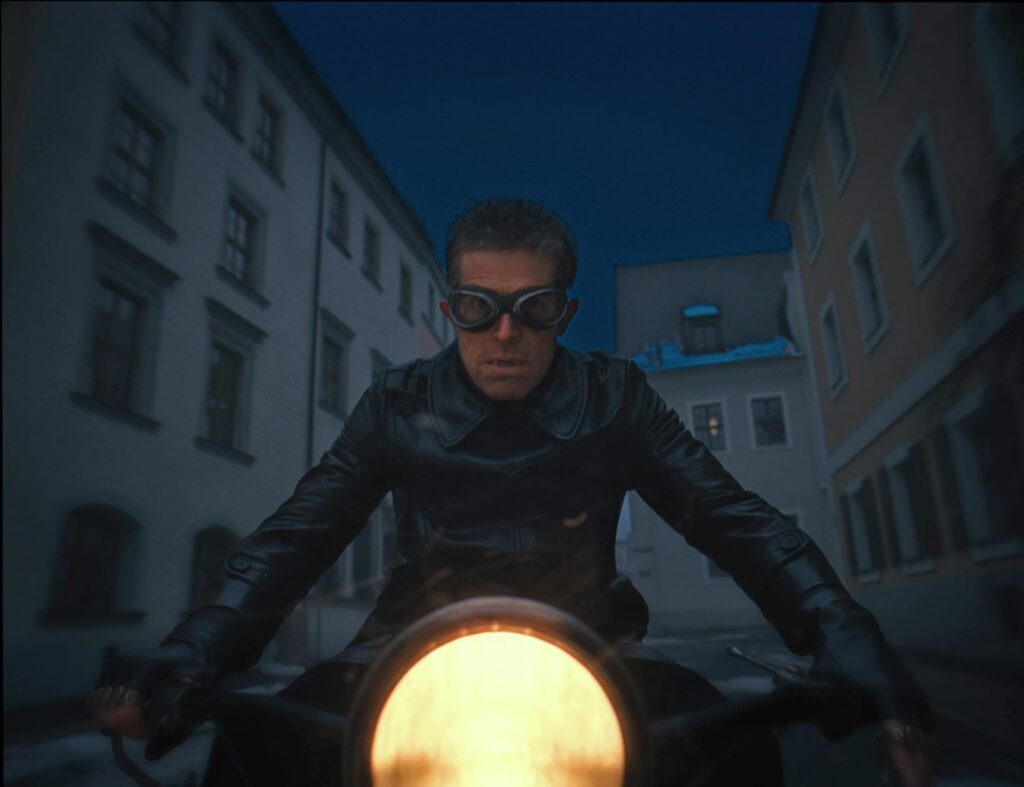
Of course, calling something the best is always subjective. Some viewers prefer the raw family drama of Tenenbaums. Others gravitate toward the whimsy of Fantastic Mr. Fox. But the Grand Budapest Hotel Wes Anderson best consensus grows stronger every year. As more of his films enter the cultural conversation, this one keeps rising to the top.
Whether you are a longtime Anderson devotee or a newcomer exploring his work, Grand Budapest Hotel remains the perfect entry point and the hardest film to top. The debate will never truly end, and that is exactly what makes it so much fun.