
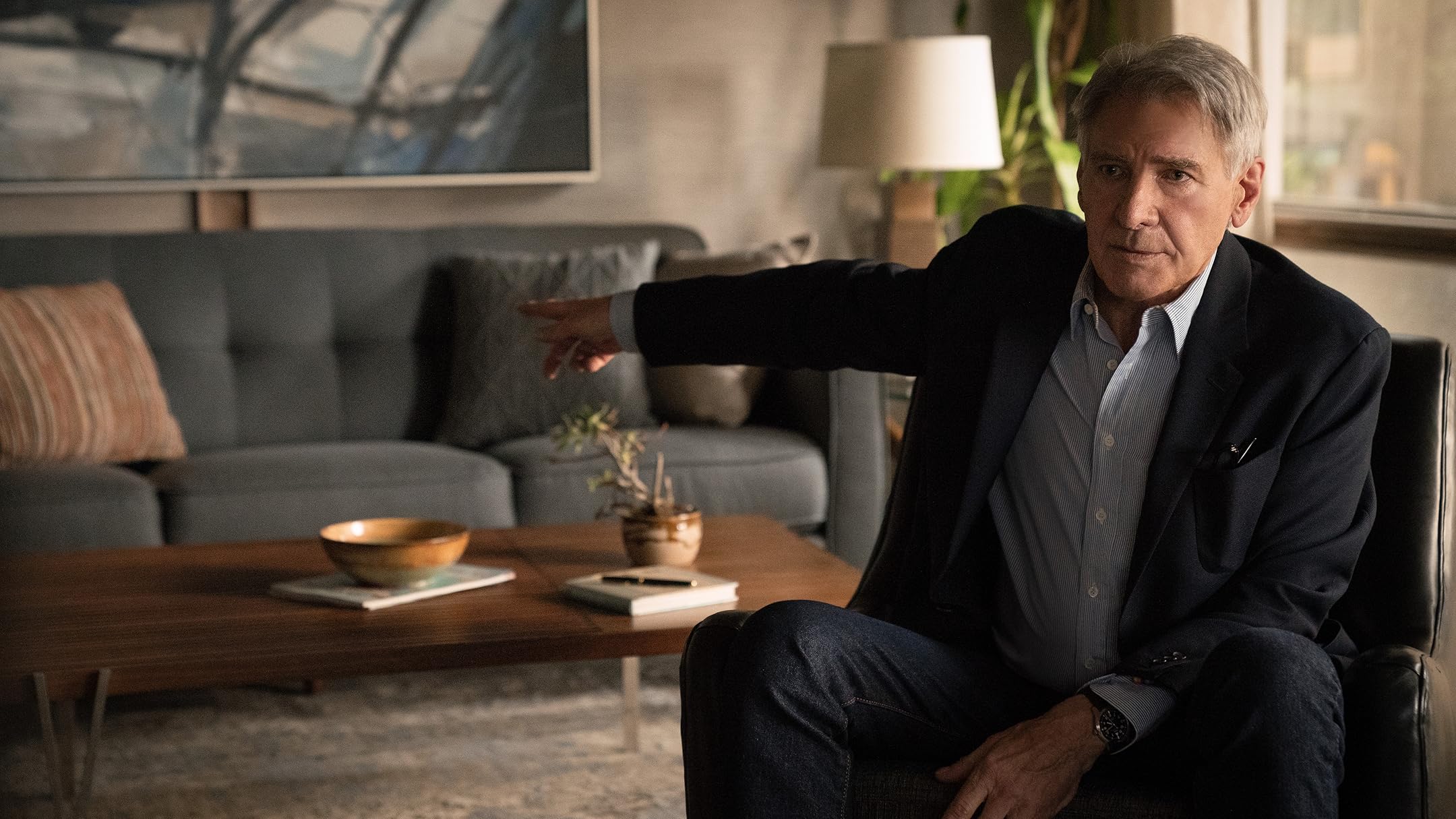
Harrison Ford doesn’t do sentimental. He doesn’t gush. He doesn’t tear up during interviews or deliver long monologues about how much a role means to him. So when he stood on a Shrinking panel and told co-creator Bill Lawrence that he was “very grateful” for the Parkinson’s storyline that defines his character, people paid attention. This was Harrison Ford being vulnerable, and it only happens about as often as a solar eclipse.
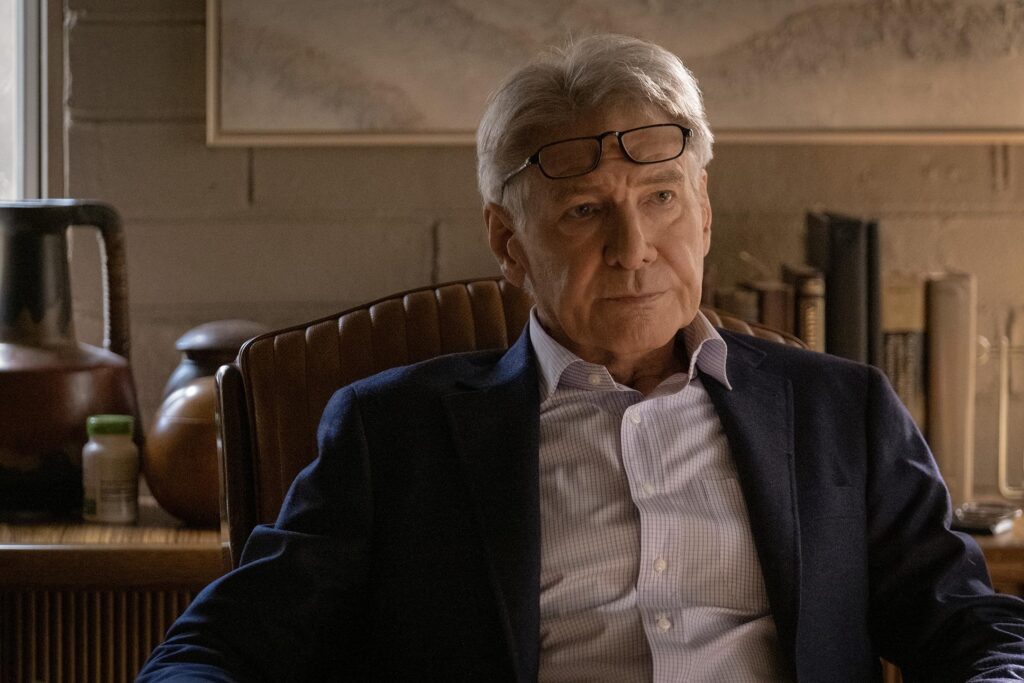
Dr. Paul Rhoades, Ford’s character on the Apple TV comedy, has been living with Parkinson’s disease since the show began. It’s not a gimmick or a plot device; it’s woven into every aspect of Paul’s identity. The tremors, the stiffness, the fear of progression, the refusal to let the disease define him. Ford plays it with the kind of understated authenticity that comes from research, respect, and genuine empathy.
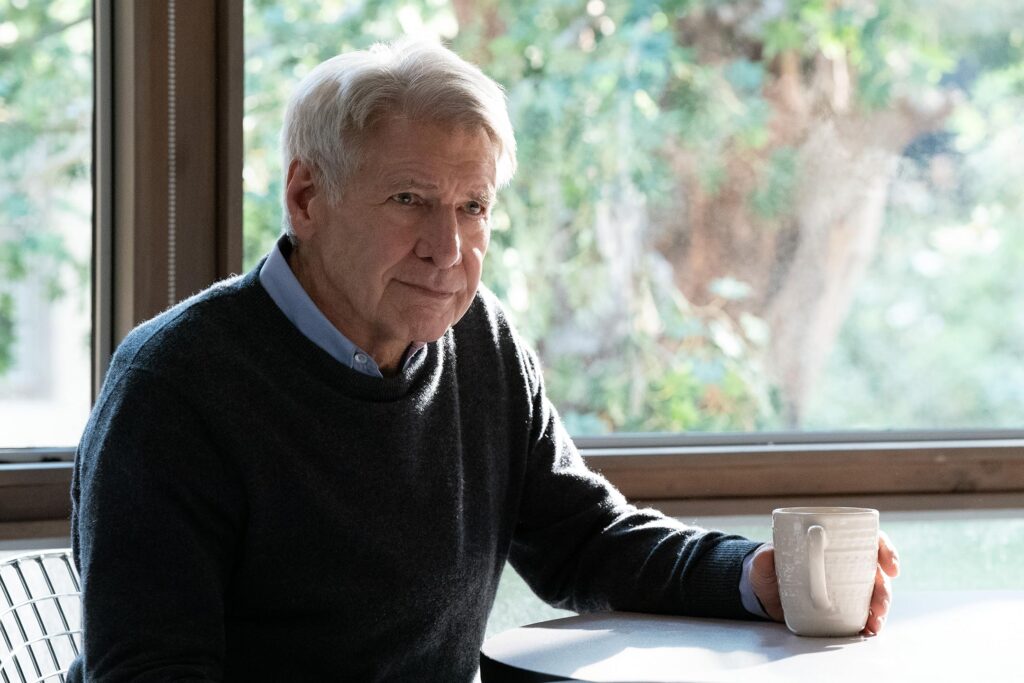
The storyline took on additional weight in Season 3 when Michael J. Fox joined the cast as Gerry, another Parkinson’s patient who meets Paul in a neurology clinic. Fox, who has been public about his own Parkinson’s diagnosis since the 1990s, brought decades of lived experience to the role. Ford, watching Fox work, reportedly gained new insight into the daily realities of the disease. The two actors share scenes that are funny, poignant, and grounded in a truth that no amount of acting training can replicate.
At the panel, Ford’s gratitude was directed specifically at Lawrence and the writers for trusting him with material this sensitive. He understood that mishandling Paul’s condition would be disrespectful to the millions of people living with Parkinson’s. Instead, Shrinking treats it as one facet of a complex human being—something Paul deals with while also falling in love, mentoring colleagues, and dispensing the kind of gruff wisdom that only Harrison Ford can deliver.
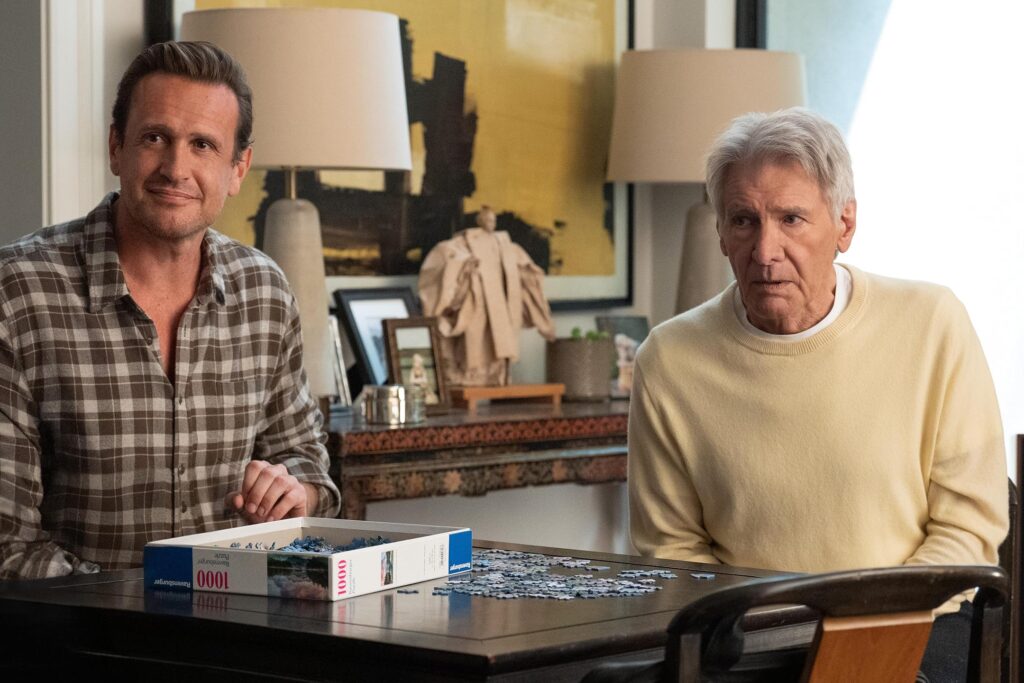
The show has been praised by Parkinson’s advocacy groups for its accurate portrayal of the disease’s progression. Season 3 shows Paul’s symptoms worsening, including hallucinations that blur the line between reality and imagination. It’s heavy material for a comedy, but Shrinking has always operated in that space between laughter and tears. Ford navigates it with the precision of a man who knows that humor and tragedy are two sides of the same coin.
What makes Ford’s gratitude so meaningful is his history of playing invincible heroes. Han Solo, Indiana Jones, Jack Ryan—these are men who don’t get sick, don’t slow down, don’t show weakness. Paul Rhoades is the opposite. He’s a man confronting his own mortality while trying to maintain his dignity, his relationships, and his sense of humor. It’s the most vulnerable performance of Ford’s career, and he’s clearly proud of it.
When Harrison Ford says he’s grateful, he means it. And in a career spanning five decades, that’s saying something.
Feel all the feelings—stream Shrinking Seasons 1-3 on Apple TV and watch Harrison Ford deliver his most vulnerable performance yet.
Also Read: Harrison Ford at 83 Still Has No Time for Your Nonsense