
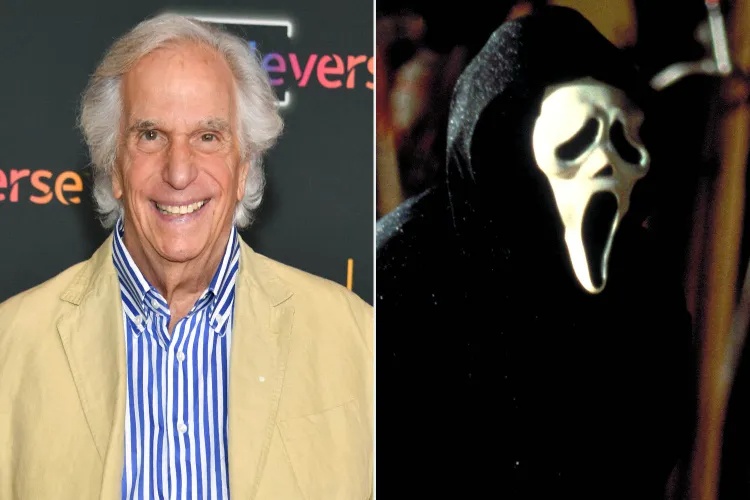
Henry Winkler almost survived Ghostface. Almost.
The acting legend recently revealed that his name was removed from the original Scream’s credits despite filming a scene as Principal Himbry. The reason? He asked for a raise. Wes Craven, operating on a tight budget, simply deleted him instead. Hollywood efficiency at its finest.
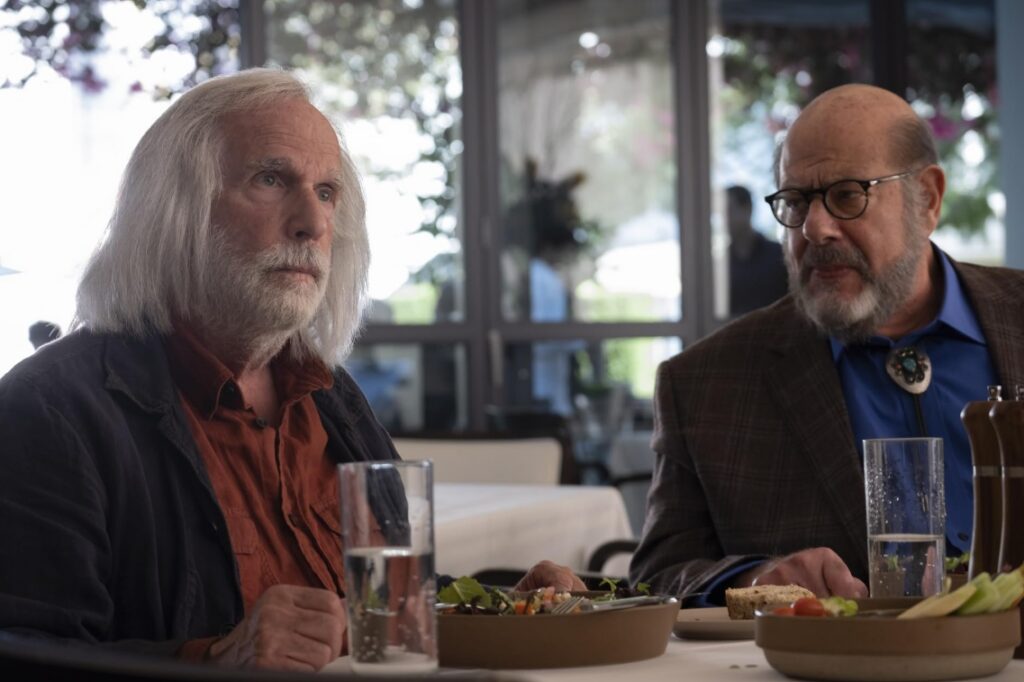
Winkler shared this tidbit casually, as one does when discussing decades-old slights. The scene itself remained in the film. His performance stayed intact. Only the credit vanished, like a victim down a dark hallway. Poetic, really.
This revelation illuminates two truths simultaneously. First, Scream’s production was genuinely cash-strapped. The $15 million budget forced brutal decisions. Second, Winkler’s career trajectory made him simultaneously recognizable and expendable. Famous enough to cast, not famous enough to pay more.
The Fonz asking for more money feels appropriate. Arthur Fonzarelli would absolutely demand better compensation. Winkler brought that same swagger to Principal Himbry, playing against type as an authority figure who meets a gruesome end. His death scene remains memorable specifically because viewers didn’t expect Happy Days energy in a horror movie.
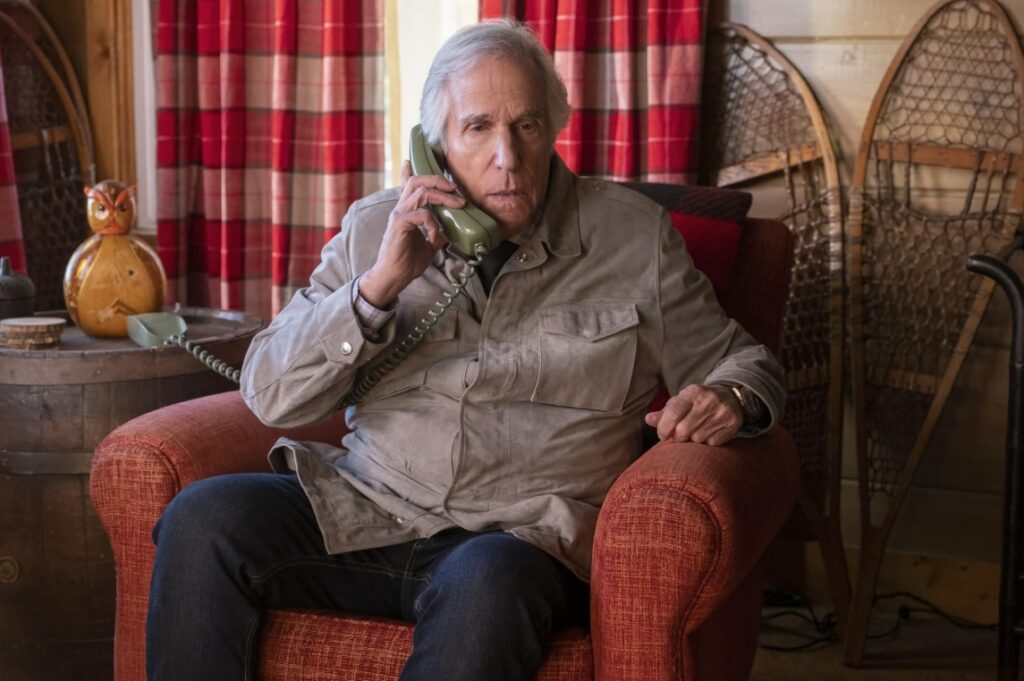
Craven’s solution—keep the footage, lose the credit—represents classic low-budget problem-solving. The scene worked. Why reshoot? But Winkler’s agent presumably wanted that credit for resume purposes. Instead, nothing. Ghostface got him after all.
What’s remarkable is how thoroughly this was forgotten. Scream became a massive hit, launched a franchise, inspired endless analysis. Yet Winkler’s credit controversy disappeared completely until he mentioned it himself. No production memoirs referenced it. No oral histories uncovered it. Sometimes the best trivia hides in plain sight.
The actor’s tone when discussing this suggests amusement rather than bitterness. Decades provide perspective. He’s had plenty of successes since. Barry alone would justify any career. But there’s something delicious about Henry Winkler, Emmy winner and beloved cultural figure, getting erased from a horror classic over salary negotiations.
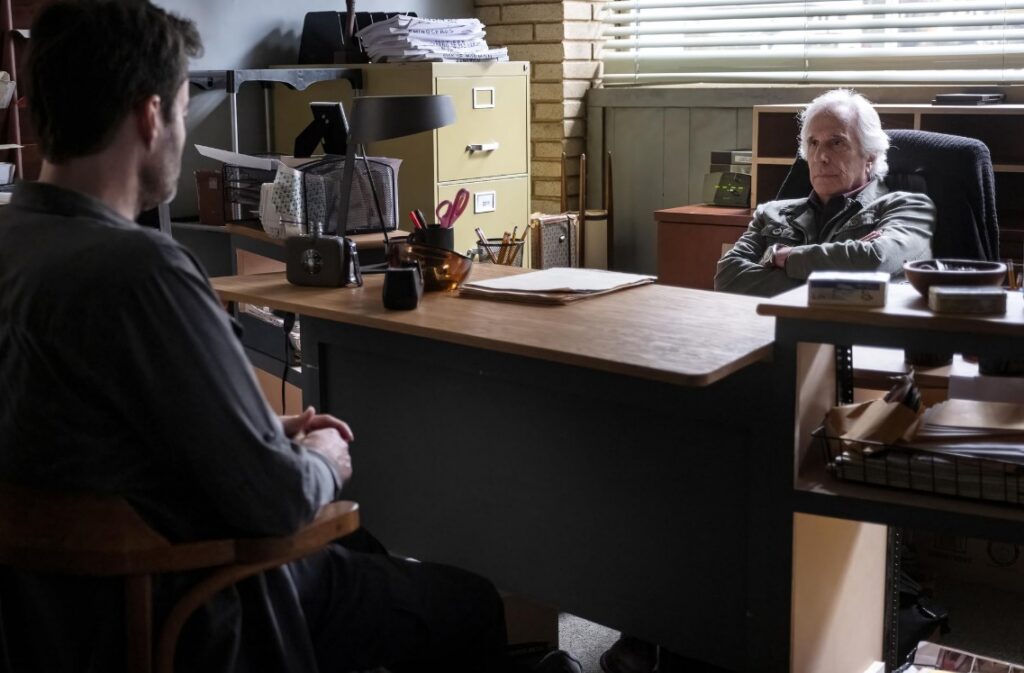
Scream’s legacy only grows with time. The 1996 film revitalized slasher cinema through self-awareness and genuine scares. Its influence permeates contemporary horror. And somewhere in that legacy sits an uncredited performance from one of television’s most iconic characters. The irony satisfies.
Would Winkler’s credited presence have changed anything? Probably not. Principal Himbry dies memorably regardless. But the story adds texture to understanding how 1990s genre filmmaking operated. Every dollar mattered. Every credit was negotiable. Stars weren’t born from these films; they were made through them.
Winkler survived. That’s the real takeaway. He outlasted the slight, outlasted Craven, outlasted the entire original Scream era. Now he can tell the story with a smile, having proven his durability across five decades of entertainment. The Fonz jumps the shark. Henry Winkler jumps over petty career obstacles.
Sometimes getting cut is its own kind of immortality.
Also Read: The Batman Part II Reveals Gotham’s Brutal New Look