
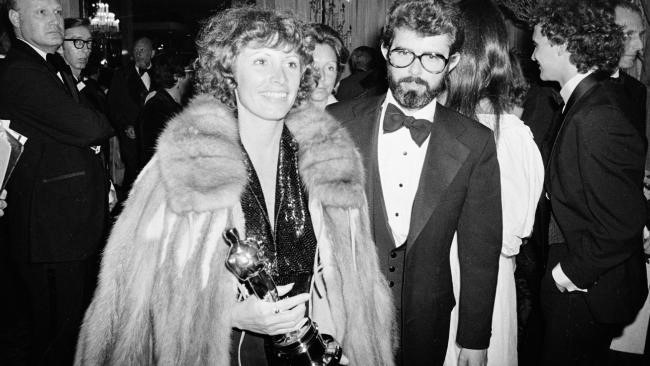
Marcia Lucas film editor was the secret weapon behind the original Star Wars trilogy, and if you didn’t know her name until now, that’s exactly the problem. She died recently at the age of 83, and the obituaries finally gave her the recognition she should have received decades ago—an Oscar for Best Film Editing on A New Hope, a career that shaped the most important franchise in cinema history, and a legacy that proves George Lucas wasn’t working alone in that garage.
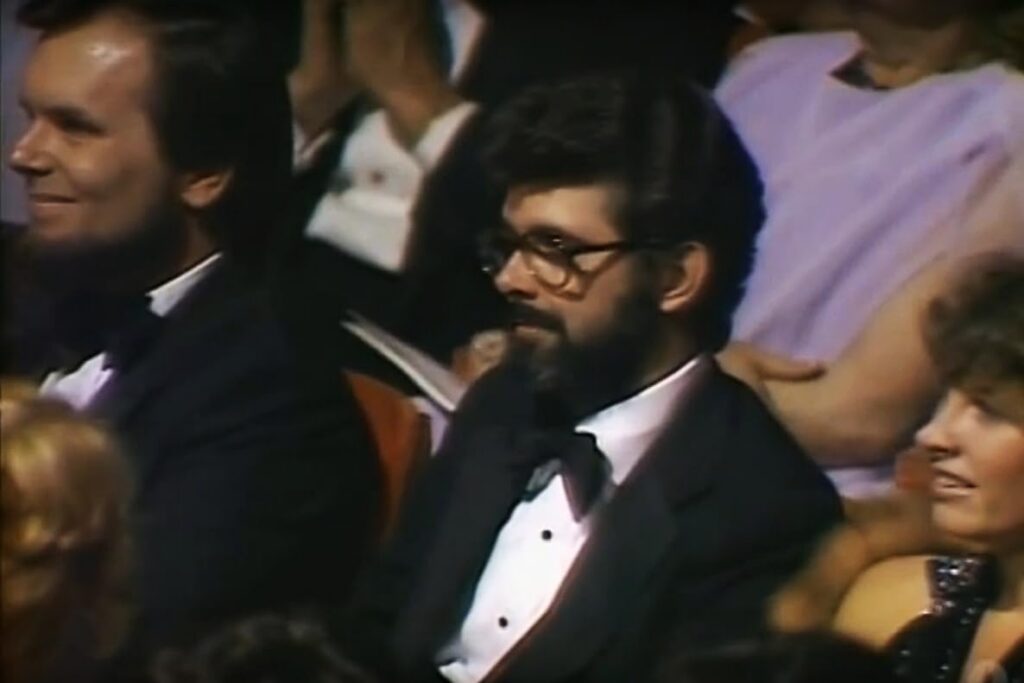
Marcia Lucas film editor skills were legendary in an era when women barely got hired for technical positions. She met George at USC film school, back when they were both aspiring filmmakers with big dreams and small budgets. While George was obsessing over spaceships and mythological archetypes, Marcia was in the editing bay making sure the footage actually worked. She was the one who insisted on keeping the Death Star trench run sequence tense and propulsive. She was the one who shaped the rhythm of the lightsaber duels. She was the one who understood that audiences needed emotional beats between the explosions.
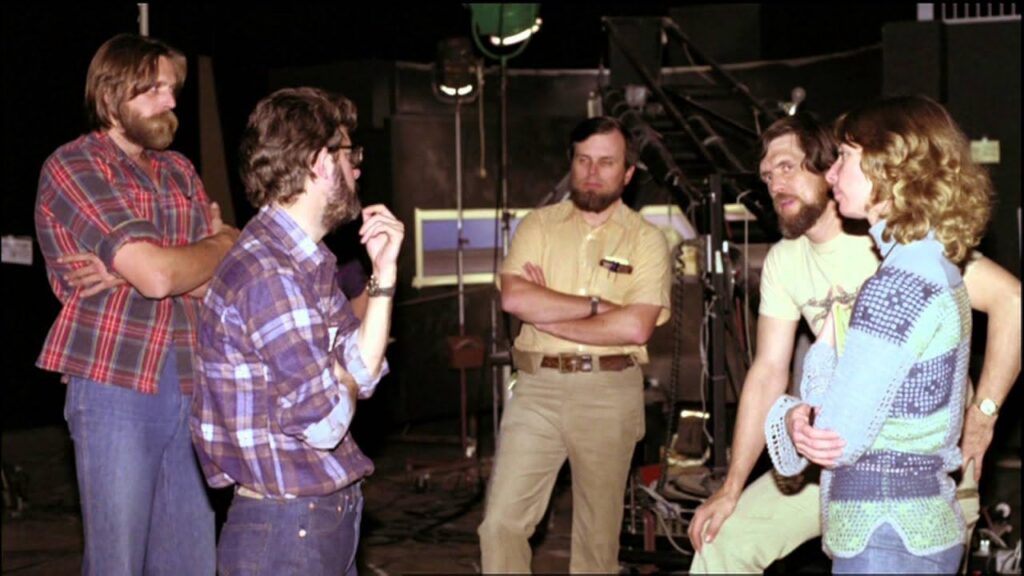
The most famous story about Marcia Lucas film editor work involves the original Star Wars rough cut, which was apparently a disaster. George had assembled something bloated and confusing, and the studio was ready to write the whole thing off as an expensive failure. Marcia came in and essentially rebuilt the movie from the ground up, cutting characters, tightening sequences, and creating the pacing that made audiences cheer instead of check their watches. She saved Star Wars, and for years, nobody outside the industry knew her name.
She also edited Taxi Driver for Martin Scorsese, which should have been enough to secure her place in the pantheon even without the Star Wars connection. That film’s gritty, uncomfortable rhythm—the way it lingers on Travis Bickle’s isolation before exploding into violence—that’s Marcia’s handiwork. She had an instinct for when to hold a shot and when to cut away, a sense of timing that can’t be taught in film school.
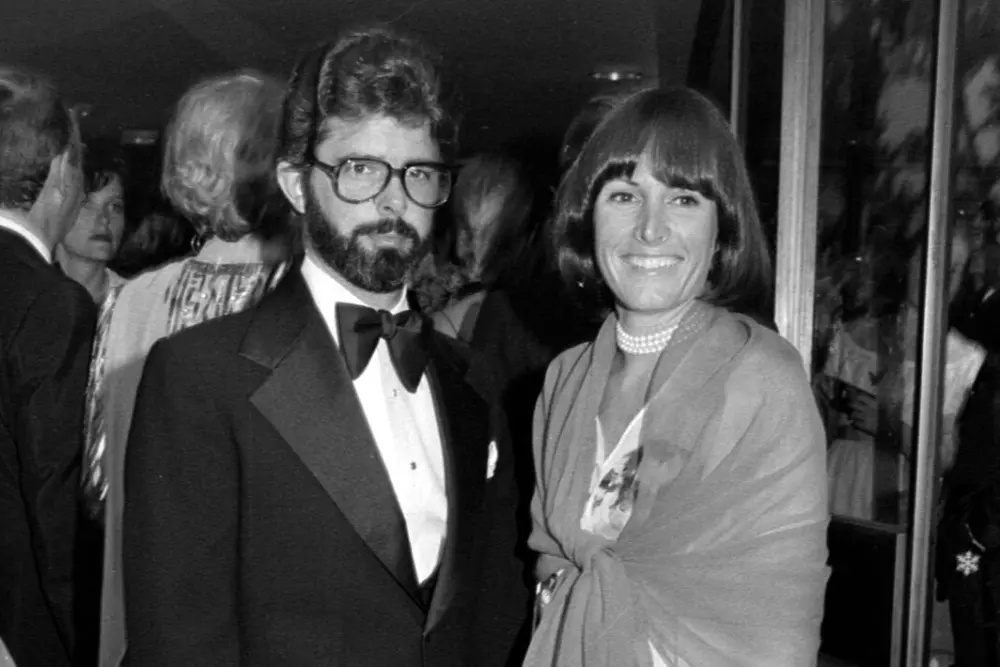
The marriage didn’t survive the success. George and Marcia divorced in 1983, and the official narrative became the George Lucas myth—the lone visionary who created a universe from scratch. Marcia faded from the public consciousness, occasionally mentioned in behind-the-scenes documentaries but rarely celebrated as a co-architect of the phenomenon. She moved to Los Angeles, continued editing, and lived a relatively quiet life while the franchise she helped birth became a global empire.
Her death has prompted a reassessment that should have happened years ago. Film historians are pointing out that the original trilogy’s editing is noticeably sharper than the prequels, which George made after their divorce without Marcia’s input. The prequels are bloated, poorly paced, and emotionally inert—exactly the kind of films Marcia used to save him from making. Coincidence? Absolutely not.
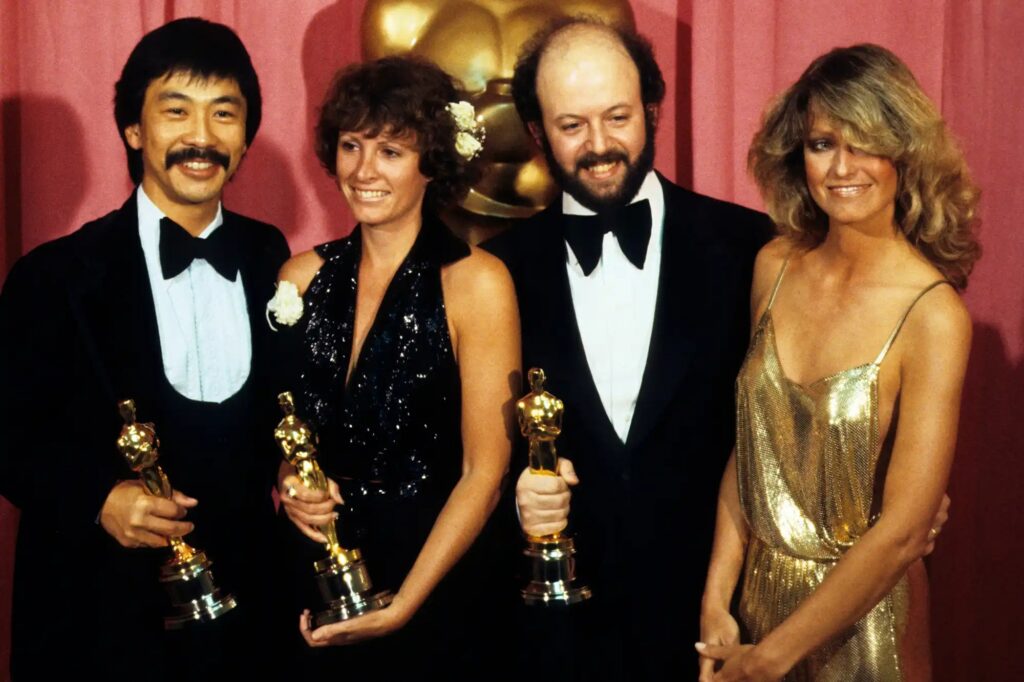
Marcia Lucas film editor deserves to be remembered as one of the greats. She won an Oscar in a field dominated by men, shaped the most influential franchise in pop culture, and did it all while being written out of the story she helped create. Rest in power, queen. The Force was with you, even if the credits weren’t.
Rewatch the classics to honor Marcia Lucas film editor—stream Star Wars: A New Hope and Taxi Driver, and pay attention to the cuts that make them masterpieces.
Also Read: Pinocchio Horror Movie Looks Unhinged