
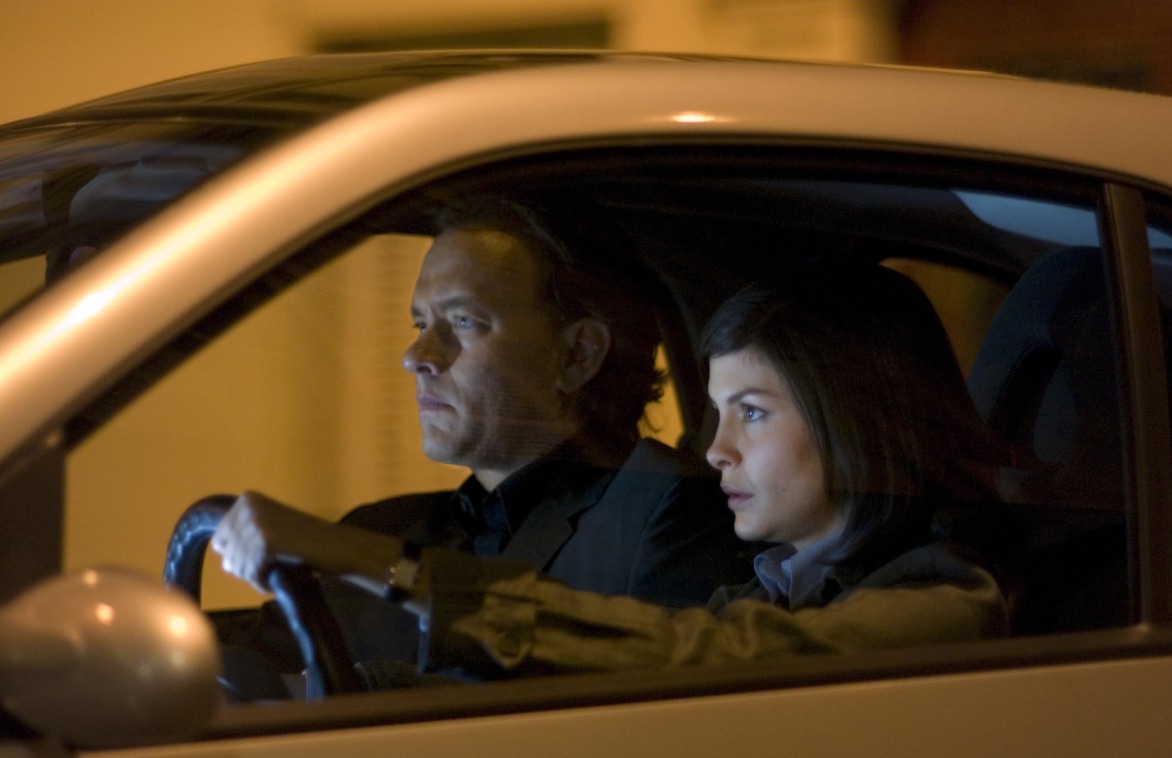
What if the Holy Grail was not a cup at all? The Da Vinci Code takes that question and turns it into a race through secret symbols, coded messages, and religious history. At the centre of the mystery is Mary Magdalene, whose place in the story could change everything Robert Langdon and Sophie Neveu believe they are looking for.
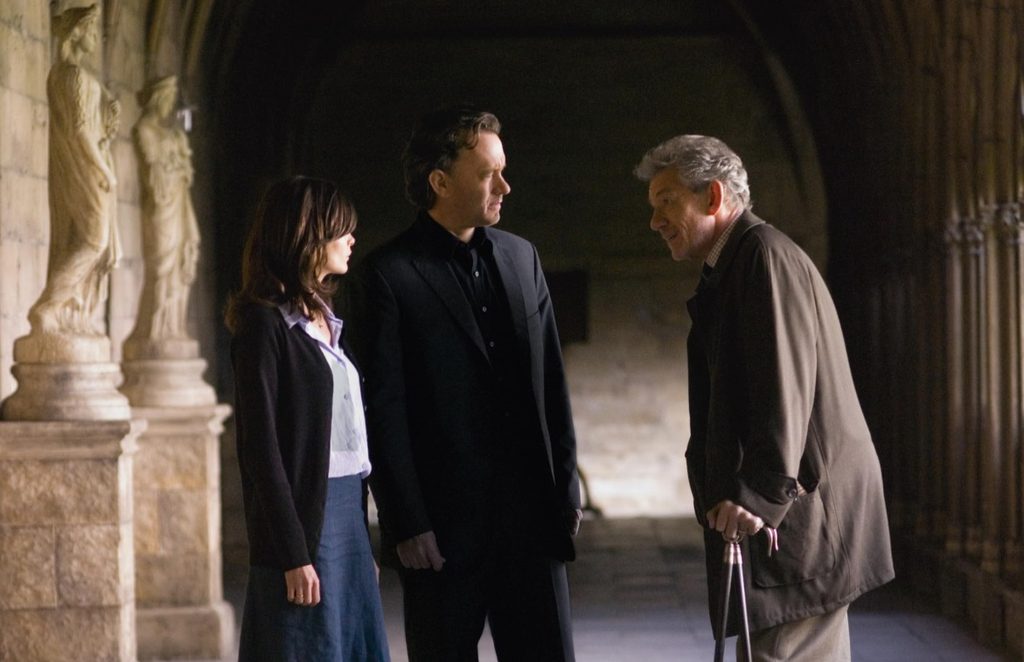
Released in 2006, The Da Vinci Code stars Tom Hanks as Robert Langdon, a Harvard symbologist who becomes involved in a murder investigation at the Louvre. Audrey Tautou plays Sophie Neveu, a cryptologist who helps him follow a trail of clues. What begins as a search for answers soon becomes a chase involving hidden messages, old documents, secret groups, and people who are determined to keep certain information buried.
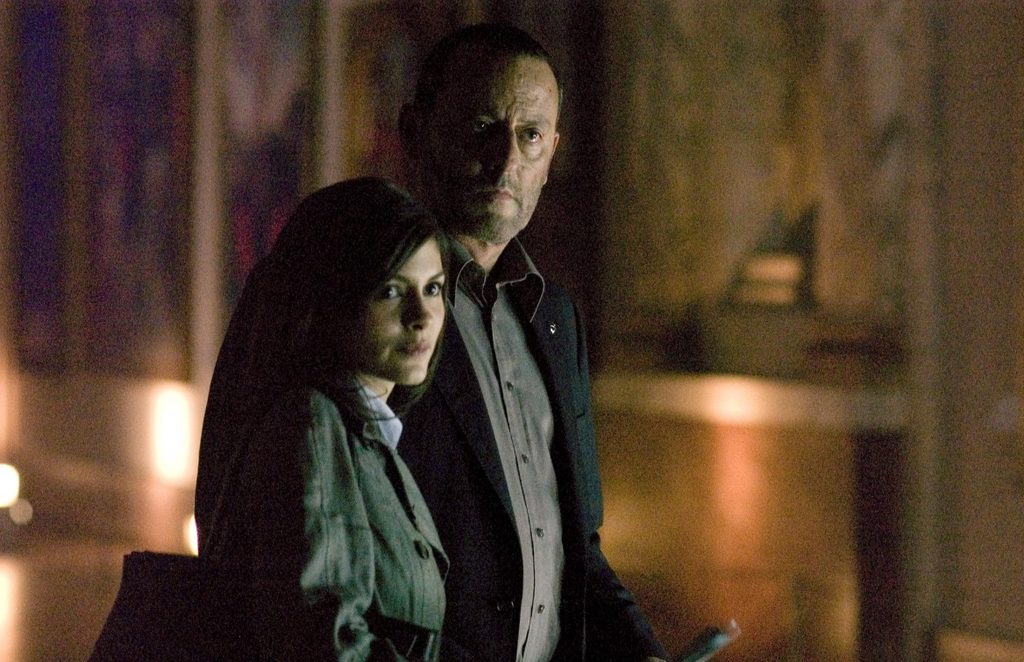
The Mary Magdalene angle gives the mystery its most provocative turn. The film explores a fictional theory that the Grail may refer not to a physical object, but to Mary herself and a bloodline connected to Jesus. That idea changes the meaning of the clues Langdon and Sophie find. Suddenly, symbols that looked like decorative details become part of a much larger puzzle. The story wants you to question every image, every name, and every institution that appears on screen.
Ian McKellen adds another layer as Sir Leigh Teabing, a scholar who knows a great deal about the Grail legends and is eager to explain his version of events. He gives Langdon and Sophie information that pushes the investigation forward, but the film also uses his presence to keep the audience guessing. In a mystery like this, being knowledgeable does not automatically make someone trustworthy.
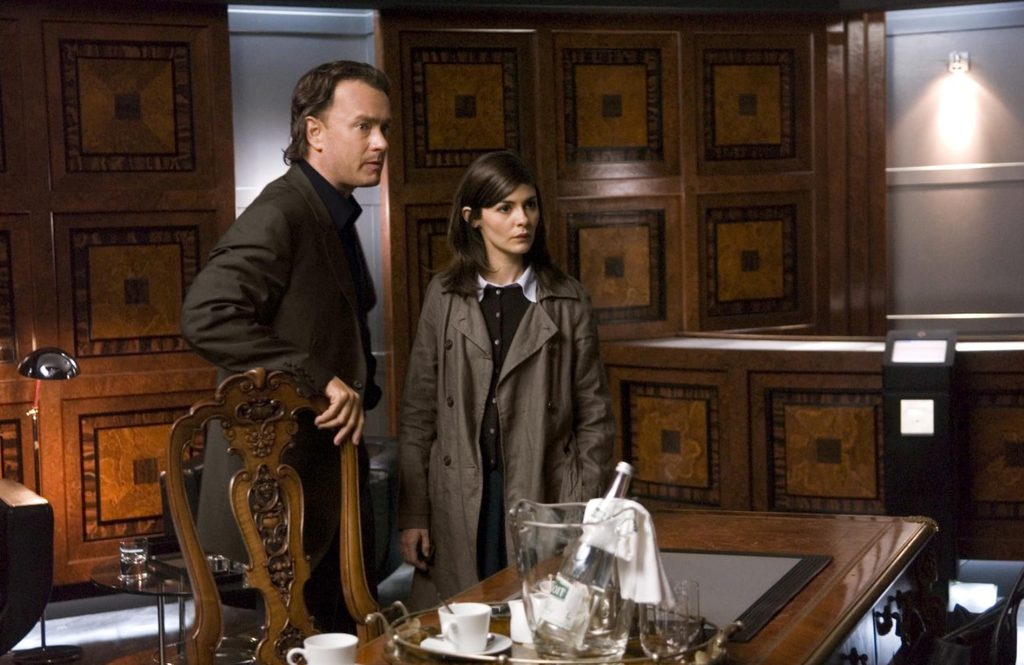
The Da Vinci Code moves quickly because it treats history like a puzzle box. A painting becomes a clue. A phrase becomes a password. A location becomes the next stop in a chase. The film knows that viewers enjoy trying to solve the mystery before the characters do, so it keeps adding details that might be important or might be a distraction.
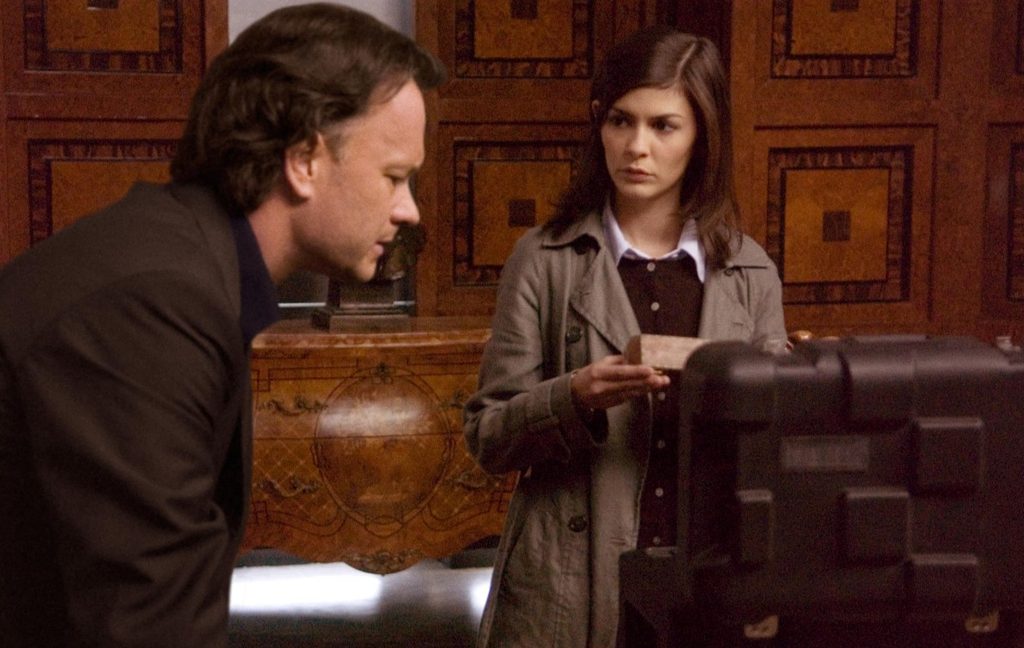
That approach also explains why the film stirred debate. Its story uses real works of art, religious references, and historical names, then places them inside a fictional conspiracy. The claims about Mary Magdalene and the Grail are part of the novel and film’s thriller premise, not established historical fact.
Hanks plays Langdon as a man who relies on patterns and careful reasoning, while Tautou gives Sophie a personal connection to the clues that pushes the story beyond an academic exercise. Their partnership helps balance the film’s dense explanations with a more immediate question: who can they trust, and what happens if they reach the truth too late?
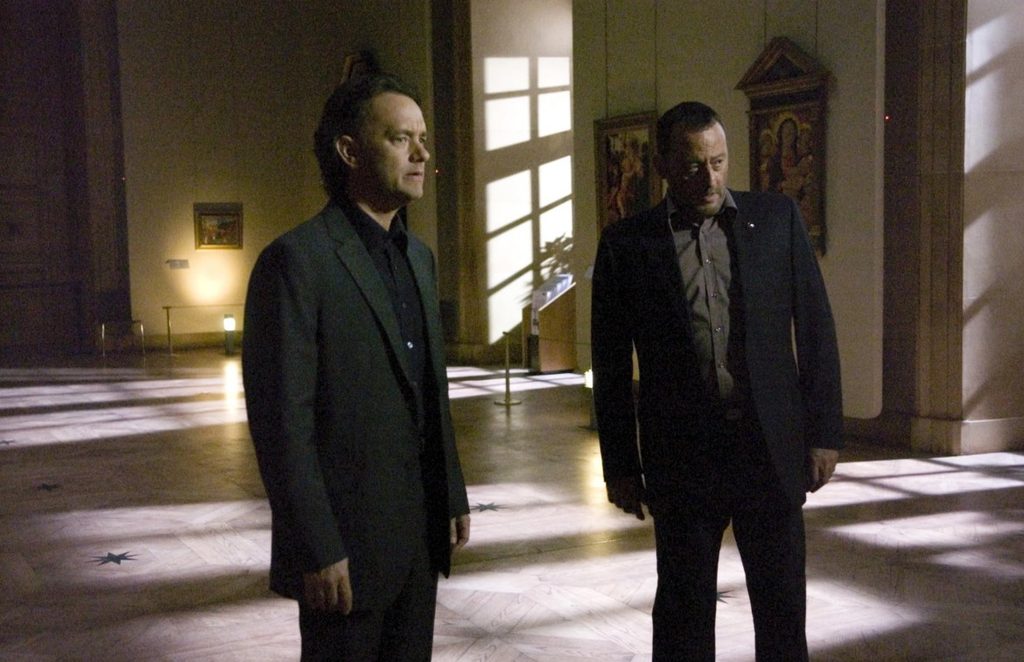
The Mary Magdalene reveal remains the hook that gives The Da Vinci Code its identity. It takes an object people expect to see in a religious mystery and asks viewers to consider a very different answer. Whether that idea convinces you is beside the point of the thriller. The film is built to make you follow the clues, challenge the next explanation, and keep watching until the final piece clicks into place.
Also Read: Kitai vs Ursa in After Earth