
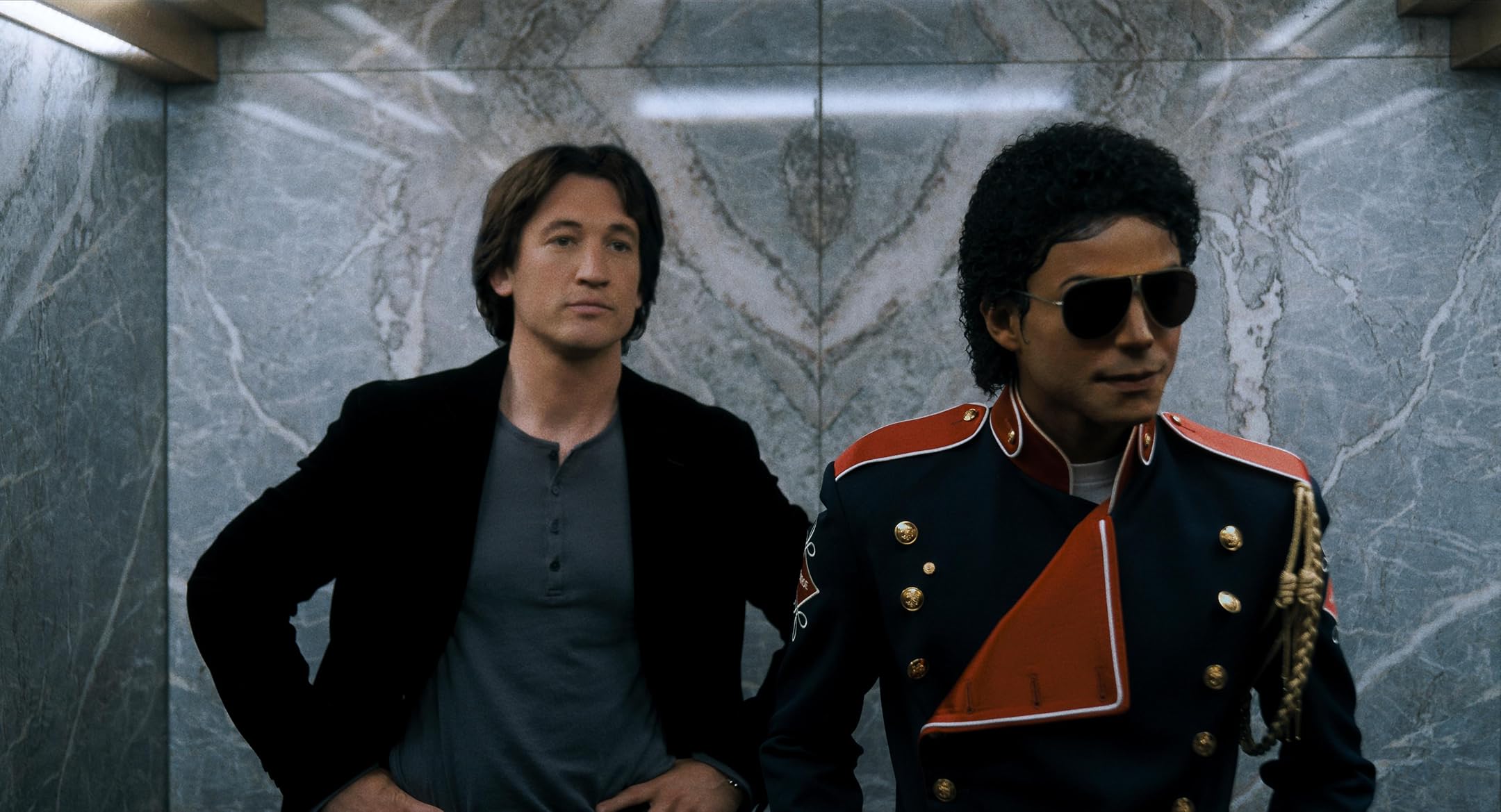
The weekend of April 24–26, 2026 will be remembered as one of the more jaw-dropping box office moments in recent history. Michael, the long-awaited biopic about the King of Pop directed by Antoine Fuqua, opened to a staggering $97 million domestically and $217 million globally — making it the biggest opening weekend for a music biopic in cinema history, by a very wide margin.
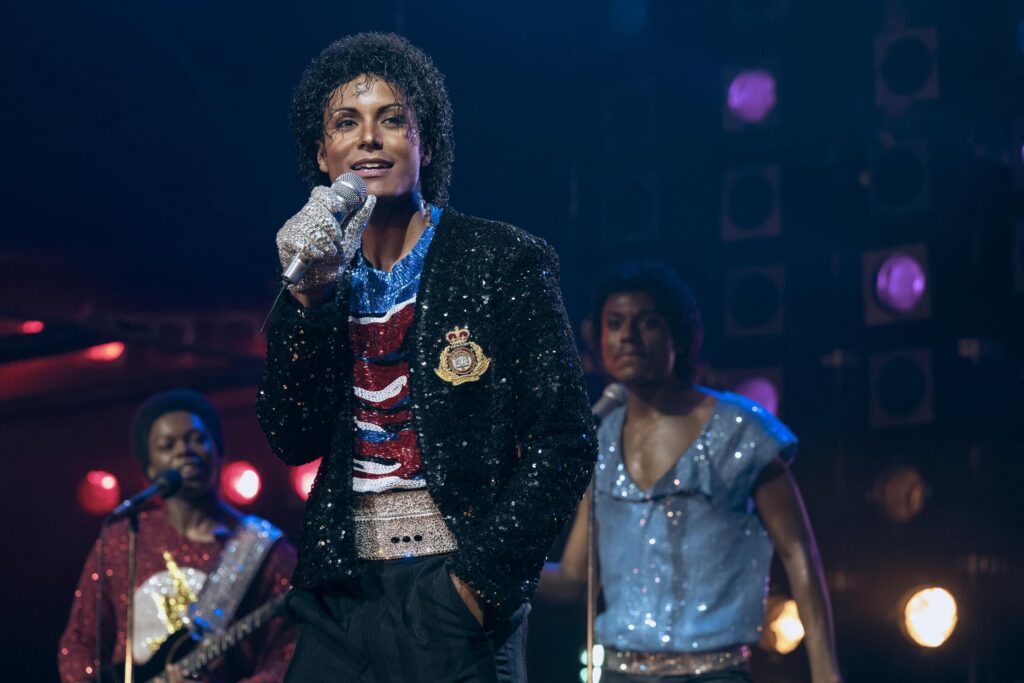
To put that number in perspective, the previous record holder for best opening weekend in the genre was Straight Outta Compton in 2015, which debuted to $60.2 million. Michael did not merely clear that bar; it practically lapped it. The combined opening weekends of several recent music biopics — including the Bruce Springsteen film, the Whitney Houston biopic, and Back to Black — don’t add up to what Michael made in three days.
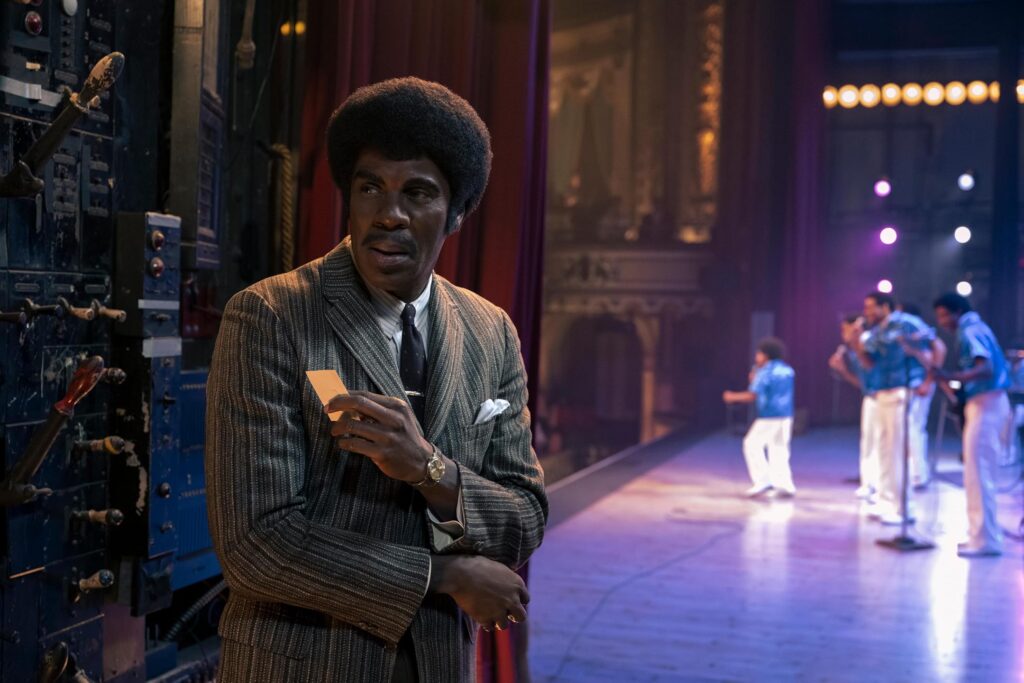
The film stars Jaafar Jackson, the real-life nephew of Michael Jackson, in the lead role — a casting choice that generated enormous attention and proved to be one of the film’s greatest assets. Directed by Fuqua, whose previous work includes Training Day and The Equalizer series, the movie follows Jackson’s life from his early days performing with the Jackson 5 all the way through his 1988 Bad World Tour. The film deliberately ends before the period in which Jackson became embroiled in public controversy, a creative decision that was made early in production and allowed it to focus on the music and the artistry.
The ensemble cast includes Colman Domingo as patriarch Joseph Jackson, Nia Long as Katherine Jackson, Miles Teller as attorney John Branca, and Laura Harrier as Suzanne de Passe. Audiences responded with overwhelming enthusiasm: the film landed a 97% audience score on Rotten Tomatoes and PostTrak exit scores consistently in the low 90s — numbers that indicate exceptional word of mouth.
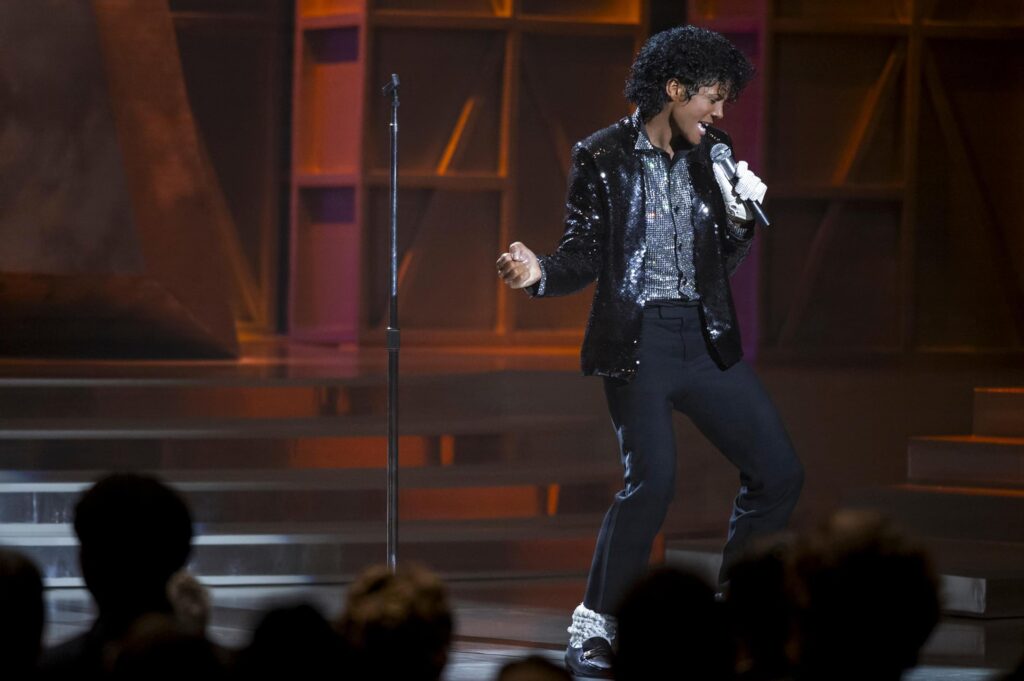
Critics were somewhat cooler. The film’s Rotten Tomatoes critics score hovered in the high 30s to low 40s on opening day, rising gradually over the weekend. But in a pattern Hollywood has seen before with event-style biopics — Bohemian Rhapsody and Elvis both faced similar critical skepticism while winning over general audiences — none of that mattered at the ticket counter. People came out in force.
The demographic breakdown is notable: Black moviegoers led at 38% of the audience, followed by Latino/Hispanic viewers at 26% and white audiences at 24%. Remarkably for a film of this scale, the turnout crossed all age groups — viewers over 55, typically the most difficult demographic to pull into opening-weekend crowds, made up a meaningful percentage of ticket buyers, while Gen Z and younger millennials showed up in strong numbers as well.
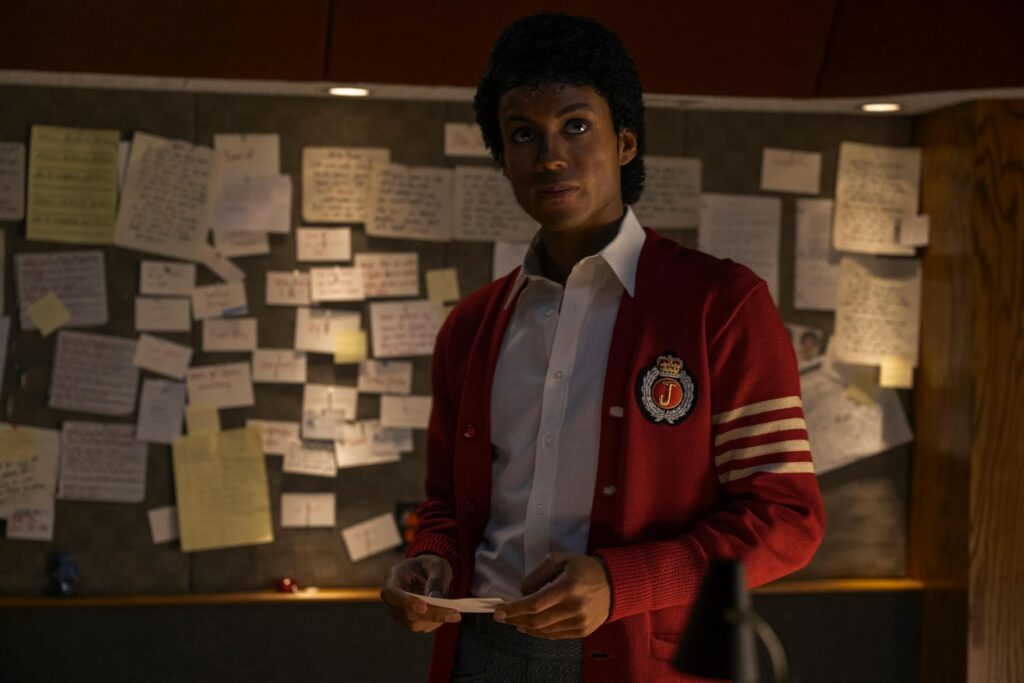
On the premium format side, IMAX contributed $13.8 million domestically and $24.5 million globally — the biggest IMAX debut for a music biopic ever. The electrifying concert sequences — including reconstructions of “Thriller,” “Billie Jean,” and “Beat It” — were engineered for large-format viewing, and audiences clearly agreed.
The rest of the top ten told its own story. The Super Mario Galaxy Movie, which had held the number one spot for three straight weekends, slipped to second with another solid $21.2 million, bringing its domestic total to $386 million. The film is chasing a billion dollars globally and may just get there. Project Hail Mary, the Ryan Gosling space epic that has become the quiet sleeper hit of the year, pulled another $13.2 million in its sixth weekend — an extraordinary hold that has brought its total past $305 million.
Overall, the April 24–26 weekend generated an estimated $154 million across all films, up roughly 5% from the same frame a year ago. The 2026 box office for the year now stands at $2.6 billion, running 17% ahead of the same period in 2025. Michael is almost entirely responsible for that positive comparison holding up.
Also Read: Jackass – They’re Back and Probably Bleeding