
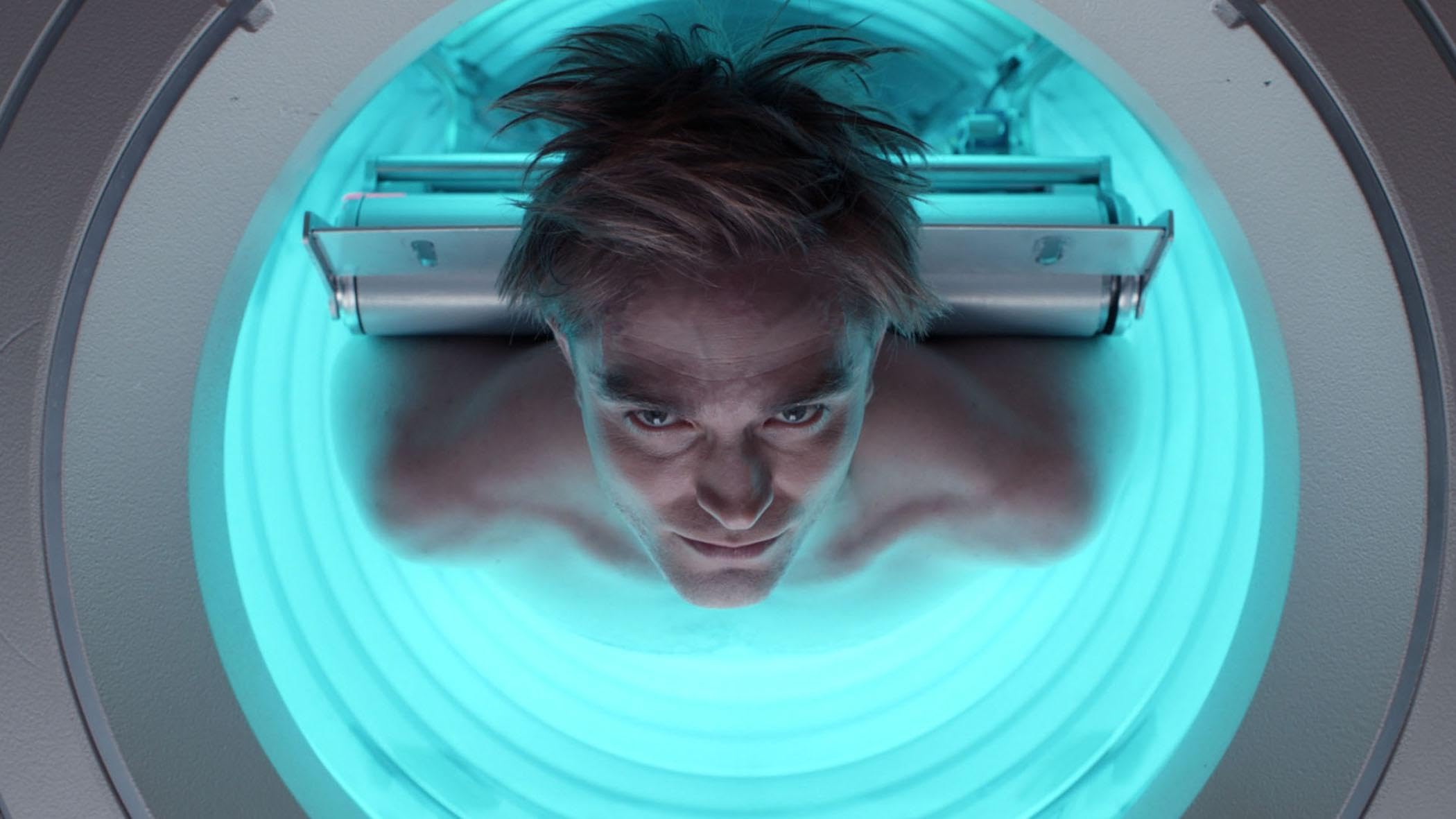
The math doesn’t work. Mickey 17—Bong Joon-ho’s follow-up to Parasite ($263 million, Best Picture 2020)—cost $150 million and earned $370 million worldwide. For most films, that’s success. For Bong, with Pattinson’s $20 million salary and Warner Bros.’ marketing spend ($80 million), it’s catastrophe. The ” Expendable” clone comedy died in theaters, killed by release date musical chairs and audience confusion.
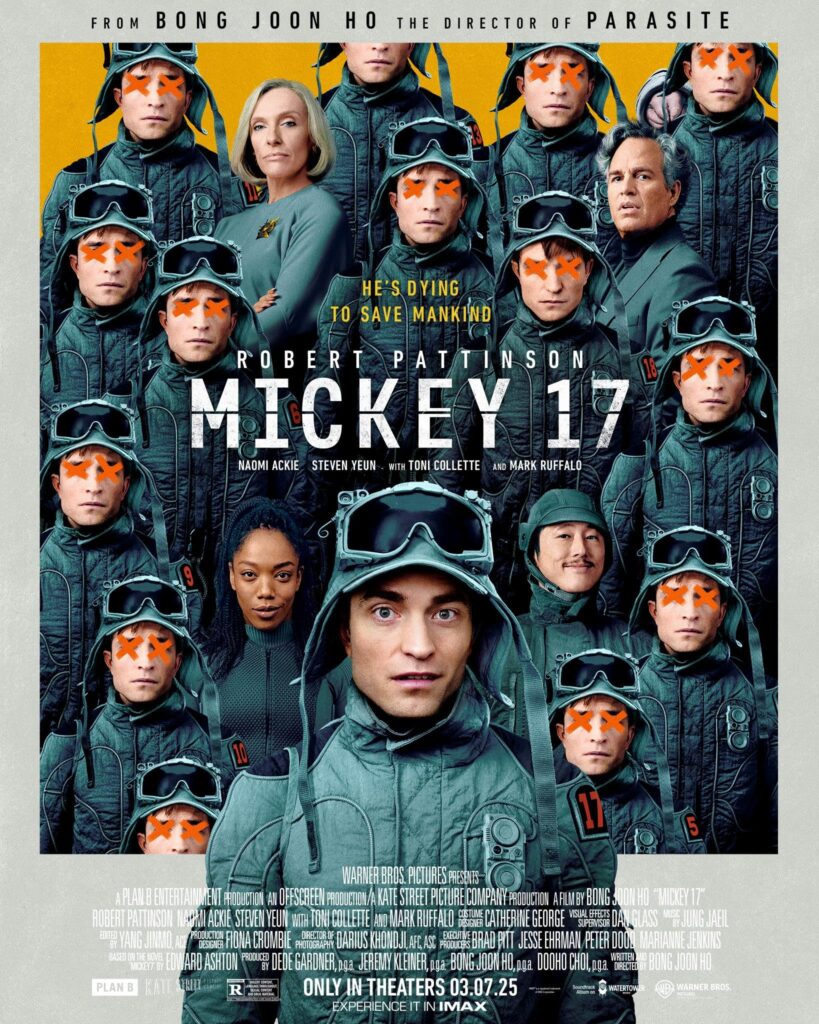
Death as Punchline
Pattinson plays Mickey Barnes, an “Expendable”—colonists sent to ice planet Niflheim with suicide missions, then regenerated via 3D printing. Each death creates new Mickey with previous memories. When Mickey 17 survives, he meets Mickey 18: same man, different trauma, competing for existence.
Bong adapted Edward Ashton’s novel Mickey7, expanding the clone count and adding political satire. The result: 137 minutes of body horror comedy where Pattinson dies 17 times, each death played for laughs until the final one breaks your heart.
The Release Date Disaster
Warner Bros. originally scheduled Mickey 17 for March 29, 2024. Then January 31, 2025. Finally March 7, 2025—three delays across two years. Each shift eroded audience awareness; by final release, the film felt like “that movie that kept moving.”
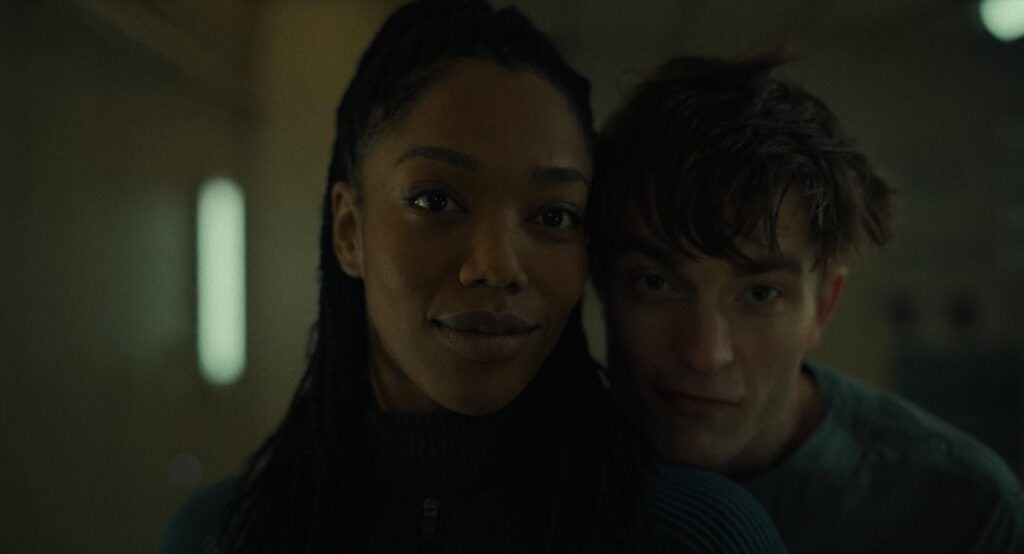
The March 7 slot pitted Mickey 17 against Novocaine ($15 million opener) and The Woman in the Yard (Blumhouse horror). Neither posed threat, but neither provided coattails. Bong’s film needed Dune: Part Two or Oppenheimer level event status. It received confused indifference.
Double Trouble
Pattinson plays Mickey 17 (cowardly, sarcastic) and 18 (violent, primal) simultaneously, often in split-screen. The technical achievement—motion control cameras, Pattinson acting against stand-ins, voice modulation distinguishing clones—deserved recognition. Critics awarded it; audiences ignored it.
The problem: marketing sold “Robert Pattinson dies repeatedly” rather than “Bong Joon-ho’s class satire in space.” Teaser trailers emphasized slapstick (Mickey falling into ice crevasse, Mickey eaten by alien “Creepers”). The actual film contains 40 minutes of corporate exploitation commentary that trailers hid.
Subtitle Required?
Parasite‘s success ($263 million, subtitled Korean) convinced studios Bong was universally accessible. Mickey 17 proved otherwise. The film’s dense worldbuilding—corporate theology, clone rights philosophy, alien ecosystem biology—requires attention multiplex audiences reserve for Marvel connectivity.
Bong refused simplification. The third act involves parliamentary procedure on a spaceship. The climax is a debate about personhood. Brilliant cinema, terrible logline.
Where Money Went
$150 million production + $80 million marketing = $230 million total cost. Theatrical revenue ($370 million gross) returns approximately $185 million to studio (50% domestic, 40% international). Mickey 17 lost $45 million theatrical, requiring streaming/home media to break even.
Warner Bros. Discovery’s stock dropped 4% post-opening, though CEO David Zaslav blamed “market conditions” rather than film quality. The real damage: Bong Joon-ho’s next project—The Valley (animated feature)—lost financing partners who feared repeat performance.
Bong’s Blade Runner?
Mickey 17 will find audience. Blade Runner (1982) flopped. The Thing (1982) flopped. Fight Club (1999) flopped. All became classics through home viewing, where pause buttons allow digestion of dense plotting.
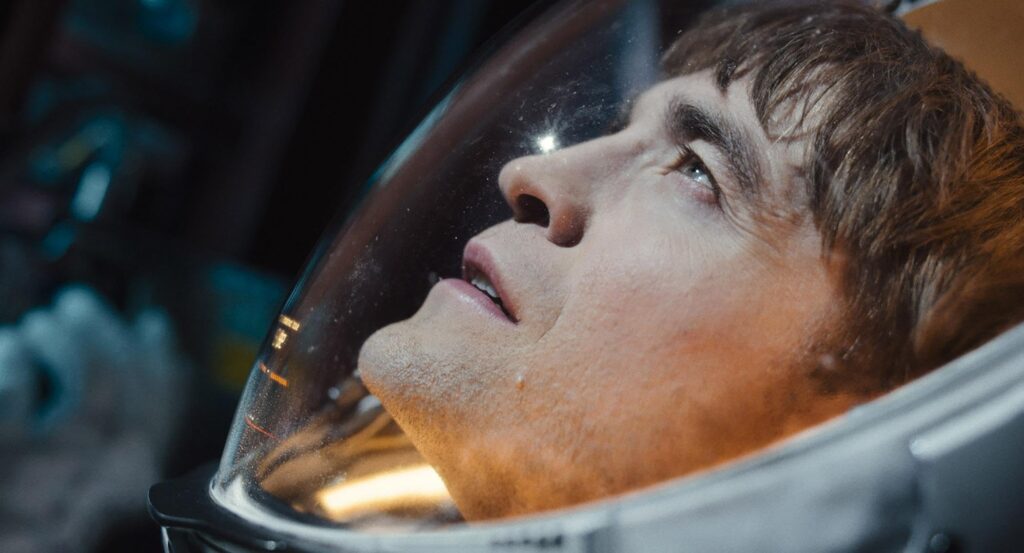
HBO Max streaming numbers (unreleased but reportedly “strong”) suggest Mickey 17 works better on couches than in theaters. Pattinson’s dual performance rewards rewinding; Bong’s visual gags (background clone storage, corporate logos on corpses) demand freeze-framing.
For 2026’s box office analysis, Mickey 17 represents warning: auteur directors need protection from studio marketing departments, and $150 million original sci-fi requires either James Cameron technology or Marvel brand recognition. Bong had neither. He had vision. In 2026, that wasn’t enough.
Also Read: Sinners $300M: Ryan Coogler’s Vampire Western Shocks Hollywood