
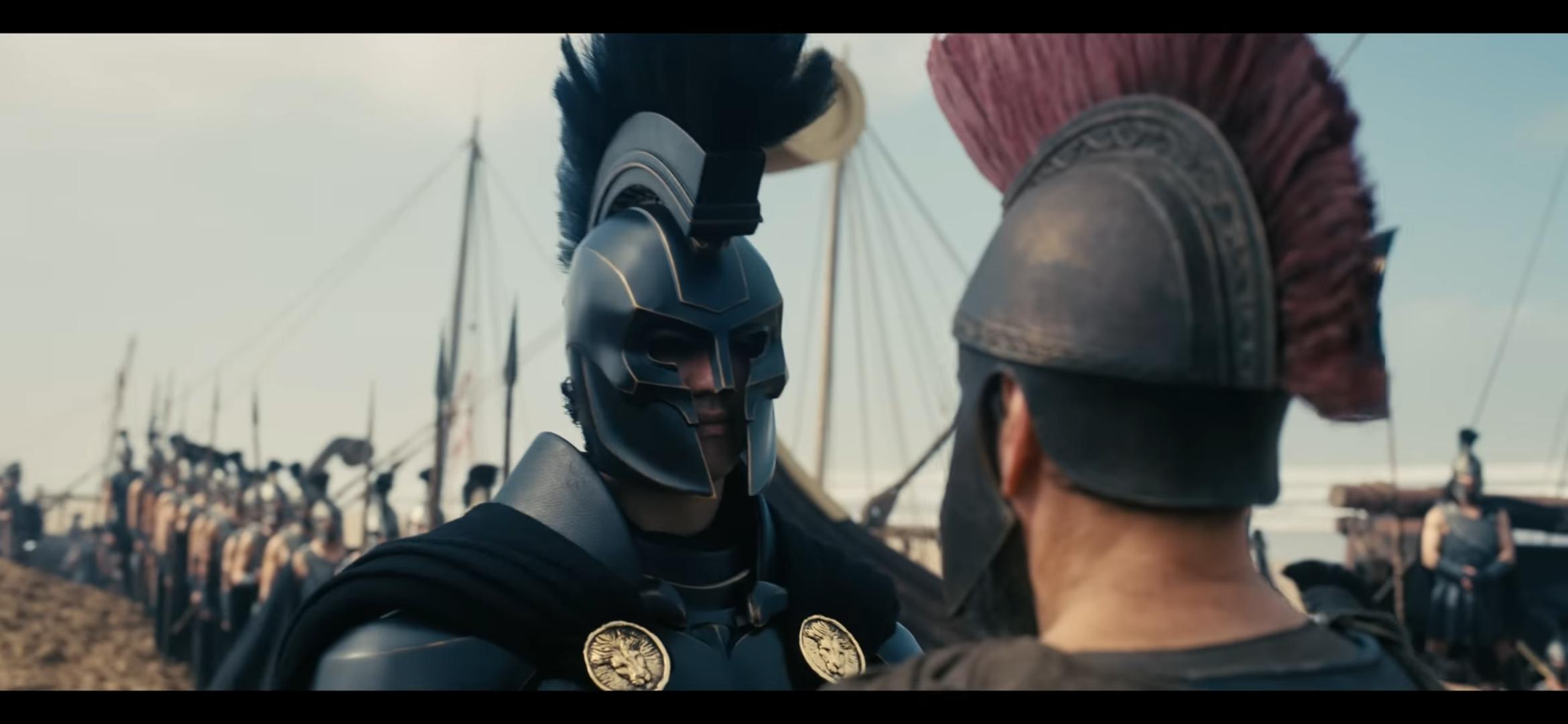
Christopher Nolan banned orchestras from The Odyssey score, so Ludwig Göransson bought 35 bronze gongs instead. Here’s how they’re reinventing epic music.
The Odyssey score is about to sound like nothing you’ve ever heard in a sword-and-sandal epic, and that’s entirely by design. Christopher Nolan, fresh off his Oppenheimer Oscar sweep, looked at two millennia of cinematic tradition and said “nah” to the one thing every ancient Greece movie has in common: a sweeping orchestral soundtrack.
Instead, Nolan instructed composer Ludwig Göransson to avoid the orchestra entirely. His reasoning was disarmingly simple: “It’s not like the orchestra existed back then.” This is the same man who made a biopic about a theoretical physicist into a billion-dollar blockbuster, so when he says ancient Greece didn’t have violins, you kind of have to trust his research.
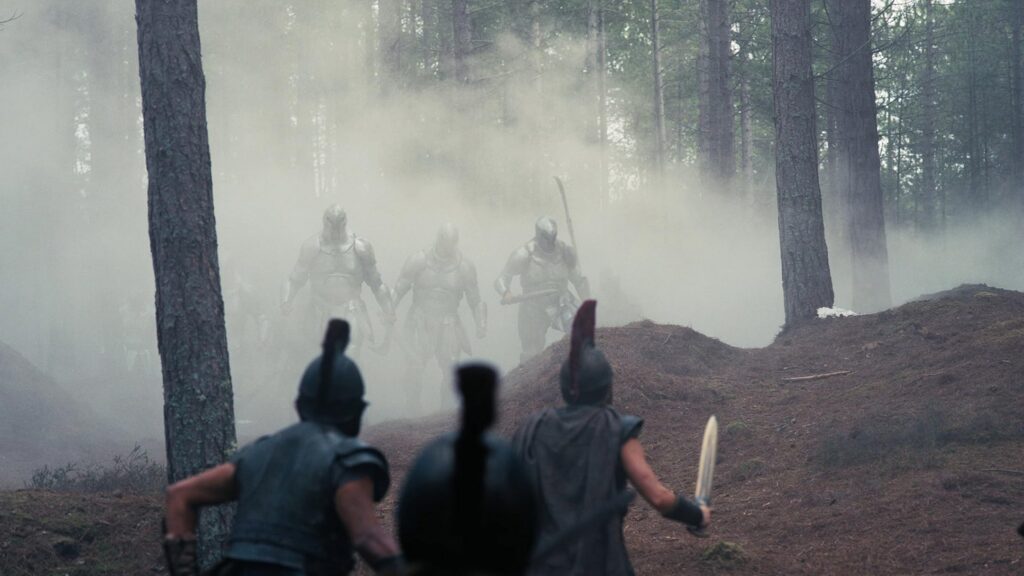
Göransson’s solution was to buy 35 bronze gongs of varying sizes—period-appropriate instruments that could have actually existed in Odysseus’s world—and layer them with synthesizers. The result is a sonic landscape that feels ancient and alien simultaneously, like someone transported a modular synth back to the Bronze Age and let it jam with actual bronze. Nolan also suggested using the sound of the lyre for when Odysseus plucks his bow, which is the kind of specific detail that separates filmmakers who do homework from those who just hire Hans Zimmer and call it a day.
The Odyssey marks Göransson’s third collaboration with Nolan after Tenet and Oppenheimer, which means he’s already proven he can handle time manipulation and nuclear physics. Ancient Greek mythology is the logical next step. The composer also traveled to all the filming locations to study indigenous music traditions, because apparently Göransson’s idea of research involves more passport stamps than most people accumulate in a lifetime.
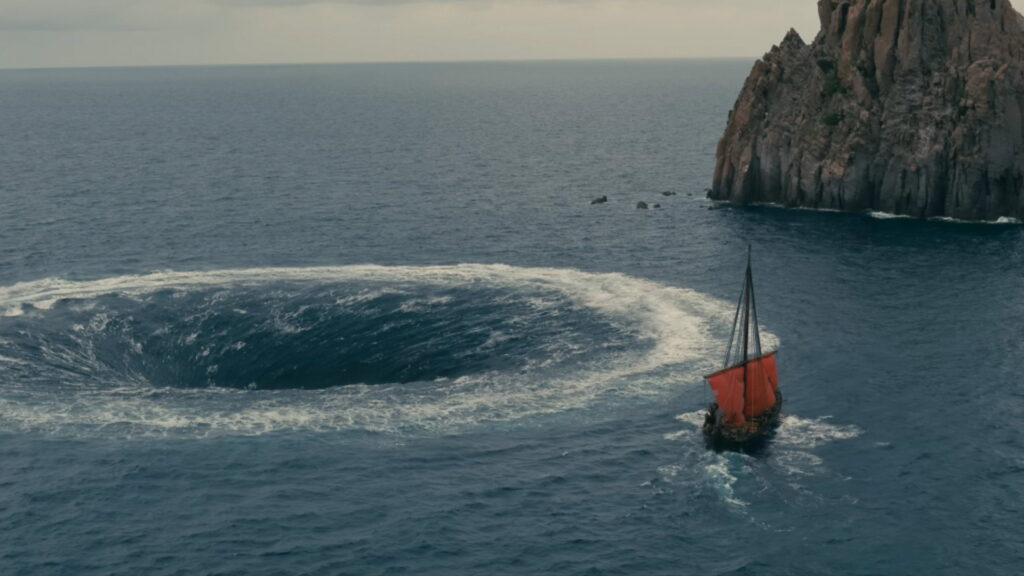
Why The Odyssey Score Matters for the Future of Blockbuster Music
The Odyssey score represents a genuine risk for a $250 million tentpole. Audiences expect John Williams grandeur when they see Matt Damon in a toga fighting cyclopes. They expect brass and strings and choirs singing in Latin-adjacent gibberish. What they’re getting instead is a percussion-forward, synth-enhanced soundscape that might alienate traditionalists. But Nolan has never cared about traditionalists. This is the man who made a war movie where the explosions happen in reverse chronological order.
Matt Damon, returning for his third Nolan collaboration after Interstellar and Oppenheimer, has called The Odyssey “the pinnacle of my entire career” and “an ambitious project” where “every single person had to work to give maximum effort.” The cast includes Tom Holland, Anne Hathaway, Zendaya, Robert Pattinson, Lupita Nyong’o, and Charlize Theron, which means the music needs to support performances from some of the most recognizable faces on the planet without overwhelming them.
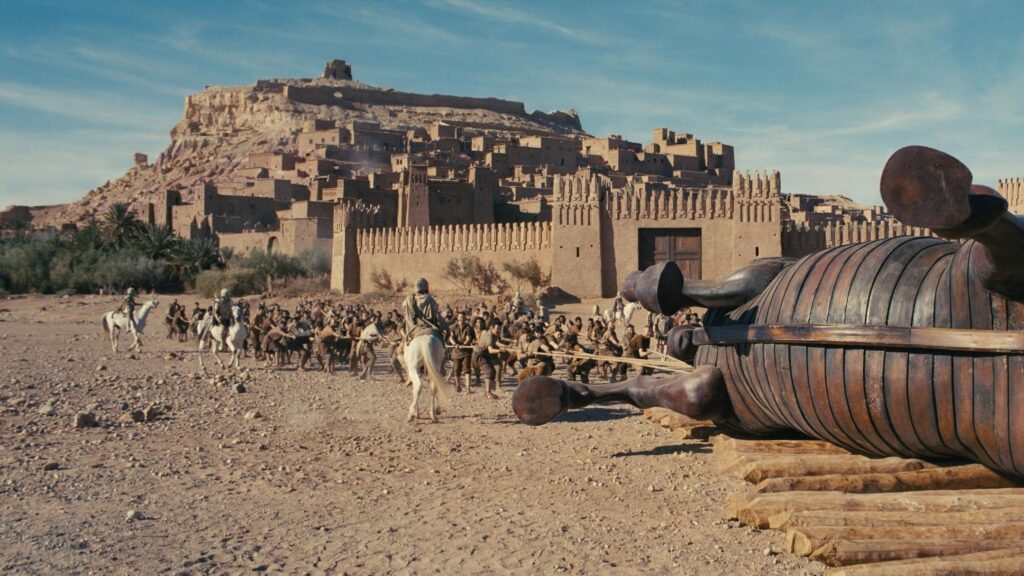
The first round of IMAX tickets sold out within an hour of going on sale, months before anyone saw a frame of footage. When the teaser finally dropped, it featured war horns, a full chorus, and those pounding synthesizers that Göransson has become famous for. The trailer accumulated 121.4 million global views in 24 hours, making it the eighth most-viewed trailer of 2025. People are hungry for this film, and they’re hungry specifically because Nolan refuses to give them the expected version of it.
The Odyssey score will either revolutionize how we think about epic film music or become a cautionary tale about auteur hubris. Given Nolan’s track record, smart money is on revolution. July 17, 2026 cannot arrive fast enough.
Experience The Odyssey score in IMAX starting July 17, 2026, and hear what happens when a two-time Oscar winner throws out the orchestra.
Also Read: Brad Pitt’s Heart of the Beast Pairs Him With a Very Good Dog